

As one of the most successful clubs in the National Rugby League, the Sydney Roosters have set a standard of excellence that few can match. Yet even the most successful teams fall into tactical traps—patterns that, if left unchecked, can derail a season. Whether you're a coach analysing match footage, a player refining your game, or a fan trying to understand why a promising attack stalled, recognising these errors is the first step toward correcting them.
This guide identifies frequent tactical mistakes that can occur in rugby league, using the Roosters as a case study, and provides practical, step-by-step solutions. These are real problems drawn from observing the game, and the fixes are grounded in sound tactical principles.
Problem 1: Over-reliance on the Left Edge Attack
Symptoms: The attacking structure becomes predictable, with the majority of plays directed toward the left side of the field. Defences slide early, compress the space, and shut down the play before it develops. Key ball-players become isolated, and the right edge sees minimal involvement.
Causes: This often stems from a natural imbalance in player strengths. When one edge has a combination of speed, footwork, and creative passing, coaches and players gravitate toward what works. Over time, this becomes a habit rather than a strategic choice. Opposing teams study this pattern and design their defensive structures to counter it.
Solution:
- Conduct a play-distribution audit. Review game footage and tally the number of attacking plays directed to each third of the field. Aim for a 40-20-40 split between left, middle, and right.
- Implement a "right-edge first" drill in training. Dedicate the opening 15 minutes of every session to plays designed exclusively for the right edge. This forces players to develop chemistry and confidence on that side.
- Use decoy runners from the left edge. Even when the primary play is on the right, have the left-edge players run hard lines to hold the defence's attention. This creates genuine uncertainty for defenders.
- Designate a secondary playmaker on the right. If the right edge lacks a natural organiser, consider rotating a ball-playing forward or a fullback into that position during structured sets.
Problem 2: Slow Play-the-Ball Speed in the Red Zone
Symptoms: When the team reaches the opposition's 20-metre zone, the ruck speed drops noticeably. Defenders have time to reset their line, and the attacking structure loses its momentum. The result is often a rushed kick or a forced pass that turns over possession.
Causes: Fatigue is the primary culprit. The effort required to get into attacking position, combined with the physical toll of repeated collisions, slows down the play-the-ball. Additionally, forwards may be too focused on post-contact metres rather than quick separation from the tackle.
Solution:
- Introduce "quick-rise" conditioning sessions. In training, run repeated sets of attacking plays from the 20-metre line with a strict 5-second play-the-ball target. Use a stopwatch and hold players accountable.
- Coach the "two-man lift" technique. When a ball-runner is tackled near the try line, the first arriving support player should lift the tackled player's legs to help them regain their feet faster, while the second support player clears the defender.
- Rotate forwards earlier in attacking sets. Rather than waiting until the set is established, bring fresh forwards onto the field specifically for the third and fourth tackles in the red zone. This ensures maximum speed when it matters most.
- Practice kick-pressure scenarios. Even when the play-the-ball is slow, the team should have a structured kick option ready. Drills that simulate a slow ruck followed by an immediate kick under pressure build composure.
Problem 3: Defensive Line Bending in the Middle Third
Symptoms: Opposing teams consistently gain post-contact metres through the middle of the field. The defensive line retreats, allowing the attack to march downfield in quick succession. This places enormous pressure on the outside backs, who are forced into one-on-one tackles.
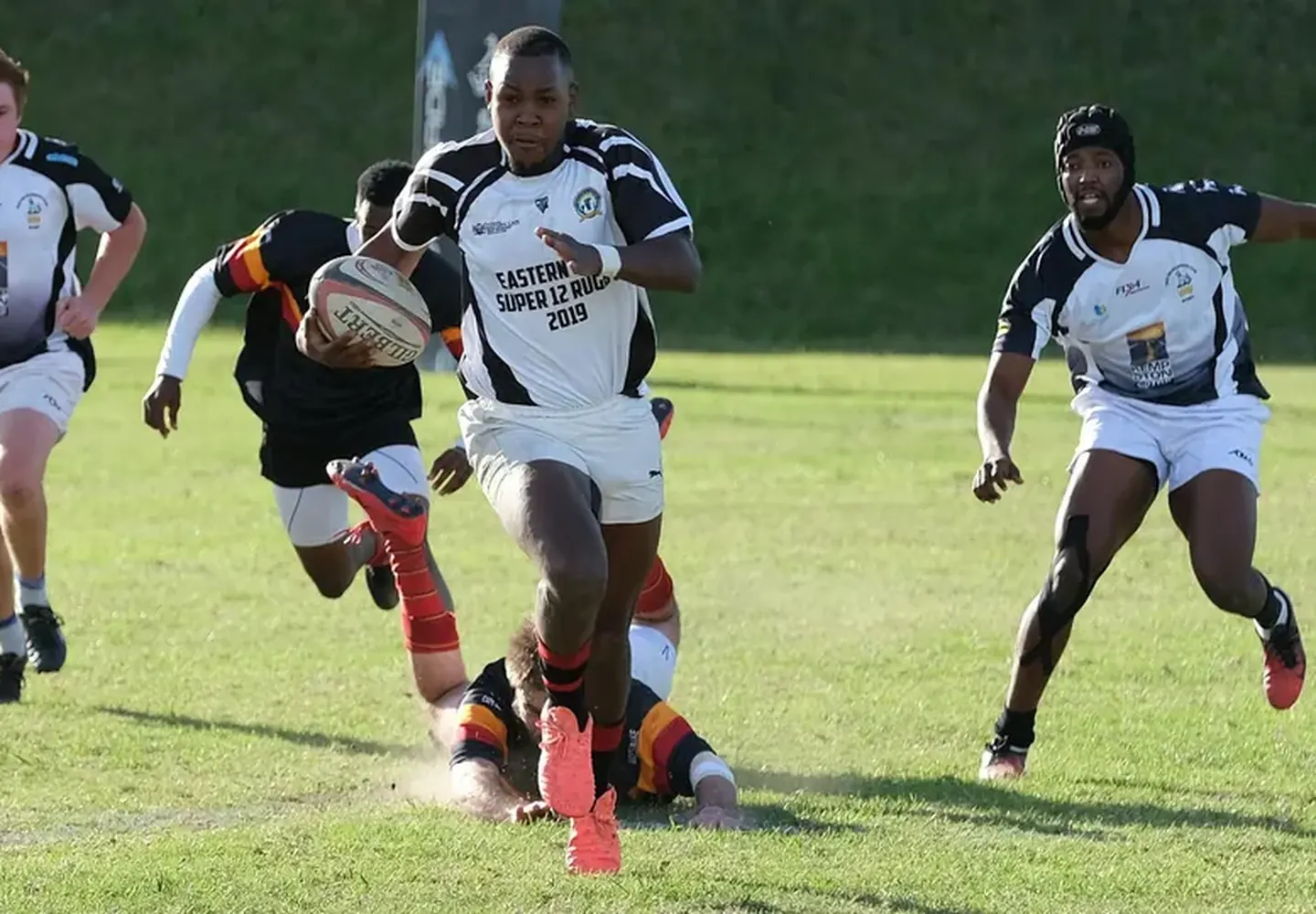
Causes: This often results from poor lateral movement from the middle defenders. When the initial tackle is made too high or too upright, the ball-runner can drive forward. It can also stem from fatigue, where forwards lack the leg drive to hold their ground.
Solution:
- Emphasise "legs-first" contact in defensive drills. Players should aim to make contact at the thighs or knees, not the chest. This stops forward momentum immediately and forces the ball-runner to the ground.
- Introduce the "two-in-one" tackle principle. The first defender aims low and wraps the legs, while the second defender hits high and drives sideways. This prevents the offload and stops forward progress.
- Use video review to identify "bending" moments. Look for patterns where the defensive line loses its shape—typically in the second half of each half. These are the moments to substitute middle defenders.
- Build a rotation plan for the middle three. Coaches should have a clear schedule for when props and locks are replaced. Fresh legs in the middle third are non-negotiable for maintaining line integrity.
Problem 4: Poor Kick-Off Receipt Organisation
Symptoms: After scoring a try, the team struggles to secure the kick-off. Opposition teams exploit this by kicking short, deep, or to the edges, forcing errors or giving away penalties. This hands momentum back to the opposition immediately after a scoring play.
Causes: The structure is often too rigid. Players are assigned fixed positions, and when the kick varies, they lack the flexibility to adapt. Communication breaks down, and multiple players go for the same ball or no one commits.
Solution:
- Establish a "caller" system. Designate one player—typically a fullback or a senior forward—as the sole decision-maker for kick-off receipts. All other players look to them for direction.
- Practice three kick-off scenarios in training:
- Short kick: The caller signals for the front line to charge, while two designated catchers position themselves 15 metres back.
- Deep kick: The fullback takes a central position, with wingers on each sideline and a "sweeper" behind.
- Bomb kick: All players fan out to cover the landing zone, with the caller shouting "mine" or "yours" clearly.
- Run a "post-try" reset drill. After every try in training, immediately simulate a kick-off. This conditions players to shift from celebration to concentration.
- Review opposition kick-off tendencies. Before each match, the coaching staff should present a 2-minute video of the opposing team's kick-off patterns. Players then rehearse the appropriate response.
Problem 5: Ineffective Use of the Bench
Symptoms: The interchange players struggle to make an impact. Momentum drops when key starters leave the field, and the bench players fail to maintain the same intensity or tactical structure. This often leads to a "flat patch" midway through each half.
Causes: This can result from poor timing of interchanges, mismatched player roles, or a lack of clear instructions for bench players. Sometimes, the bench is selected for versatility but used without a specific plan.
Solution:
- Define "impact windows" for each bench player. Before the game, assign each interchange player a specific 10-15 minute period where they are expected to make a measurable impact—whether through tackle count, run metres, or line breaks.
- Use the "rolling interchange" model. Rather than replacing a whole unit, swap one forward at a time to maintain continuity. This keeps the structure intact while injecting fresh legs.
- Provide a "bench briefing" before the match. Each bench player should receive a one-page summary of their role, the opposition's weaknesses they should target, and the triggers for when they will be used.
- Track interchange effectiveness in real time. The coaching staff should have a simple chart on the sideline that tracks whether the team's performance metrics improve or decline after each interchange.
Problem 6: Overcomplicating Attack in Wet Conditions
Symptoms: In poor weather, the team continues to attempt elaborate backline movements, offloads, and wide passes. The result is dropped balls, forward passes, and turnovers. The team fails to adapt to the conditions, while the opposition plays a simpler, more direct game.
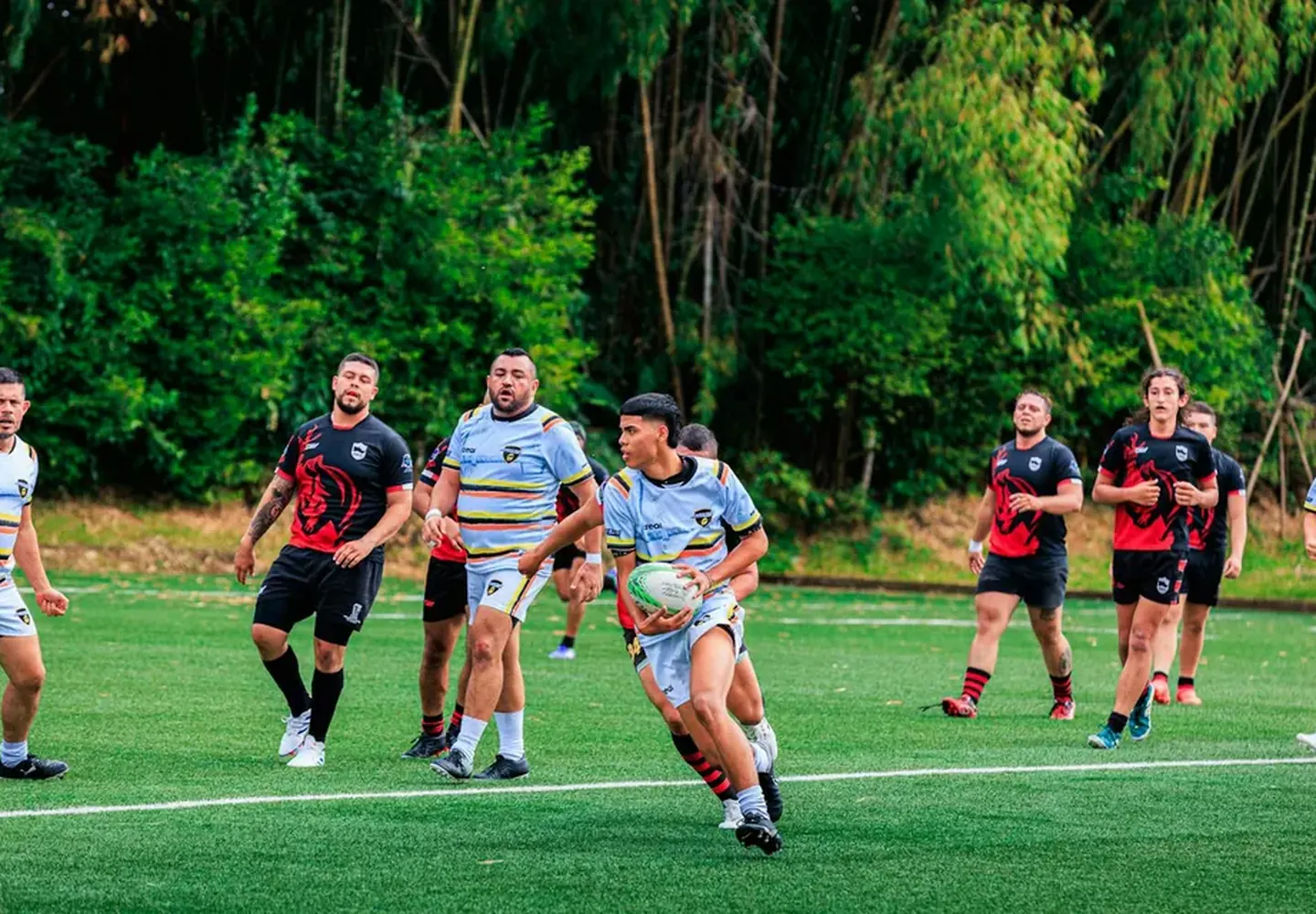
Causes: This is often a mindset issue. Players and coaches want to maintain their attacking identity regardless of conditions. There's also a reluctance to abandon structures that have been drilled all week.
Solution:
- Create a "wet weather" playbook. Develop a separate set of attacking structures for rain or slippery surfaces. These should prioritise:
- One-out runs from forwards
- Short passes (less than 5 metres)
- Kicks that target the corners rather than contestable bombs
- Fewer offloads
- Practice exclusively in wet conditions. If the forecast predicts rain, hold the captain's run at a venue with sprinklers or on a wet surface. Players need to feel the ball and the footing before game day.
- Set a "drop count" target. Challenge the team to keep errors below a certain number in wet-weather games. Reward the team with a lighter session if they achieve it.
- Appoint a "weather captain." Before the game, designate a senior player to make real-time decisions about when to simplify the attack. This takes the pressure off the halfback and allows them to focus on execution.
Problem 7: Inconsistent Line Speed in Defence
Symptoms: The defensive line varies in speed between sets. Some tackles see the line rush up aggressively, while others see it hesitate or retreat. This inconsistency allows opposing playmakers to dictate the tempo.
Causes: This often comes from a lack of clear communication about when to rush and when to hold. It can also stem from individual players who are unsure of their positioning or who are fatigued.
Solution:
- Introduce a "line-speed trigger." Designate a single word or phrase that the defensive leader (usually the lock or halfback) calls to signal a rush. All players must respond simultaneously.
- Run line-speed drills with random triggers. In training, the coach calls the trigger at unpredictable moments. This trains players to react instantly rather than anticipate.
- Use GPS data to monitor individual line speed. Track each player's average speed during defensive sets. Share this data with players to highlight who is consistently fast and who is lagging.
- Practice "holding the line" in goal-line defence. When the opposition is close to the try line, the team should practice compressing and holding rather than rushing. This prevents gaps from opening.
Prevention Tips
- Review match footage weekly as a team. Set aside 30 minutes after each game to watch three key moments: a successful defensive set, a failed attacking set, and a momentum swing. Discuss what worked and what didn't.
- Build a "tactical error" checklist. Before each game, the coaching staff should review the previous match's errors and identify one or two that must be avoided in the upcoming fixture.
- Rotate training partners. Players can become too comfortable with the same teammates. Regularly mixing up combinations in training prevents predictability and builds adaptability.
- Conduct a mid-season tactical audit. At the halfway point of the season, review all seven of these problem areas. Identify which have improved and which require renewed focus.
When to Seek Professional Guidance
While this guide provides practical solutions, some tactical issues require deeper intervention:
- If multiple problems persist across several games, consider bringing in an external analyst to review the team's structures with fresh eyes. Sometimes internal habits are invisible to those within the system.
- If the issue involves player morale or buy-in, involve a sports psychologist or leadership coach. Tactical errors often stem from mental fatigue or lack of confidence.
- If the problems are injury-related, consult with the medical and strength-and-conditioning team. Some tactical breakdowns are symptoms of physical limitations rather than technical flaws.
- If the team is in a losing streak, resist the urge to overhaul everything. Focus on fixing one or two problems at a time. Overcorrection creates confusion and compounds errors.
The Sydney Roosters have a strong tradition of tactical excellence, but even the best teams need to diagnose and correct their errors. By addressing these seven common problems with the solutions outlined above, players, coaches, and fans can work together to keep the team performing at its best.
For more insights into rugby league structure and personnel, explore our guides on the NRL club captains list and the Sydney Roosters coaching staff. And for broader league analysis, visit our leagues and clubs hub.
Reader Comments (0)