


Whether you're a fresh-faced footy fan trying to figure out what the halfback actually does, a parent watching your kid's first season, or a grassroots coach looking to explain positions to your under-12s, you've come to the right place. Rugby league can look like organised chaos if you don't know who's who out there. But once you understand the 13 positions and what each player's job is, the game opens up like a well-timed pass.
By the end of this checklist, you'll be able to name every position on the field, explain their primary roles, and spot when someone's doing their job properly—or not. We'll keep it practical, because nobody's got time for theory that doesn't help you enjoy the footy more.
Let's get into it.
What You'll Need
Before we dive into the positions, here's what'll make this checklist work for you:
- A basic understanding that rugby league has 13 players per side on the field (plus four on the bench)
- Access to a match—live at a stadium, on TV, or even a replay on YouTube—to watch along
- A pen and paper if you're old school, or a notes app if you're not
- About 20 minutes to read through and then watch a set of six tackles with fresh eyes
Step 1: Know Your Spine – The Fullback (Number 1)
The fullback is your last line of defence and your first option in attack. Think of them as the sweeper, the safety net, and the counter-attack starter all rolled into one.
What they do:
- Catch kicks and return them with interest
- Cover behind the defensive line for any breaks
- Join the attacking line as an extra runner
- Organise the defensive line from the back
Common mistake: Fullbacks who rush up out of the line and leave a gap behind them. The best ones know when to hold their position.
Step 2: The Wingers – Numbers 2 and 5
Wingers live on the edges. They're your finishers—the ones who get the ball in space and have the speed to go the distance. But they're also expected to do plenty of grunt work.
What they do:
- Finish tries out wide
- Take hit-ups coming out of your own end
- Defend their sideline one-on-one
- Chase and catch attacking kicks
Pro tip: If you're coaching juniors, don't just stick your fastest kid on the wing. Teach them how to position themselves for kicks and how to defuse a bomb under pressure. That's where games are won and lost.
Step 3: The Centres – Numbers 3 and 4
Centres are hybrids. They need the footwork of a half and the power of a forward. They're the link between the spine players and the wingers.
What they do:
- Run hard lines off the five-eighth or halfback
- Defend in the front line against opposition centres
- Pass to put their winger into space
- Kick if the halves are under pressure
Common mistake: Centres who crab sideways looking for space. That just compresses the defence and kills the momentum.
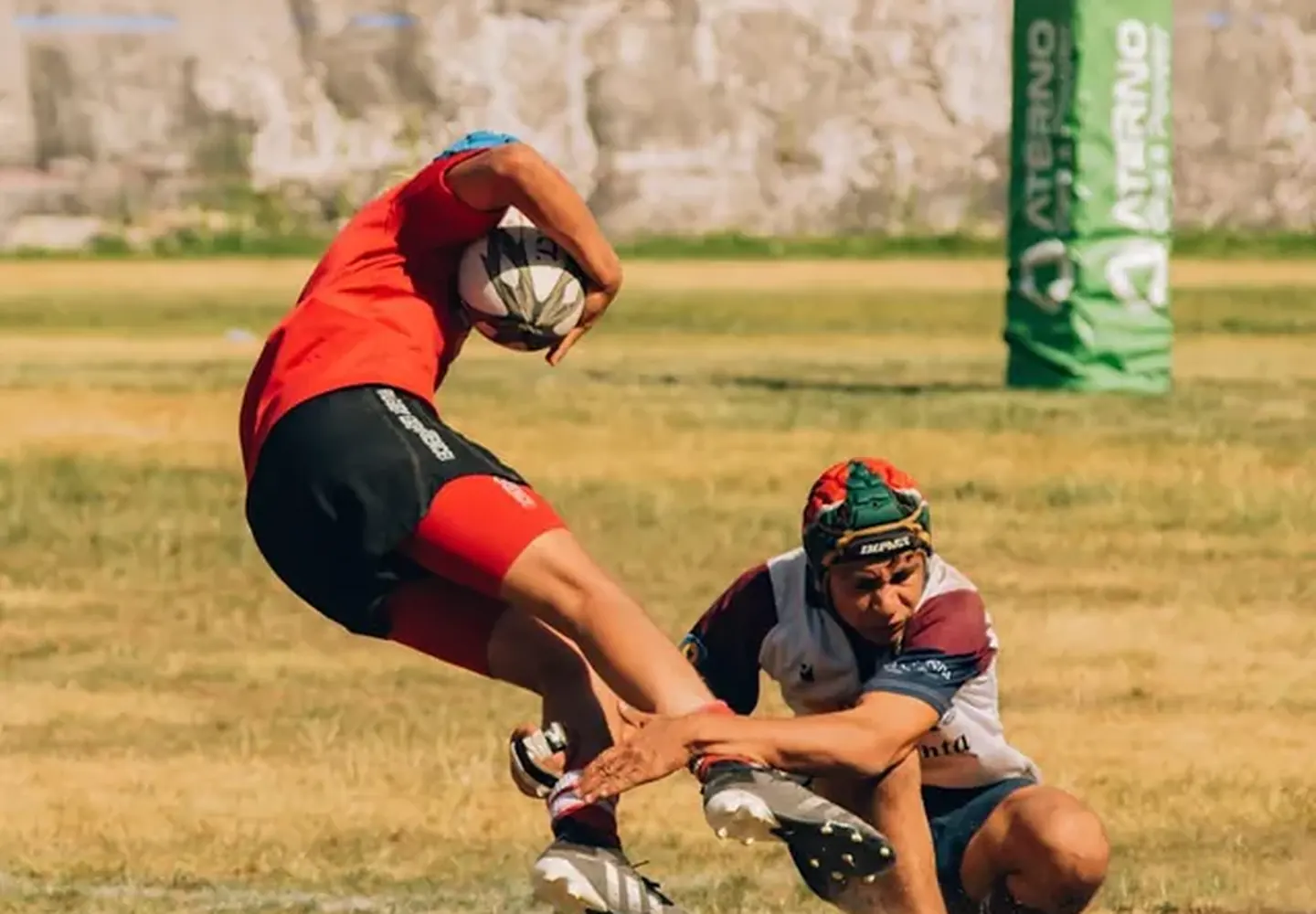
Step 4: The Halves – Halfback (Number 7) and Five-Eighth (Number 6)
These two are the brains of the operation. The halfback is traditionally the main playmaker and kicker, while the five-eighth is the second receiver who can run or pass. But in the modern game, those lines are blurred.
Halfback duties:
- Direct the team around the park
- Kick for territory, goals, and attacking opportunities
- Organise the defensive line
- Run the ball when the defence isn't expecting it
- Support the halfback in playmaking
- Run at the line to create doubt
- Provide a kicking option
- Defend in the front line
Pro tip: If you're a young half, learn to kick with both feet. Defences will line you up if they know you can only go one way.
Step 5: The Hooker (Number 9)
The hooker is the link between the forwards and the backs. They're the first receiver from every play-the-ball. In defence, they're in the middle of everything.
What they do:
- Pass from dummy half to start each set
- Run from dummy half if the defence is asleep
- Tackle, tackle, tackle (they're usually the top tacklers)
- Organise the ruck speed
Common mistake: Hookers who play too slow. The best ones get the ball out of the ruck in a split second, giving their forwards time to wind up.
Step 6: The Props – Front Row Forwards (Numbers 8 and 10)
Props are the engine room. They do the dirty work—taking hit-ups, making tackles, and creating the platform for everyone else. They're not always pretty, but they're essential.
What they do:
- Run hard and straight into the defensive line
- Make plenty of tackles in the middle
- Support the hooker at the ruck
- Lead the team's go-forward
Pro tip: If you're coaching juniors, teach your young props to run with their knees up and their body low. That's where leg drive comes from.
Step 7: The Second Rowers (Numbers 11 and 12)
Second rowers are the modern athletes. They need to be big enough to handle the middle but mobile enough to play on the edge. They run wide lines and defend in the front line.
What they do:
- Run angled lines off the halves
- Defend on the edge, often against centres or wingers
- Provide a passing option out wide
- Take hit-ups when the props need a breather
Common mistake: Second rowers who get caught too narrow in defence. They need to trust their inside men and hold their edge.

Step 8: The Lock (Number 13)
The lock is the third middle forward, but with more ball-playing responsibility. In attack, they often act as an extra half. In defence, they're a tackling machine.
What they do:
- Run hard in the middle
- Ball-play like a half in broken play
- Tackle everything that moves
- Support the halves in attack
Common mistake: Locks who try to do too much. Sometimes the best play is a simple hit-up to get your team on the front foot.
Step 9: The Bench – Interchange Players (Numbers 14-17)
The bench isn't just for resting players. It's a tactical weapon. Coaches use the bench to change the pace of the game, cover injuries, and exploit mismatches.
What they do:
- Come on fresh and maintain intensity
- Cover specific roles (utility, impact forward, specialist)
- Provide a different style of play
- Give starters a breather
Pro tip: If you're coaching, don't just rotate your bench on a set timer. Watch the game and bring players on when the opposition is tired or when you need a spark.
Common Mistakes to Avoid
Even seasoned fans get these wrong sometimes. Here's what to watch out for:
- Confusing the halfback and five-eighth. The halfback is usually the primary kicker and organiser. The five-eighth is the second receiver who runs more.
- Thinking wingers only score tries. Modern wingers do plenty of work coming out of their own end. If your winger is only getting the ball in the attacking zone, they're not doing their job.
- Forgetting the hooker's defensive role. The hooker often makes the most tackles on the field. Don't just watch their passing—watch how they defend the ruck.
- Ignoring the lock's ball-playing. A lock who can't pass is a liability in the modern game. They need to be able to shift the ball wide.
- Treating the bench as just backup. The bench is a tactical tool. Use it wisely.
Pro Tips for Understanding Positions Better
- Watch a game with a specific position in mind. Pick one player and follow them for 10 minutes. Don't watch the ball—watch them.
- Learn the numbers. In rugby league, the jersey number usually tells you the position. 1 is fullback, 7 is halfback, 9 is hooker, etc.
- Look for patterns. Good players repeat the same actions. Bad players are inconsistent.
- Talk to a coach. If you're really keen, ask a local coach to explain their system. Every team runs things slightly differently.
Your Complete Position Checklist
Use this checklist when you're watching a game. Tick off each position as you identify them and their role:
- Fullback (1): Last line of defence, kick returner, attacking extra man
- Wingers (2, 5): Try finishers, kick chasers, hit-up takers
- Centres (3, 4): Link players, hard runners, edge defenders
- Five-Eighth (6): Second playmaker, runner, kicker
- Halfback (7): Chief playmaker, kicker, organiser
- Hooker (9): Dummy half, ruck speed controller, tackling machine
- Props (8, 10): Middle forwards, hit-up takers, tackle enforcers
- Second Rowers (11, 12): Edge runners, offloaders, wide defenders
- Lock (13): Middle forward, ball-player, extra half in attack
- Bench (14-17): Impact players, tactical options, position cover
Next Steps for Footy Fans
Now that you know the positions, you're ready to dive deeper. Check out our guide on scoring systems to understand how all that hard work turns into points. If you're coaching or playing, our junior player skills checklist breaks down what young players need to master at each position.
For the tactical fans, our match tactics article explains how coaches use these positions in attack and defence. And if you want to avoid the common pitfalls, read about common tactical mistakes that even top teams make.
The best way to learn? Watch a game live and see how a top fullback reads the play, how the halves pull the strings, and how the forwards set the platform. Then grab a beer and talk footy with the fans around you. That's how you really learn the game.
Enjoy the footy!
Reader Comments (5)