


So you’ve been glued to the NRL action—watching the top teams tear it up at the big stadiums, keeping tabs on the star players’ try-scoring exploits, and wondering how the coaches keep their sides firing every season. But maybe you’ve noticed the chatter about “local footy clubs” and wondered what all the fuss is about. Or perhaps you’ve got a kid who wants to play, or you’re thinking of lacing up the boots yourself.
Here’s the good news: getting involved with a local footy club is easier than you think, and it’s a brilliant way to connect with your community, stay active, and even deepen your love for the game. This checklist is designed for NRL fans who want to dip a toe into the grassroots world—whether you’re a total beginner, a parent, or someone who just wants to support from the sidelines.
Let’s get into it.
What You’ll Achieve
By the end of this guide, you’ll have a clear, step-by-step plan to find, join, and thrive at a local footy club. You’ll know what gear you need (spoiler: it’s not much to start), how to navigate registration, and how to avoid the common pitfalls that trip up newcomers. Plus, you’ll walk away with a checklist you can print and tick off.
Prerequisites / What You Need
Before you start, have these handy:
- A sense of curiosity – You don’t need to know the rules inside out. You’ll learn as you go.
- Comfortable clothing and sneakers – For your first few sessions, you don’t need a full jersey (though it won’t hurt).
- A water bottle and a towel – Trust me, you’ll sweat.
- Your phone or computer – For registrations, finding clubs, and checking the NRL Draw for inspiration.
- An open mind – Local footy has its own culture, and it’s a ripper.
Step-by-Step Process
Step 1: Figure Out What You Want from Local Footy
Before you start Googling clubs, ask yourself: what’s your goal? Are you looking to play competitively? Just want a social kick-around? Trying to get your kids active? Or are you keen to volunteer and be part of the community?
Here’s a quick breakdown:
- Playing – Most clubs have senior teams (men’s and women’s), juniors, and even masters (over-35s). If you’re new, look for “social” or “development” grades.
- Coaching or volunteering – Clubs are always crying out for helpers. You don’t need a coaching badge to start—just enthusiasm.
- Supporting – You can join as a member, buy a membership (yes, local clubs have memberships too), and cheer from the sidelines.
- Parenting – If your kid wants to play, you’re in for a treat. Junior footy is a fantastic way for them to learn teamwork and make mates.
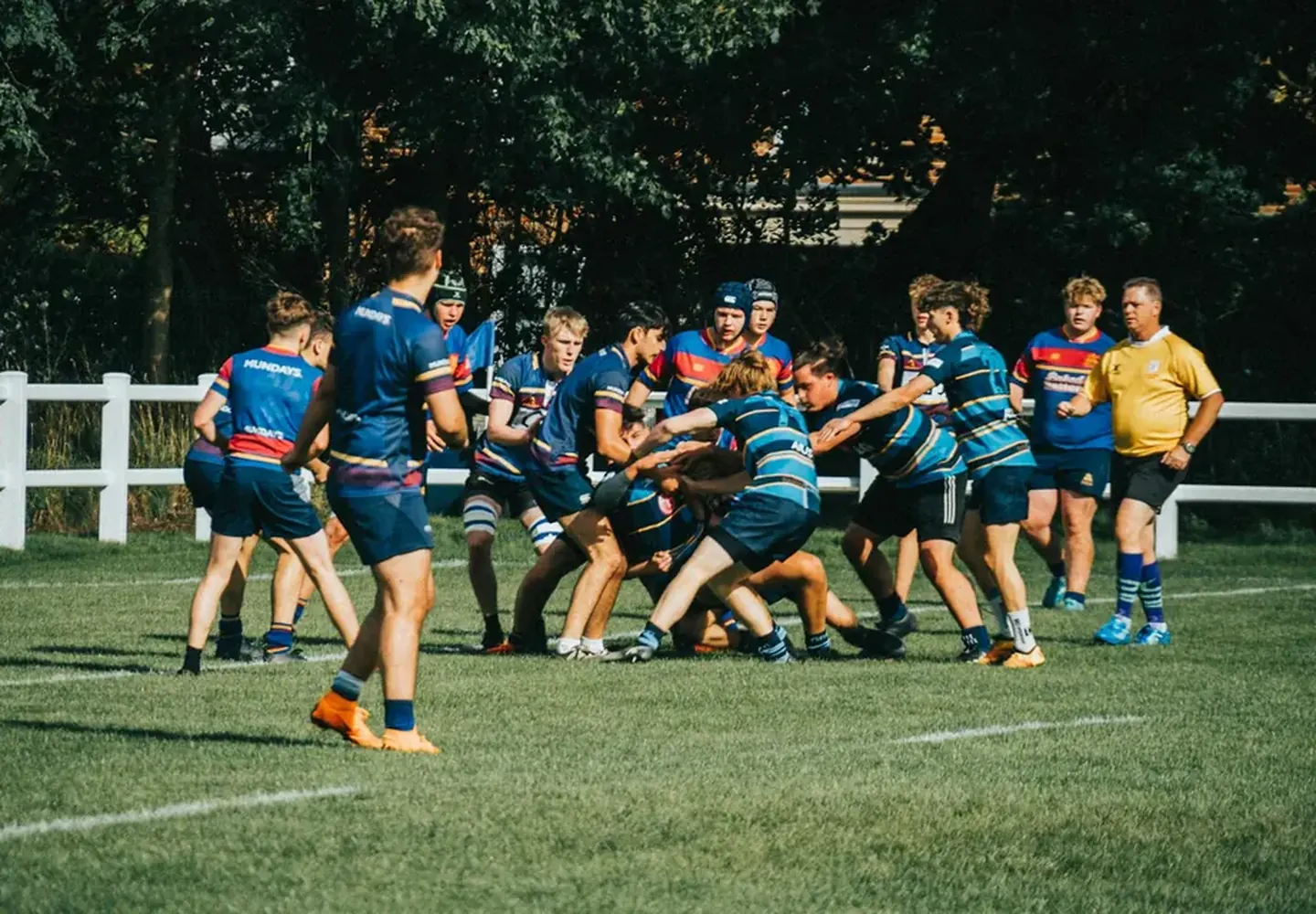
Step 2: Find a Local Club Near You
This is the fun part. Use these methods:
- Google Maps – Search “footy club near me” or “Australian rules football club [your suburb]”.
- State league websites – Check out our guide to state leagues overview at `/state-leagues-overview` for links to your local governing body.
- Word of mouth – Ask at your local pub, school, or even at a game. Footy people love talking footy.
- Social media – Facebook groups for your suburb or region often have club posts.
- Training times and locations
- Contact details for the club president or registrar
- Age groups and grades available
Step 3: Visit a Training Session (Don’t Commit Yet)
Before you hand over any cash, go and watch a training session. Most clubs are happy to have visitors. Here’s what to look for:
- Vibe – Is it friendly? Are people laughing? Or is it all serious drills?
- Coaching quality – Are the coaches engaged? Do they explain things clearly?
- Facilities – Are the grounds decent? Is there a canteen or clubhouse?
- Diversity – Good clubs welcome all ages, genders, and skill levels.
If you’re a parent, bring your kid along to watch. Junior clubs often have “come and try” days where kids can have a run without any pressure.
Step 4: Get the Right Gear (You Don’t Need Much)
Here’s the truth: you don’t need a full kit to start. For your first few sessions, wear:
- Shorts and a t-shirt (preferably your favourite NRL jersey if you want to make friends)
- Footy boots – Moulded soles are fine for most grounds. Avoid metal studs on junior fields.
- Mouthguard – Essential for any contact. Get one fitted at a dentist or buy a boil-and-bite from a sports store.
- Shin guards – Not always mandatory, but recommended.
- Water bottle – You’ll thank me.
Step 5: Register and Pay Your Fees
This is where it gets official. Most clubs use an online registration system through their state league. You’ll need:
- Your personal details (name, address, date of birth)
- Emergency contact info
- A passport-style photo (for your player card)
- Payment for registration fees
Ask about:
- Family discounts – Some clubs offer reduced fees for multiple kids.
- Payment plans – Many clubs are flexible.
- Volunteer discounts – If you help out, you might get a fee reduction.

Step 6: Attend Your First Session (What to Expect)
Your first training session can be nerve-wracking, but it’s also exciting. Here’s what usually happens:
- Warm-up – Jogging, stretching, some light drills.
- Skills work – Handballing, kicking, marking. Don’t stress if you’re rusty.
- Game simulation – A scratch match or drills that mimic game situations.
- Cool-down – Stretching, water, and a chat.
- Arrive early – Gives you time to meet people and get changed.
- Introduce yourself – Say, “I’m new to footy, just learning the ropes.” People will help.
- Listen to the coach – They’ll guide you through drills.
- Don’t compare yourself to pros – You’re not an NRL star (yet). Focus on having fun.
- Hydrate – Even if it’s not hot, drink water.
Step 7: Learn the Basics of the Game
You don’t need to be a rules expert, but knowing the basics helps. Here’s a quick cheat sheet:
- The ball – Oval-shaped, like a rugby ball but slightly smaller. You kick, handball, and mark it.
- Scoring – A goal (through the big posts) is 6 points. A behind (through the small posts) is 1 point.
- Positions – Forwards, midfielders, defenders, and a ruckman. Your coach will explain.
- Key skills – Kicking, handballing, marking (catching), and tackling.
Step 8: Get Involved Beyond Playing
Local footy clubs are more than just teams. They’re community hubs. Here are ways to get involved:
- Volunteer – Help with canteen duty, ground setup, or fundraising.
- Sponsor – If you own a business, consider sponsoring a club.
- Attend events – Club trivia nights, presentation evenings, and grand final parties.
- Support other teams – Watch the juniors, the women’s team, or the reserves.
Step 9: Stay Connected During the Off-Season
Local footy doesn’t stop when the NRL Grand Final is done. Here’s how to stay involved:
- Preseason training – Usually starts in November or December. It’s a great time to join.
- Social events – Clubs often have Christmas parties or end-of-year BBQs.
- Membership renewals – Renew early to lock in discounts.
- Watch the NRL Draw – Use the fixture list as motivation to get fit.
Pro Tips / Common Mistakes
Pro Tips
- Start with a “come and try” day – Most clubs offer these. No pressure, no commitment.
- Bring a mate – Everything’s easier with a friend. Plus, you can practice together.
- Ask about modified rules – If you’re over 35, look for “masters” footy. It’s slower but still fun.
- Use your NRL connection – Mentioning your favourite NRL team at a local club is a guaranteed icebreaker.
- Invest in good boots – Your feet will thank you after a season.
Common Mistakes
- Buying expensive gear too early – Start with the basics. You can upgrade later.
- Overcommitting – Don’t sign up for three clubs at once. Start with one.
- Ignoring injuries – If something hurts, see a physio or doctor. Don’t “play through it.”
- Comparing yourself to NRL stars – Local footy is a different beast. Enjoy the journey.
- Forgetting to hydrate – Seriously. Drink water before, during, and after training.
Checklist Summary
Here’s your quick-reference checklist. Tick off each step as you go:
- 1. Decide your goal (play, coach, volunteer, parent)
- 2. Find a local club (Google, state leagues, word of mouth)
- 3. Visit a training session (watch, ask questions)
- 4. Get basic gear (shorts, boots, mouthguard, water bottle)
- 5. Register and pay fees (online, ask about discounts)
- 6. Attend your first session (arrive early, introduce yourself)
- 7. Learn the basics (kicking, handballing, marking)
- 8. Get involved beyond playing (volunteer, attend events)
- 9. Stay connected off-season (preseason, social events, renewals)
For more on how local footy connects to the broader game, check out our guides on the Sandringham connection at `/vfl-sandringham-connection`, the state leagues in WA, SA, and Tasmania at `/wafl-safl-tasmania`, and the fan traditions and songbook at `/fan-traditions-songbook`.
Reader Comments (1)