

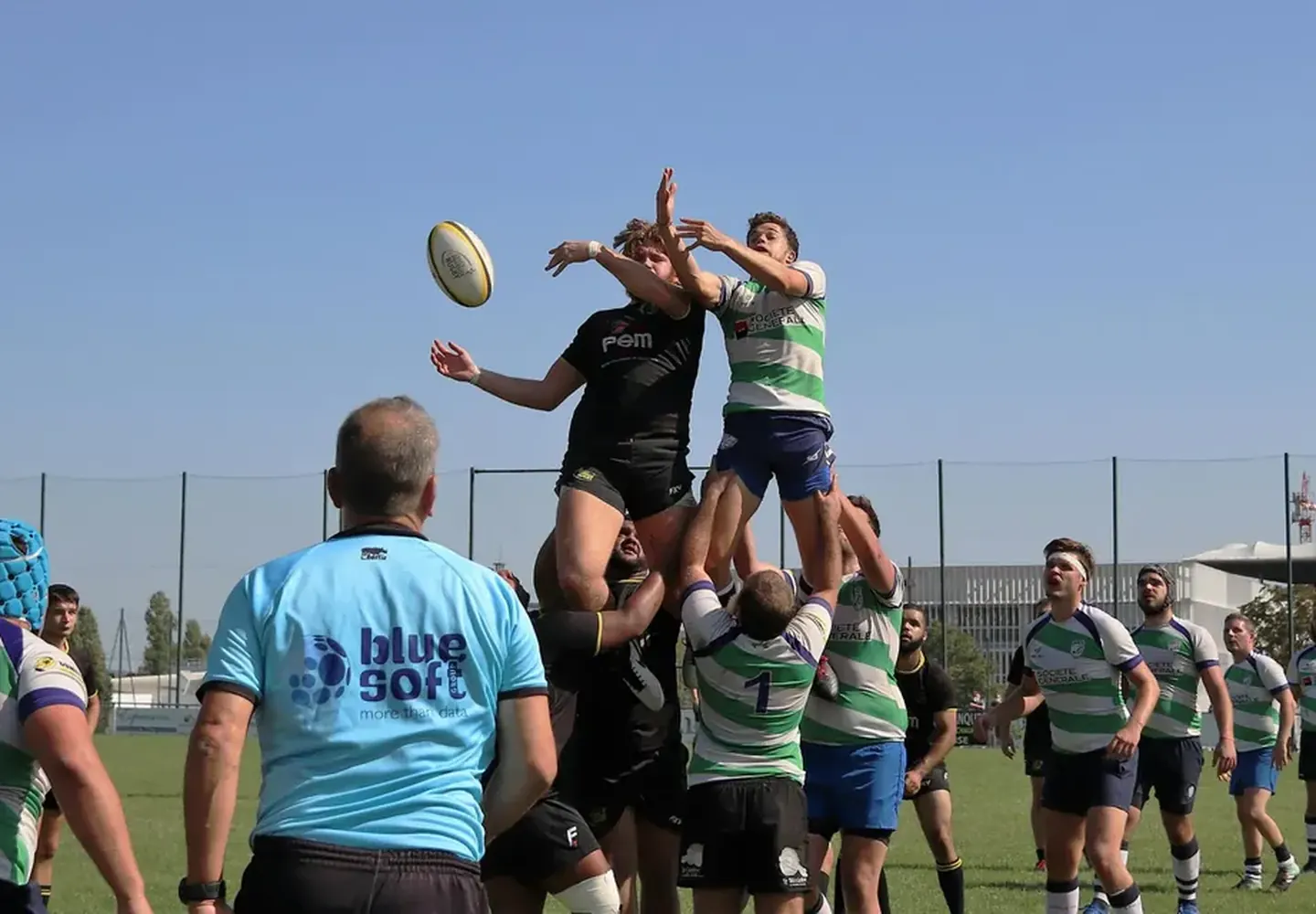
In Australian rules football, the ruck contest is a pivotal phase of play that determines possession and momentum. Unlike other football codes, the ruck in Aussie Rules involves a specialised duel between two ruckmen, often tall and athletic, who compete to direct the ball to teammates after a bounce or throw-in. This glossary clarifies the key terms and rules governing ruck work, ensuring clarity for those familiar with rugby league or other sports.
Ruck Work Terminology
Ruckman
The player designated to contest ruck stoppages, typically the tallest on the field. In Australian rules, the ruckman’s primary role is to tap the ball to advantage, not to catch or pass as in rugby league’s dummy-half role.Ruck Contest
The physical duel between two ruckmen at a centre bounce, boundary throw-in, or ball-up. This is distinct from a rugby scrum or lineout; in Aussie Rules, the ball is bounced or thrown vertically, and players must not wrestle or hold opponents.Centre Bounce
The method used to start each quarter and after a goal. The umpire bounces the ball at the centre circle, and the two ruckmen leap to tap it. This contrasts with a rugby league kick-off or soccer’s centre kick.Boundary Throw-In
When the ball goes out of play on the full, the boundary umpire throws it back in at a 90-degree angle. Ruckmen contest this throw, aiming to tap to a teammate. This is unlike rugby league’s scrum or soccer’s throw-in, where direct possession is awarded.Tap-Out
The act of a ruckman directing the ball to a teammate using an open hand or fist. A well-executed tap-out can create a scoring opportunity, similar to a rugby league offload but requiring precise timing and height.Hit-Out
A statistic counting the number of times a ruckman taps the ball to a teammate. A high number of hit-outs generally indicates a ruckman has contributed significantly to midfield possession.Ruck Rover
A player who follows up the ruck contest to gather the ball, often a midfielder with speed and agility. This role is specific to Aussie Rules and not found in rugby league or soccer.Stoppage
Any interruption in play, including ball-ups, boundary throw-ins, and free kicks. In ruck work, stoppages are opportunities to reset structure, unlike rugby league’s continuous play.Ball-Up
When the umpire bounces the ball in a contested situation, typically after a stoppage where no clear advantage exists. This is unique to Aussie Rules and differs from rugby league’s play-the-ball.Ruck Duel
The one-on-one battle between opposing ruckmen. Success in this duel often influences midfield dominance, akin to a rugby league forward pack’s contest but with vertical jumping and tap precision.Follow-Up
The action of midfielders and ruck rovers moving to the drop zone after a tap-out. This phase is critical for securing possession, unlike rugby league where the ball is passed from the ruck.Ruck Work
The collective term for all actions involving the ruckman, including tapping, blocking, and following up. Effective ruck work can neutralise a dominant opponent, as seen in tactical match-ups.Ruck Coach
A specialist coach who trains ruckmen in technique, jumping timing, and tap strategies. This role is analogous to a rugby league forwards coach but focuses on aerial contests.Midfield Ruck
A ruckman who also rotates through the midfield to link play. This hybrid role is becoming common in modern AFL, similar to a rugby league lock forward but with greater emphasis on ground coverage.Ruck Tap
A deliberate directional tap by the ruckman to a specific teammate, often to a midfielder running past. This is distinct from a soccer header or rugby lineout throw.Ruck Block
A legal screen set by a ruckman to impede an opponent’s path to the ball, provided no holding occurs. This is similar to a basketball pick but must be stationary.Ruck Free Kick
A penalty awarded for infringements such as pushing in the back, holding, or shepherding illegally in a ruck contest. This differs from rugby league’s ruck penalties for slow play.Ruck Rivalry
A notable contest between two ruckmen, often highlighted in match previews. For example, a battle between a dominant tap ruckman and a physical competitor can influence midfield ascendancy.Ruck Stats
Performance metrics including hit-outs, tap-to-advantage percentage, and ground ball gets. These stats help analyse ruck effectiveness, akin to rugby league’s tackle counts.Ruck Strategy
Game plans involving ruck rotations, tap directions, and defensive setups. Coaches may instruct ruckmen to tap to specific zones, similar to a rugby league kicking strategy.Ruck Fatigue
The physical toll of repeated jumping and contesting, often managed via rotation with a backup ruckman. This is critical in high-tempo matches, unlike rugby league’s interchange system.Ruck Work in Finals
The elevated importance of ruck contests in high-pressure finals matches. A dominant ruckman can swing a premiership decider, as seen in close grand finals.Ruck Work in AFLW
The women’s league where ruck contests follow the same rules but with adjusted athletic profiles. The tap-out remains central to match tactics.Ruck Work in State Leagues
Lower-tier competitions such as the VFL, SANFL, or WAFL, where ruck work develops future AFL talent. These leagues often feature similar rules and structures.Summary
Understanding ruck work rules is essential for appreciating Australian rules football’s unique stoppage dynamics. From the centre bounce to boundary throw-ins, the ruckman’s role in directing play through tap-outs and follow-ups shapes match outcomes. By distinguishing these terms from those in rugby league, soccer, or NFL, fans can better analyse tactics and player performance. For further insights into match tactics, explore our guides on marking contests and handball strategies, or return to the match tactics hub for more comprehensive analysis.

Reader Comments (0)