


A Practical Guide to Understanding How Our Great Game Came to Be
Ever found yourself at a pub debate arguing whether Australian Rules football really started as a way to keep cricketers fit over winter? Or wondered why the game looks nothing like rugby yet shares some weird DNA with Gaelic football? You're not alone, mate.
Understanding where Australian football came from isn't just trivia for the die-hard fan. It gives you a richer appreciation for the high marks, the chaos of the bounce-down, and the sheer madness of 36 players chasing an oval ball across the MCG. Whether you're a grassroots coach trying to explain the game to new players, a parent watching junior footy for the first time, or a fan who wants to impress your mates at the pub, this checklist will walk you through the key moments that shaped the sport we love.
By the end, you'll have a solid grasp of the cultural history behind Australian football—no PhD required.
Prerequisites / What You Need
Before we dive in, here's what you'll need to get the most out of this guide:
- A curious mind – We're covering a lot of ground, from colonial Melbourne to modern-day premiership deciders.
- Basic knowledge of footy – If you know what a mark is and that the Sherrin isn't a person, you're set.
- Access to the internet – You'll want to look up some of the clubs and grounds mentioned. The /afl-grounds-heritage page is a great place to start.
- About 20 minutes – Grab a cuppa. This isn't a sprint.
Step 1: Start with the Pre-Colonial Roots
Most people think Australian football was invented in 1858 by Tom Wills. That's only half the story.
Before European settlement, Aboriginal communities across the continent played a range of ball games that involved kicking, catching, and territorial movement. The most famous is Marn Grook (or Marngrook), played by the Djab Wurrung and Jardwadjali people in western Victoria. It involved kicking a possum-skin ball, leaping high to catch it, and moving it across a large open space.
Why this matters:
- The high mark – the most spectacular skill in modern footy – has a direct parallel in Marn Grook.
- Indigenous players like Adam Goodes, Michael O'Loughlin, and Lance Franklin have carried this legacy into the modern game.
Step 2: Understand the 1858 "Invention" Myth
Here's where the history books get fuzzy. In 1858, Tom Wills – a cricketer who'd been educated at Rugby School in England – wrote a letter to Bell's Life in Victoria suggesting that cricketers form a football club to keep fit over winter. That same year, one of the earliest recorded matches under early Melbourne rules was played between Scotch College and Melbourne Grammar.
But Wills didn't invent the game alone. He was part of a committee that included cricketers and schoolmasters. The rules they wrote drew from English public school football (yes, including some rugby elements), but they also incorporated the kicking and catching traditions that were already familiar in the colonies.
Key takeaway: Australian football wasn't a single invention. It was a cultural melting pot – English school games, Aboriginal ball games, and the practical needs of colonial Victorians all mixed together.
Step 3: Trace the Split from Rugby
Now, this is where it gets interesting for NRL fans. In the 1860s and 70s, Australian football and rugby were still kissing cousins. Both involved kicking, running with the ball, and scoring goals. But the Melbourne rules went in a different direction.
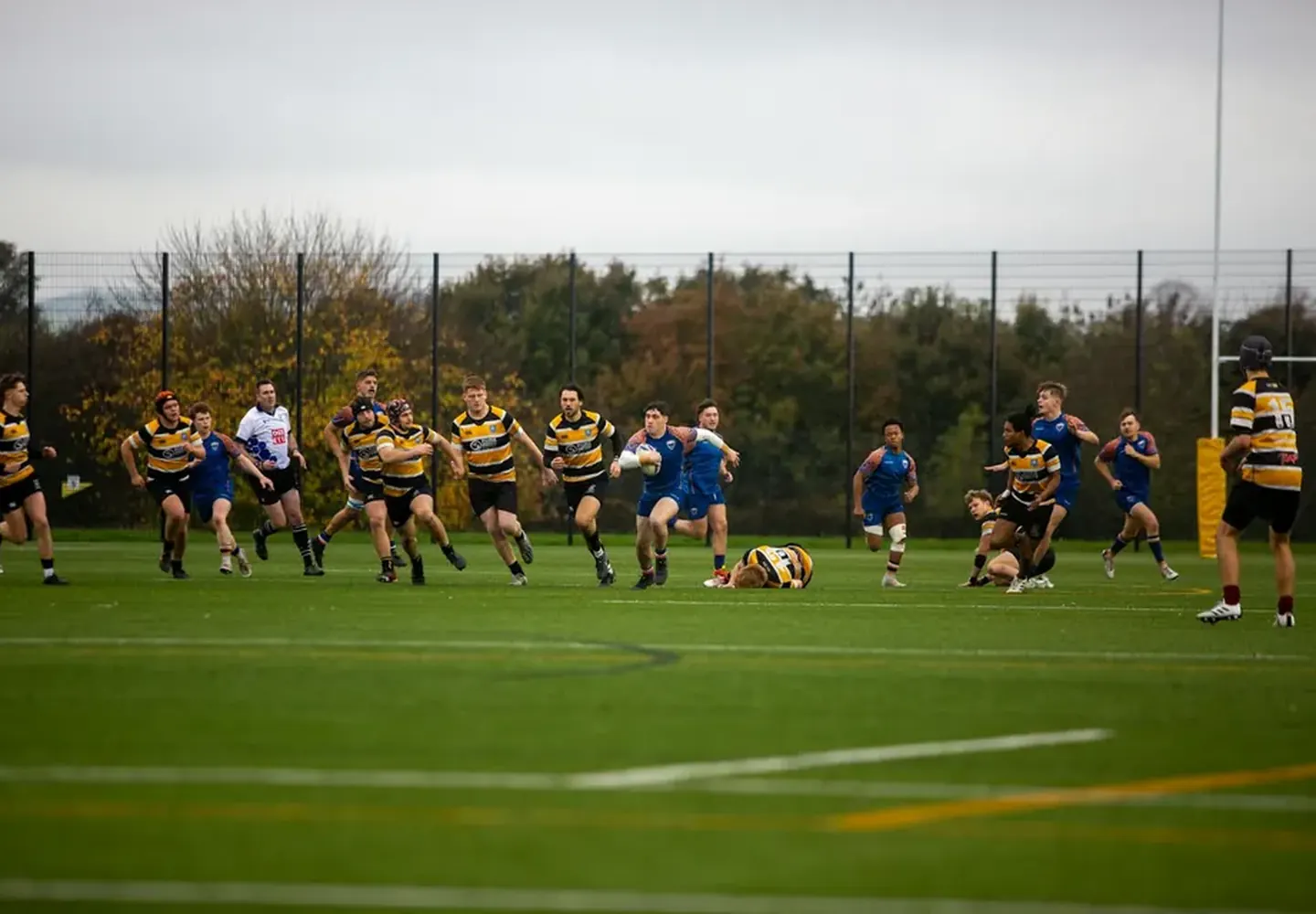
The big differences that emerged:
- No offside rule – In Australian football, players can go anywhere on the field. Rugby kept its offside line.
- The mark – Catching the ball cleanly from a kick earns a free kick. Rugby doesn't have this.
- Running with the ball – In footy, you have to bounce it every 15 metres. In rugby, you can run freely but must pass backwards.
- No tackling below the knees – Australian football banned it early on. Rugby embraced it.
Why this matters for Roosters fans: The Sydney Roosters, as one of the oldest rugby league clubs in Australia, represent the path not taken by Australian football. But the two codes have influenced each other over the years – especially in training methods and sports science. Trent Robinson, the Roosters' coach, has often spoken about learning from AFL coaching techniques.
Step 4: Meet the Founding Clubs and Competitions
Australian football didn't just appear fully formed. It grew through clubs and competitions that are still going strong today.
The early powerhouses:
- Melbourne Football Club (1859) – One of the oldest football clubs in the world. They helped codify the first rules.
- Geelong Football Club (1859) – The Cats have been around since the beginning.
- South Australian Football Association (1877) – The first official league outside Victoria.
- West Australian Football League (1885) – WAFL clubs like East Perth and South Fremantle have deep roots.
- Tasmanian Football League (1879) – Football in Tassie goes way back.
Action point: Pick one of these early leagues and learn about its founding clubs. You'll see how local identity and community pride drove the game's growth.
Step 5: Understand the VFL/AFL Evolution
The Victorian Football League (VFL) was formed in 1897 when several clubs broke away from the Victorian Football Association. This was the birth of professional Australian football as we know it.
Key milestones:
- 1897 – VFL established with Carlton, Collingwood, Essendon, Fitzroy, Geelong, Melbourne, St Kilda, and South Melbourne.
- 1925 – The league expanded to 12 teams, including Footscray, Hawthorn, and North Melbourne.
- 1982 – South Melbourne relocated to Sydney, becoming the Sydney Swans. This was a huge moment for the game's national expansion.
- 1990 – The VFL renamed itself the Australian Football League (AFL), reflecting its national reach.
- 1990s-2000s – Expansion into Queensland, New South Wales, Western Australia, and South Australia created a truly national competition.
Step 6: Explore the Role of Grounds and Stadiums
Australian football is deeply tied to its grounds. The MCG, the Gabba, the SCG – these aren't just venues. They're sacred sites in the cultural landscape.
Iconic grounds and their stories:
- MCG – The home of footy. Hosted the first VFL match in 1897 and every Grand Final since 1902 (except for a few interruptions).
- SCG – The Swans' home ground. It's also hosted rugby league, cricket, and even the 1938 British Empire Games.
- WACA Ground – Used by the West Coast Eagles in their early years.
- Football Park – The old home of the Adelaide Crows and Port Adelaide. Demolished in 2017, but its spirit lives on.
Step 7: Understand the Grand Final Tradition
The AFL Grand Final is one of the biggest events on the Australian sporting calendar. But it didn't always have the hype it does today.
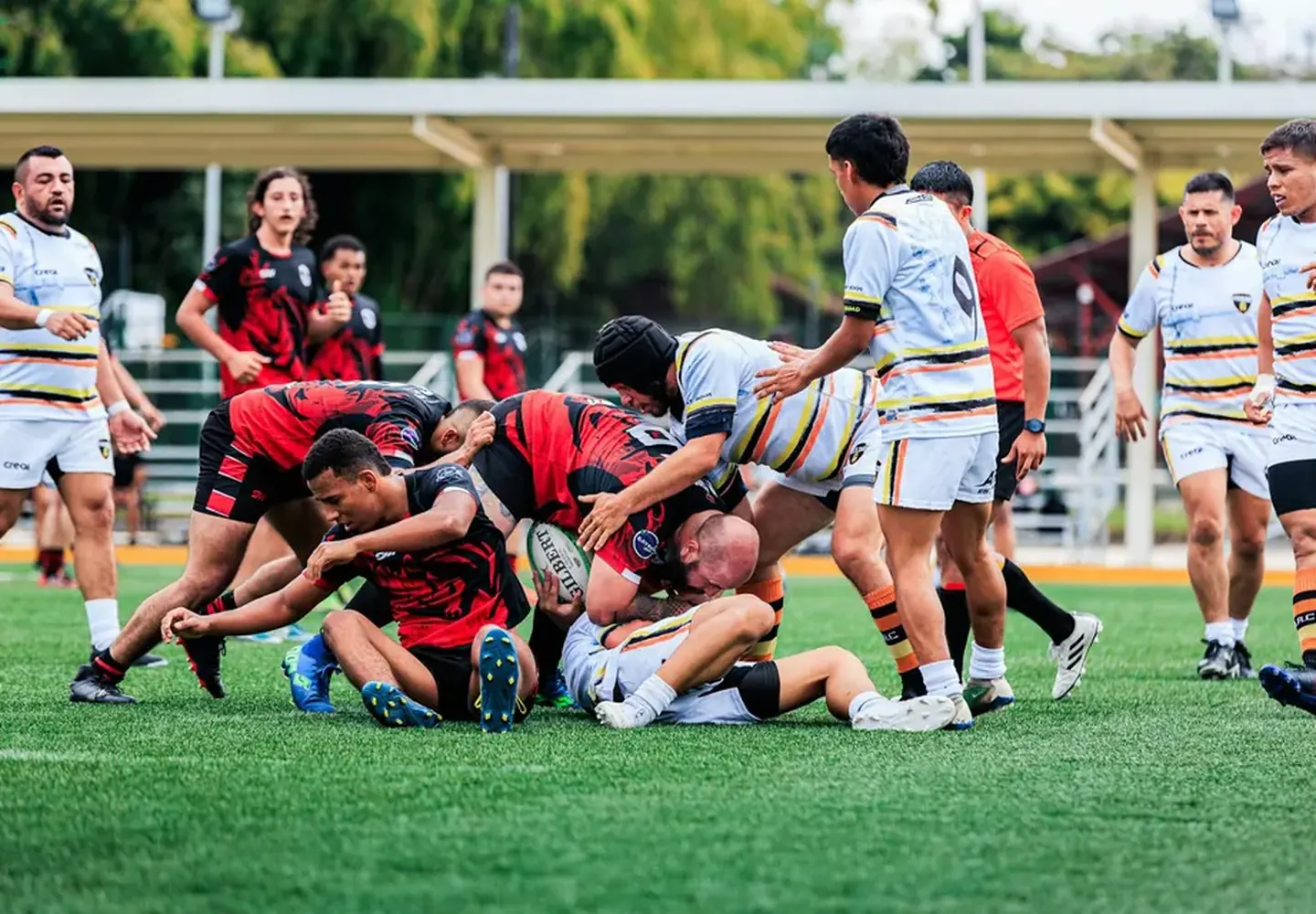
Evolution of the Grand Final:
- 1898 – The first VFL Grand Final was played between Fitzroy and South Melbourne.
- 1902 – The MCG became the permanent home of the Grand Final.
- 1970s – The Grand Final became a national television event. The 1977 drawn Grand Final (between North Melbourne and Collingwood) was watched by a large audience.
- 1990s-present – The Grand Final is now a week-long festival, with the Brownlow Medal, the Grand Final Parade, and the pre-game entertainment.
Step 8: Recognise the Indigenous Contribution
We touched on this in Step 1, but it deserves its own step. Indigenous Australians have been central to Australian football from the start.
Key figures:
- Adam Goodes – Dual Brownlow Medalist and 2014 Australian of the Year.
- Michael O'Loughlin – Sydney Swans legend and 2005 premiership player.
- Lance Franklin – One of the greatest forwards of all time.
- Eddie Betts – Master of the spectacular goal.
Pro Tips / Common Mistakes
Pro tips:
- Don't get bogged down in dates – The exact year something happened is less important than the story behind it.
- Compare with other codes – Understanding rugby league's history (like the Roosters' journey from Eastern Suburbs to Bondi) gives you perspective on Australian football's development.
- Visit a historic ground – There's nothing like standing on the MCG or the SCG to feel the history of the game.
- Talk to old-timers – Your local footy club has members who remember the VFL days, the WAFL, or the SANFL. Their stories are priceless.
- Assuming the AFL invented everything – The game evolved organically from multiple sources.
- Forgetting the women's game – Women's Australian football has a long history too, with early recorded matches dating back to the early 20th century.
- Ignoring the state leagues – The WAFL, SANFL, and TFL are not minor leagues. They have their own rich histories.
- Confusing Australian football with rugby – They split in the 19th century and have very different rules and cultures.
Checklist Summary
Here's your quick-reference checklist for understanding the origins of Australian football:
- Learn about pre-colonial ball games like Marn Grook
- Understand the 1858 "invention" by Tom Wills and the Melbourne rules
- Trace the split from rugby in the 1860s-70s
- Meet the founding clubs: Melbourne, Geelong, and others
- Explore the state leagues: VFL, WAFL, SANFL, TFL
- Understand the VFL/AFL evolution from 1897 to today
- Visit historic grounds like the MCG and SCG
- Appreciate the Grand Final tradition and its cultural significance
- Recognise the Indigenous contribution to the game
- Compare with other codes for perspective
Australian football is more than just a sport. It's a cultural artefact that reflects the history of this country – from its Indigenous roots to its colonial beginnings, its state rivalries, and its modern national identity.
Next time you're watching a match at Allianz Stadium or the MCG, remember that you're part of a story that stretches back more than 160 years. And if you're a Roosters fan, you know a thing or two about tradition and history yourself.
Now go share this knowledge with your mates. And maybe settle that pub debate once and for all.
Want to dive deeper? Check out the /history-culture page for more on the game's evolution, or explore the /great-grand-finals-timeline to relive the biggest moments in footy history.
Reader Comments (0)