

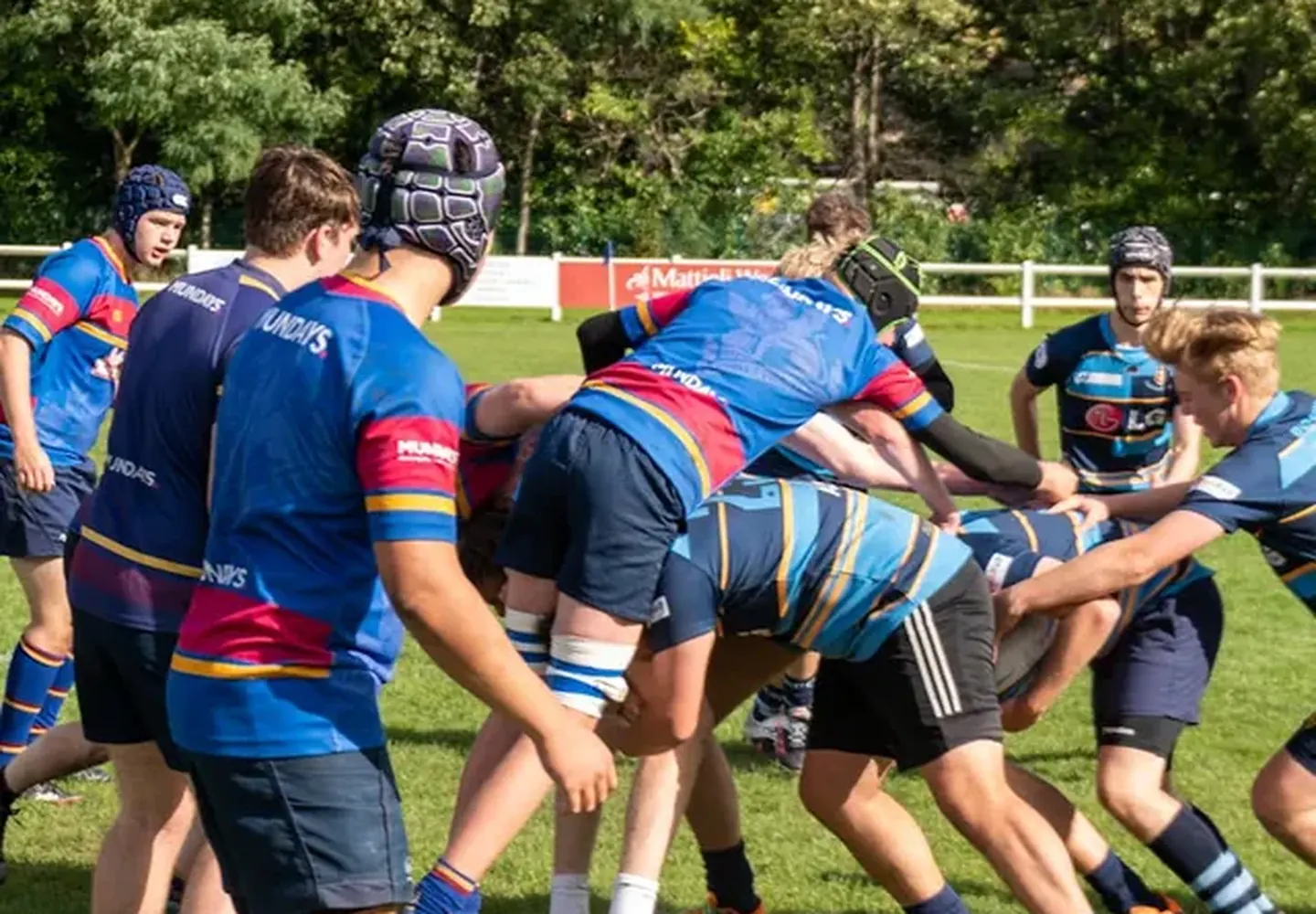
In the modern era of Australian rules football, the capacity to generate scoring opportunities often hinges not on individual brilliance alone, but on the collective intelligence of players moving without the ball. While the spectacle of a soaring mark or a long-range goal captures immediate attention, the subtle, structured movements occurring behind the play—away from the immediate contest—frequently determine the outcome of matches. This pillar guide examines the tactical intricacies of behind-the-play movement, exploring how teams create numerical advantages (overloads) and expand their attacking options. For supporters of various codes, the parallels in footy's movement patterns offer a deeper appreciation of the game's strategic depth.
Understanding these concepts is essential not only for coaches and analysts but also for fans seeking to interpret the ebb and flow of a match. The principles of creating space and exploiting mismatches remain universal. This guide will dissect the mechanics of overload creation, the roles of key positions, and the practical applications that elevate a team from competitive to dominant.
The Foundations of Behind-the-Play Movement
Defining the Concept
Behind-the-play movement refers to the deliberate repositioning of players who are not directly involved in the immediate contest for the ball. In Australian rules football, this typically occurs when a player has taken a mark or received a free kick, and teammates adjust their positions to provide options. The objective is twofold: first, to create an overload—a numerical advantage in a specific zone of the ground—and second, to offer multiple, viable disposal options that stretch the opposition's defensive structure.
This concept contrasts with static, predictable positioning, where players remain in set zones without adapting to the flow of play. Teams that master behind-the-play movement can transition rapidly from defence to attack, maintain possession under pressure, and break down well-organised defences.
Historical Context and Evolution
The tactical evolution of behind-the-play movement mirrors the broader development of Australian rules football. In earlier decades, the game was more direct, with players often congregating around the ball. However, as coaching methodologies advanced, the importance of off-ball movement became paramount.
The introduction of the centre bounce and the modern ruck contest further accelerated this trend. Teams began to realise that winning the ball at the contest was only half the battle; the subsequent distribution and the positions of teammates were equally critical. Today, elite sides employ sophisticated patterns that involve players peeling off their direct opponents, creating lateral switches, and exploiting the corridor.
Creating Overloads: The Numerical Advantage
The Principle of Overloads
An overload occurs when a team has more players in a specific area than the opposition. In behind-the-play movement, overloads are typically created by drawing defenders toward the ball carrier, then releasing a teammate into space. This can be achieved through:
- Decoy runs: A player runs toward the ball, drawing a defender, while a teammate moves into the vacated space.
- Lateral shifts: Players shift across the ground, forcing the opposition to adjust, thereby creating gaps.
- Deep drops: A forward drops back toward the midfield, leaving their defender uncertain whether to follow or hold position.
Practical Example: The Switch of Play
Consider a scenario where a half-back flanker takes a mark on the outer wing. Instead of kicking directly down the line, they look inward. Meanwhile, a midfielder on the opposite flank sprints laterally behind the play, drawing two opponents. The half-back then kicks to a teammate who has drifted into the corridor, now with a one-on-one advantage. This switch not only changes the angle of attack but also forces the defence to reset, often leaving a forward isolated inside 50.
This technique is particularly effective at venues where the ground dimensions can reward precise kicking and intelligent running patterns.
The Role of the Ruckman
The ruckman, while primarily associated with the centre bounce and stoppages, plays a crucial role in behind-the-play movement. After a ruck contest, the ruckman often drifts behind the play to provide a marking option or to shepherd for a teammate. This movement can create an overload in the midfield, as the opposition ruckman must decide whether to follow or remain in the defensive zone.
A ruckman who reads the play well can be a catalyst for scoring chains, acting as a link between defence and attack. Their ability to position themselves behind the contest, rather than directly in it, adds an extra dimension to the team's structure.
Expanding Options: The Art of Providing Choices
Multiple Targets
Behind-the-play movement is not solely about creating numerical advantages; it is also about ensuring the ball carrier has multiple, viable options. This reduces the predictability of disposal and makes it harder for defenders to intercept.
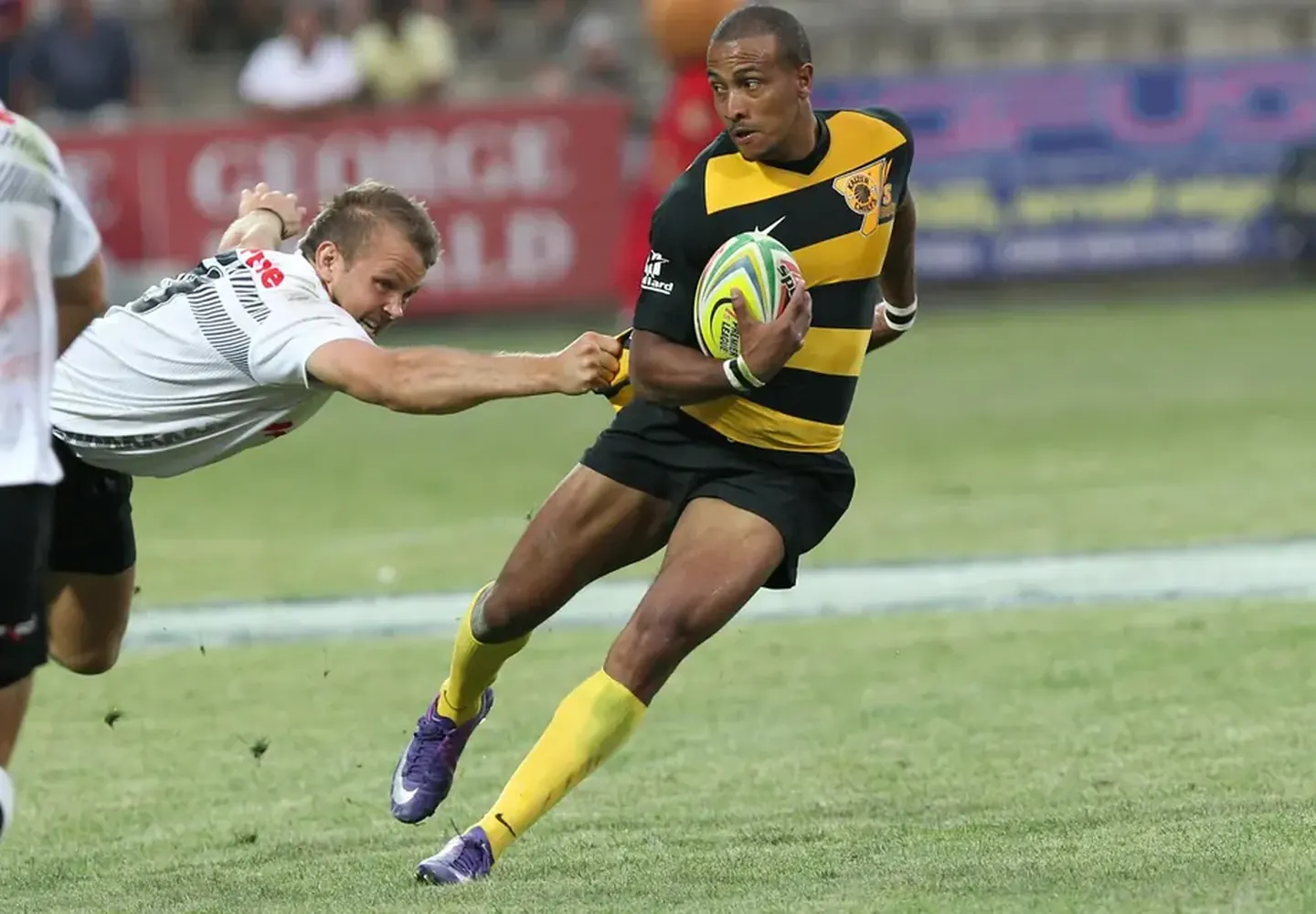
Key principles include:
- Spacing: Players must maintain appropriate distances to avoid crowding. If two teammates occupy the same space, they effectively become one option.
- Depth: Options should be provided at different distances—short, medium, and long—to suit varying pressure levels.
- Angles: Players should run at angles that open up the field, rather than directly toward the ball carrier.
The Handball Chain
Handballing is a fundamental tool for expanding options. A well-executed handball chain can move the ball laterally or backward, drawing defenders out of position. For example, a player under pressure may handball to a teammate running behind them, who then releases a longer handball to a third player in space. This sequence, executed rapidly, can dismantle a zone defence.
In the context of a match at a stadium, where crowd noise can affect communication, handball chains rely heavily on pre-practice patterns and trust among teammates.
The Importance of the Lead
Forwards who lead effectively are essential to behind-the-play movement. A lead is a sprint toward the ball carrier, often at an angle, designed to create separation from a defender. However, the most dangerous forwards also incorporate a "second effort"—a change of direction or a stop-start movement that confuses the defender.
When a forward leads and is not selected, they must immediately reposition. This "re-lead" is a form of behind-the-play movement, as it occurs away from the immediate contest but creates a new option for the next disposal.
Positional Responsibilities and Structures
Defenders
Defenders are often the initiators of behind-the-play movement. After winning the ball, a defender's first look should be upfield, scanning for teammates who have created space. The best defenders possess exceptional vision and decision-making under pressure. In footy, this translates to the ability to identify mismatches and execute precise disposals.
Defenders must also be aware of their own positioning when the opposition has the ball. A defender who drifts too far behind the play can leave their direct opponent unguarded, leading to a scoring opportunity.
Midfielders
Midfielders are the engine room of behind-the-play movement. They must constantly assess the balance of the ground, moving to where they are needed most. A midfielder who can read the play and anticipate where the ball will go next is invaluable.
Key roles include:
- The link player: Positions between defence and attack, providing a short option.
- The spreader: Runs wide to stretch the opposition's midfield.
- The overlap runner: Accelerates past the ball carrier to receive a handball in space.
Forwards
Forwards are the ultimate beneficiaries of effective behind-the-play movement. A forward who understands timing and space can convert a half-chance into a goal. This requires not only physical speed but also cognitive awareness—knowing when to lead, when to hold position, and when to drift into the corridor.
The modern forward line often features a mix of tall and small players, each with distinct roles. Tall forwards may draw multiple defenders, creating space for smaller, quicker teammates to exploit. Conversely, small forwards can use their agility to lose their opponents in traffic.
Match-Day Context: Applying the Principles
Pre-Game Preparation
Behind-the-play movement is not spontaneous; it is drilled extensively during training. Coaches use video analysis to identify patterns in opposition defences and design specific movements to exploit weaknesses. For example, if an opponent's defence is slow to rotate, a team may focus on lateral switches and deep drops.
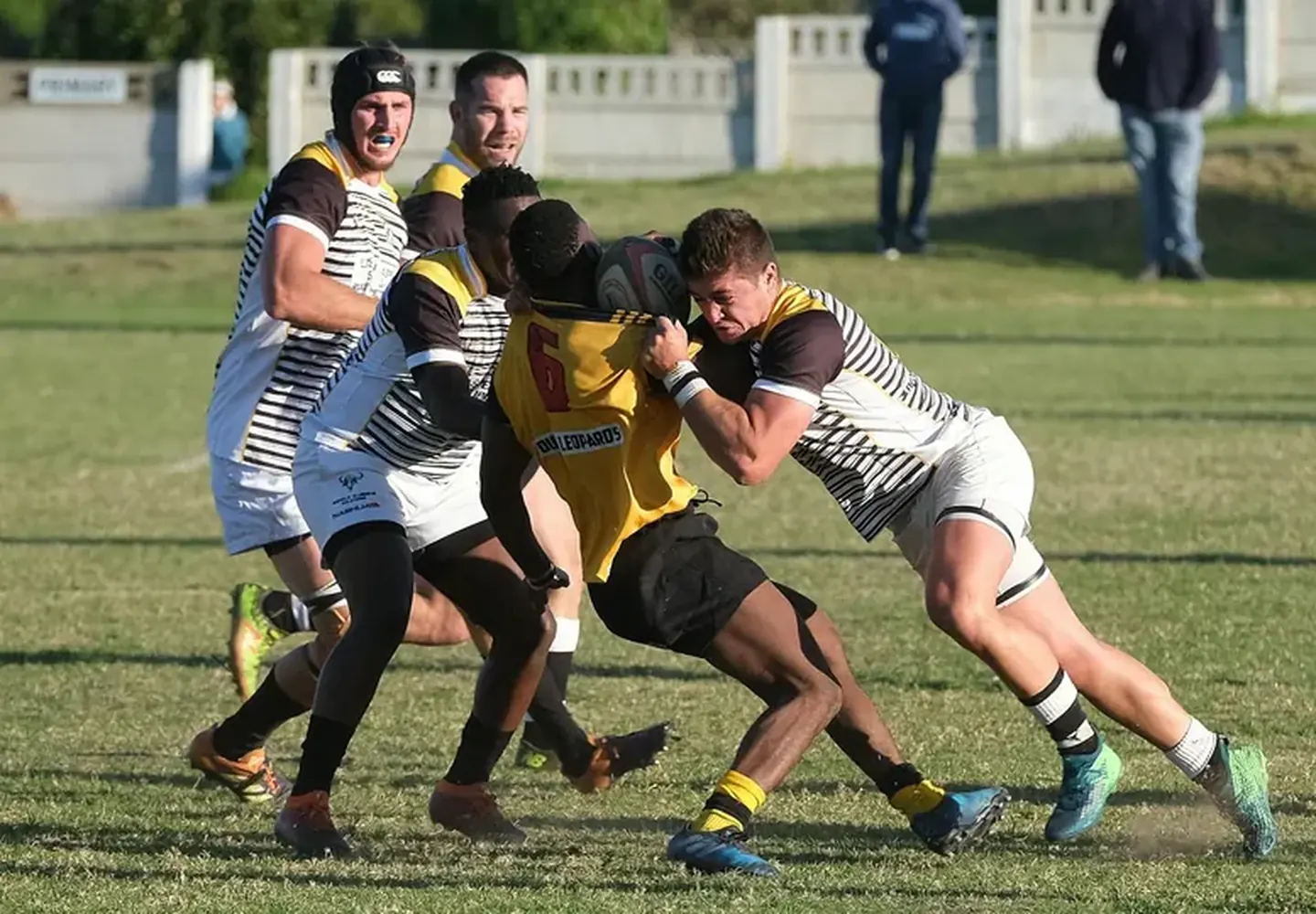
Pre-game warm-ups often include drills that simulate game scenarios, reinforcing movement patterns. Players are reminded of their roles in various situations, such as after a centre bounce or following a behind.
In-Game Adjustments
During a match, conditions can change rapidly. Weather, injuries, and the flow of the game all influence the effectiveness of behind-the-play movement. A team that relies heavily on precise kicking may struggle in wet conditions, requiring a shift to handball-heavy patterns.
Similarly, if a key defender is injured, the opposition may target that area with overloads. Coaches must be prepared to adjust their structures on the fly, communicating changes through bench rotations or set plays.
The Role of Leadership
Leadership on the field is critical. Experienced players often direct teammates into positions, ensuring that movement patterns are maintained. In footy, this responsibility falls to senior players who can read the play and communicate effectively.
A captain who can organise the team behind the play—shouting instructions, pointing to spaces—can be the difference between a chaotic structure and a cohesive one.
Common Mistakes and How to Avoid Them
Overcommitting
One of the most common errors in behind-the-play movement is overcommitting. If too many players move to the same area, they crowd the space, reducing options and making it easier for defenders to intercept. Teams must maintain discipline, ensuring that each player knows their zone.
Poor Timing
Timing is everything. A player who runs too early may be ignored, while a player who runs too late may not be seen. This requires constant communication and a shared understanding of the game's tempo.
Neglecting Defensive Duties
Behind-the-play movement can leave a team vulnerable if players abandon their defensive responsibilities. For example, a defender who pushes too far upfield may leave their direct opponent free to receive a kick. Balance is essential.
Conclusion: Mastering the Invisible Art
Behind-the-play movement is the invisible thread that connects individual efforts into a cohesive team performance. It is the art of creating overloads and options, of thinking two steps ahead, and of turning chaos into structure. For fans of Australian rules football, understanding these principles transforms the viewing experience, revealing the layers of strategy beneath every contest.
Whether you are analysing a match at a venue or studying the tactics of a premiership-winning side, the lessons of behind-the-play movement are universal. They remind us that football is not merely a game of physical prowess, but a battle of wits, timing, and spatial awareness.
To deepen your understanding of match tactics, explore our related guides on match-tactics, afl-tackling-techniques, and man-on-man-defense. Each offers a unique perspective on the strategic elements that define modern Australian rules football.
Reader Comments (0)