

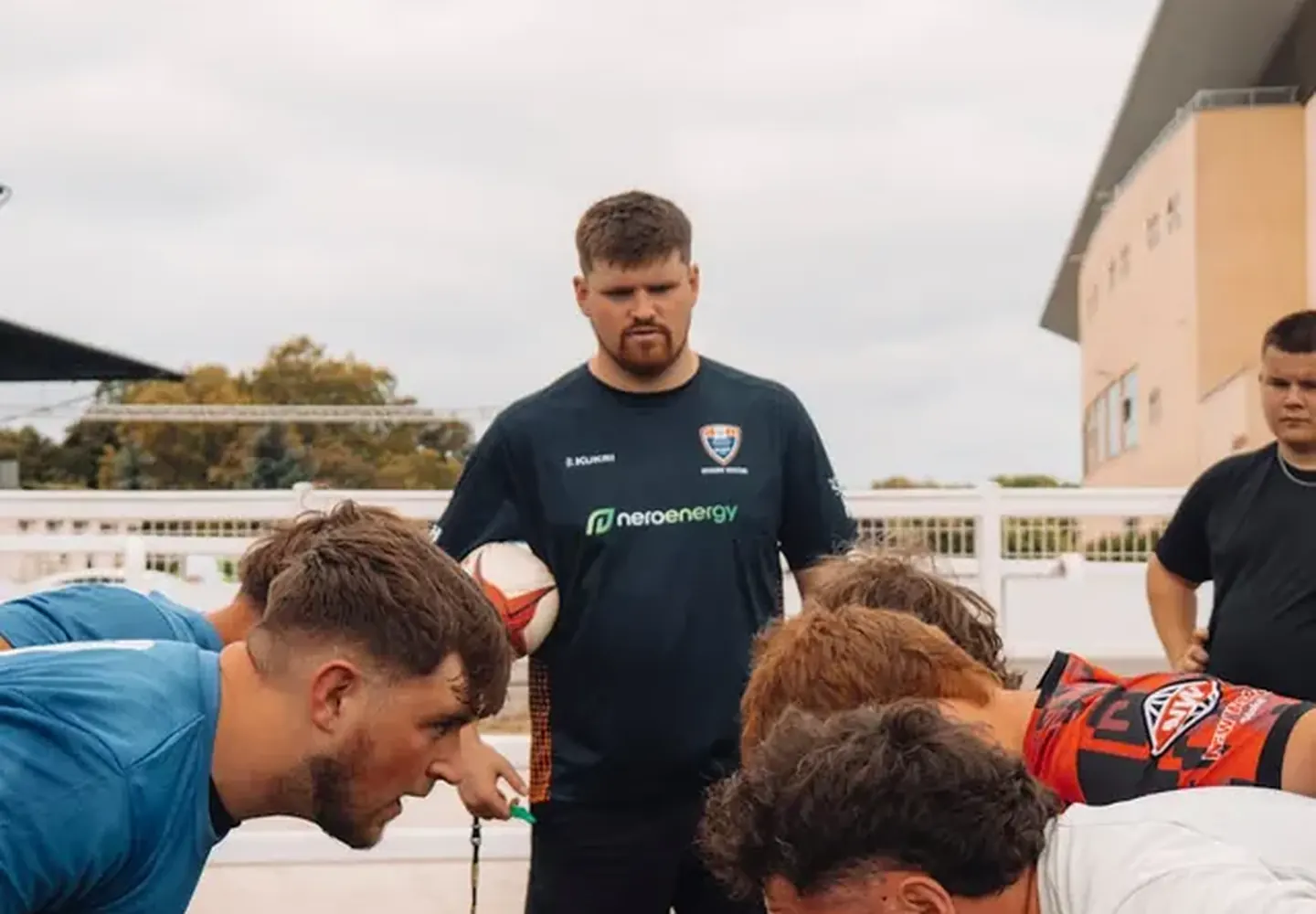
Ever been watching a game and wondered why the ref blew the whistle—again? Or maybe you're new to footy and trying to figure out why your team keeps giving away cheap possession. You’re not alone. Penalties can feel like a maze of rules, but once you know what to look for, the game makes a whole lot more sense.
This checklist is for anyone who wants to understand the most common penalties in rugby league—whether you’re a new fan, a parent on the sideline, a grassroots player, or a coach trying to teach the basics. By the end, you’ll be able to spot a penalty from the stands, explain it to a mate, and maybe even avoid giving one away yourself.
Let’s dive in.
What You’ll Need
Before we get into the list, here’s what you should have handy:
- A basic understanding of rugby league rules – If you know what a tackle, a scrum, and a kick are, you’re good. If not, check out our rules-basics guide first.
- A game to watch – Live or on replay. It helps to see penalties in action.
- A notepad or mental checklist – You’ll be ticking off penalties as you spot them.
- Patience – Some calls are tricky, even for the pros. You’ll get there.
Step 1: Understand the Most Common Penalty – The Ruck Infringement
The ruck is where most penalties happen. It’s the area around the tackled player and the marker. Disciplined teams tend to manage this area carefully, while others can get frustrated when the opposition slows things down.
What to look for:
- Not releasing the tackled player – Once a tackle is complete, the tackler must let go immediately. If they hang on, it’s a penalty.
- Playing at the ball on the ground – If the tackled player doesn’t play the ball correctly, or if a defender tries to steal it while the player is still on the ground, that’s a penalty.
- Flop or slow peel – A defender who falls over the tackled player to slow the play-the-ball gets penalised. This is a big one in modern NRL games.
Step 2: Identify Offside Penalties
Offside is simple in theory but easy to miss in real time. Each team has a line they must stay behind during a kick or a tackle.
What to look for:
- Kick chase offside – When a player kicks the ball, all teammates must be behind the kicker. If they’re in front, it’s a penalty. Watch for players running past the kicker too early.
- Marker offside – The marker (the defender standing opposite the play-the-ball) must stay square and not move forward until the ball is played. A step too early and it’s a penalty.
- Ten-metre offside – After a tackle, defenders must retreat 10 metres. If they don’t, the ref will call “held” and then penalise if they’re still too close.
Step 3: Spot the High Tackle and Dangerous Contact
Player safety is massive in the NRL, and refs are strict on any contact above the shoulders or with dangerous intent.
What to look for:
- High tackle – Any contact with the head or neck area. Even if it’s accidental, it’s a penalty. If it’s forceful, expect a sin bin or send-off.
- Late tackle – Hitting a player after they’ve passed or kicked the ball. This is about protecting players from unnecessary contact.
- Dangerous throw or crusher tackle – Lifting a player above the horizontal or putting pressure on their neck in a tackle. These often lead to suspensions.
- Contact with a kicker – You cannot touch the kicker’s landing leg. Even brushing it can be a penalty.
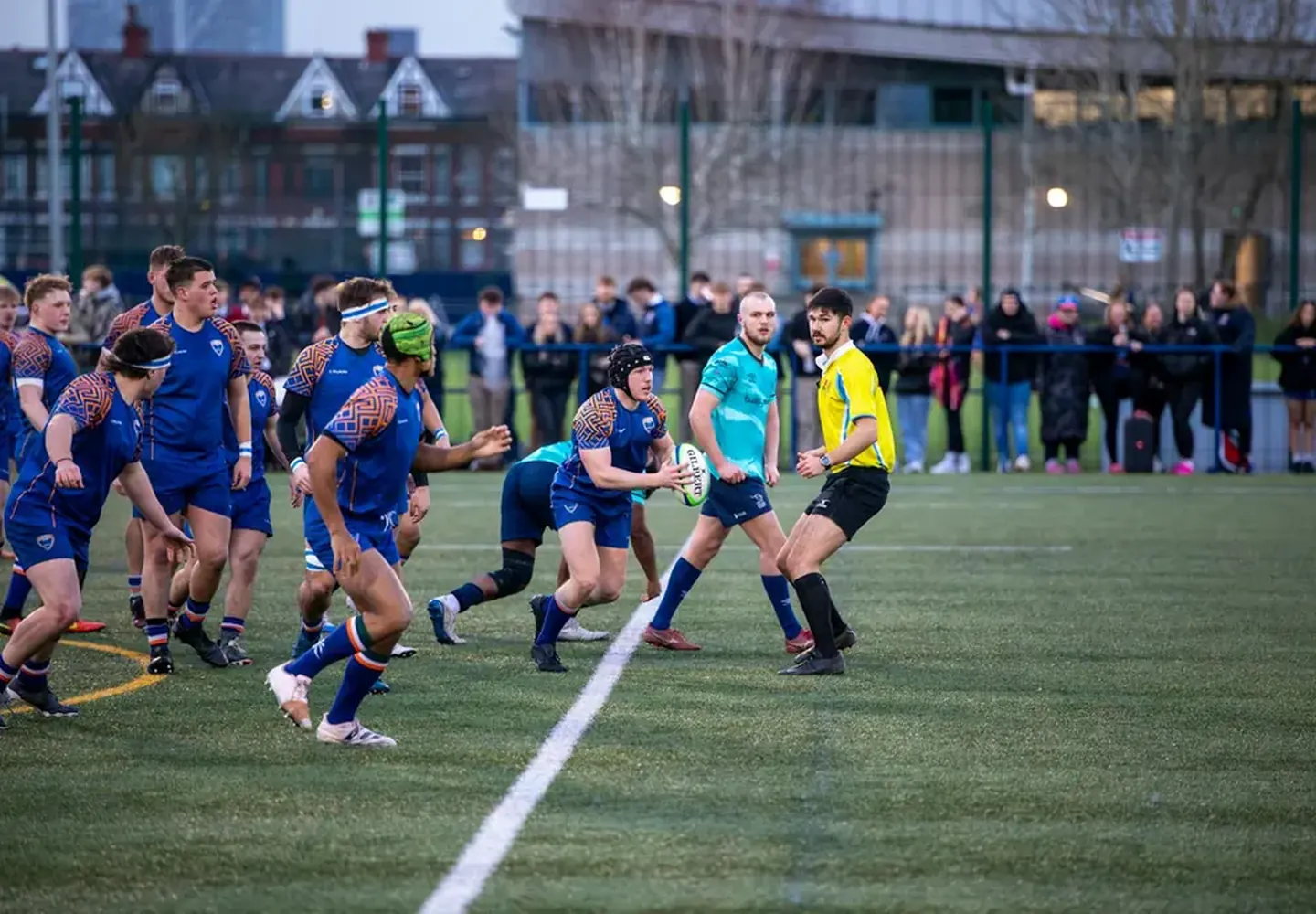
Step 4: Recognise Obstruction and Shepherding
This one confuses a lot of new fans. It’s about blocking or interfering with a defender who doesn’t have the ball.
What to look for:
- Obstruction in attack – An attacker runs a blocking line to stop a defender from making a tackle. If they make contact with the defender, it’s a penalty. The classic example is a decoy runner who runs into the defender.
- Shepherding – A player with the ball uses their body or arm to push or block a defender. This is illegal. The ball carrier must fend with an open hand, not a stiff arm.
- Running behind a teammate – If a ball carrier runs directly behind their own player to shield themselves, that’s obstruction.
Step 5: Understand the Forward Pass and Knock-On
These are technical penalties that stop play immediately.
What to look for:
- Forward pass – The ball must travel backwards or sideways from the passer’s hands. If it goes forward, it’s a penalty. Refs look at the passer’s hands, not the ball’s trajectory.
- Knock-on – If a player drops the ball forward or loses control while trying to catch or pick it up, it’s a knock-on. The other team gets the ball.
- Deliberate knock-down – If a player intentionally knocks the ball forward or down to stop a pass, it’s a penalty. This is different from a normal knock-on.
Step 6: Learn the Scrum and Ruck Offences
The scrum is rare in modern rugby league, but it still has rules. The ruck is the main battleground.
What to look for:
- Scrum feed – The team with the feed must put the ball in straight. If they don’t, the ref can penalise or reset.
- Scrum collapse – Players must not intentionally bring the scrum down. This is dangerous and penalised.
- Ruck interference – Any player not involved in the tackle who tries to play at the ball or interfere with the play-the-ball gets penalised.
- Hands in the ruck – A defender cannot put their hands on the ball while the tackled player is trying to play it. This is a common penalty for forwards.
Step 7: Identify Dissent and Professional Fouls
These are about player behaviour and game management.
What to look for:
- Dissent – Arguing with the referee, swearing, or showing disrespect. This usually results in a penalty and sometimes a sin bin.
- Professional foul – A deliberate infringement to stop a try or break up play. For example, holding a player back when they’re about to score. This often leads to a penalty and a sin bin.
- Time-wasting – Taking too long to play the ball, or delaying the restart. Refs will penalise if it’s obvious.
Step 8: Know the Goal-Line and In-Goal Area Rules
These penalties happen near the try line and can decide games.
What to look for:
- Drop-out infringement – If the defending team fails to kick the ball past the 10-metre line from a drop-out, it’s a penalty.
- Goal-line dropout – If the attacking team is held up over the line or knocks on in the in-goal, the defending team gets a dropout.
- Short drop-out – If the kicking team doesn’t kick the ball 10 metres, it’s a penalty. This is a common tactic but risky.
- Obstruction in the in-goal – Blocking a defender from making a tackle or catching a kick in the in-goal area.
Step 9: Understand the Ruck Speed and Six-Again Rule
This is a modern rule that’s changed how the game is played.
What to look for:
- Slow ruck – If the defending team is deliberately slowing the play-the-ball, the ref can call “six again” instead of a penalty. This gives the attacking team a fresh set of six tackles.
- Wrestling in the tackle – Holding a player down or twisting them to slow the ruck. If it’s excessive, it’s a penalty or six again.
- Third-man in – A defender who enters a tackle late to slow the ruck can be penalised.
Step 10: Review the Match and Learn from Replays
The best way to learn is to watch a full game and note every penalty.
What to do:
- Watch a game live or on replay – Pick an NRL game.
- Note each penalty – Write down the time, the team, and the type of penalty.
- Check the commentary – Listen to what the commentators say. They often explain why a penalty was called.
- Replay key moments – If you’re watching on TV, rewind and watch the penalty again. Look for the specific infringement.
- Compare with this checklist – See how many penalties you identified correctly.
Pro Tips and Common Mistakes
Pro tips:
- Focus on the ruck – Most penalties happen here. If you understand the ruck, you understand half the game.
- Watch the markers – They’re often the ones giving away offside or hands-in-the-ruck penalties.
- Learn from disciplined teams – Watch sides known for their structure. Their discipline is a masterclass in avoiding penalties.
- Use the six-again rule – If you’re a coach, teach your players to push for quick rucks. It forces the other team into penalties.
- Confusing forward pass with knock-on – A forward pass is about the passer’s hands. A knock-on is about dropping the ball forward.
- Thinking all high tackles are sin bins – Accidental head contact might only be a penalty. Intentional or forceful contact leads to more.
- Ignoring the ten-metre rule – Defenders often creep forward. Refs are watching for this.
- Arguing with the ref – It never helps. It only gives away more penalties.
Checklist Summary
Here’s your quick reference list of common penalties in rugby league:
- Ruck infringement (not releasing, playing at the ball, flop)
- Offside (kick chase, marker, ten-metre)
- High tackle or dangerous contact
- Obstruction or shepherding
- Forward pass or knock-on
- Scrum or ruck offences
- Dissent or professional foul
- Goal-line or in-goal infringements
- Slow ruck or six-again rule
- Review a full game to practice
Want to go deeper? Check out our guide on key-player-positions to see how each position can avoid common penalties, or our junior-footy-modifications for age-appropriate rule changes.
Happy watching, and see you at the footy!
Reader Comments (6)