

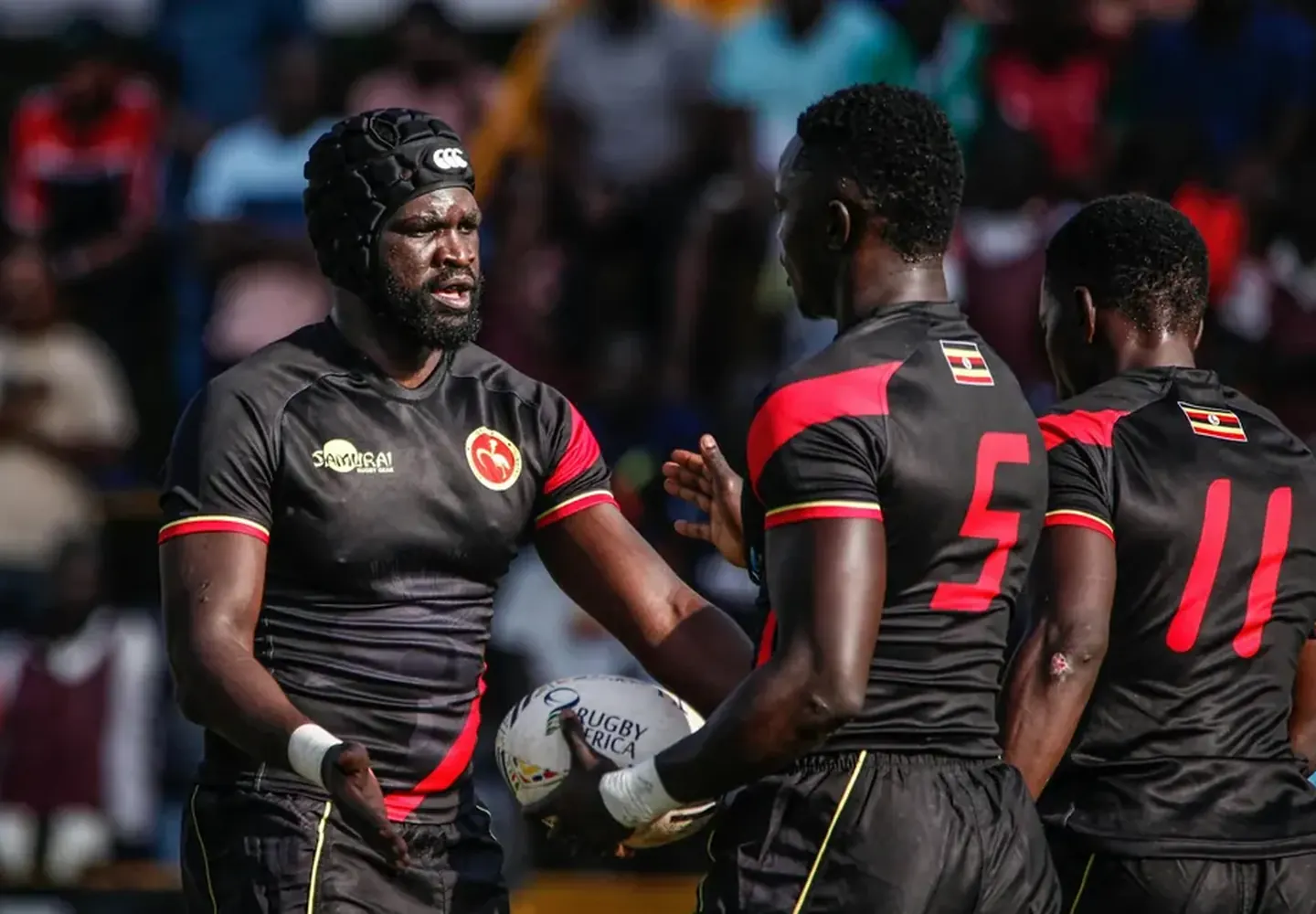
Every premiership-winning side has one thing in common: the ability to win the contested ball. Whether you're a grassroots player looking to improve your game, a coach seeking to drill your side, or a fan wanting to understand what separates the best from the rest, mastering contested ball clearance is non-negotiable.
In this guide, you'll learn a practical, step-by-step process to dominate the hard ball gets. We'll break down the mechanics, the mindset, and the team structures that turn a loose ball into a scoring opportunity. By the end, you'll have a clear checklist to apply at training or on game day.
What You Need
Before we dive into the steps, ensure you have the following:
- A football (standard size)
- Cones or markers to simulate defenders
- A training partner or team (minimum 2-3 players for realistic drills)
- A clear space (approximately 20m x 20m)
- Notebook and pen (to track progress and common mistakes)
- Water and appropriate gear (for safety)
- Qualified coaching supervision if working with children or in a club setting
Step-by-Step Process: Winning the Contested Ball
Step 1: Read the Play Before the Ball Arrives
The best contested ball winners don't wait for the ball to arrive. They anticipate where it will land and what the opposition will do.
How to do it:
- Watch the kicker's body language. Is it a high bomb, a grubber, or a clearing kick?
- Identify the flight path. If it's a high ball, track its trajectory. If it's a loose ball on the ground, predict the bounce.
- Scan the defenders. Who is in your immediate vicinity? Are they front-on or coming from the side?
- Communicate with your teammates. Call "mine" or "yours" to avoid collisions.
Step 2: Position Your Body for Maximum Advantage
Once you've read the play, your body position determines whether you win or lose the contest.
How to do it:
- For high balls: Plant your outside foot and drive your inside shoulder towards the ball. Keep your eyes on the ball, not the defender.
- For ground balls: Drop your centre of gravity by bending your knees. Get low, with your hands out in front of you, palms facing the ball.
- For loose carries: If a teammate is tackled and the ball spills, immediately square up to the ball, not the opposition. This gives you a balanced base to react.
Pro tip: Watch how experienced forwards use their body as a shield. They present their back to the defender while keeping their eyes on the ball. This creates a barrier that's hard to get through.
Step 3: Engage the Defender on Your Terms
You don't want to be a passive receiver. You want to dictate the contest.
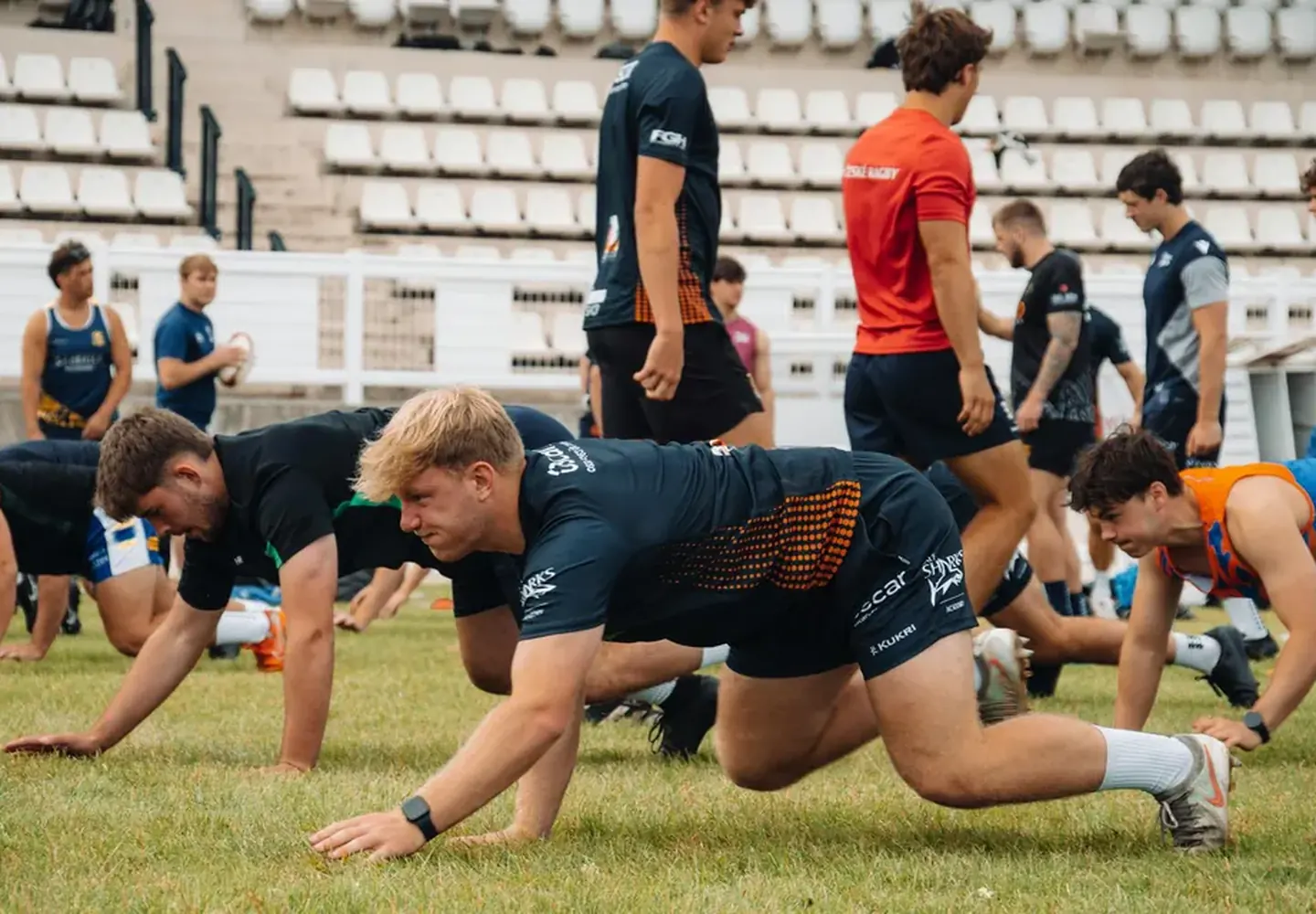
How to do it:
- Initiate contact first. Step into the defender's space, not away from it. A small step forward forces them to brace, giving you a split-second advantage.
- Use your hands. If the ball is in the air, get your hands up early. If it's on the ground, rake it towards your body before the defender can get a hand in.
- Create separation. A quick shoulder feint or a slight change of direction can unbalance the defender. Use this to buy time.
Step 4: Secure the Ball with Two Hands
This sounds basic, but it's the most common point of failure. Players often try to catch or scoop one-handed, leading to knock-ons or turnovers.
How to do it:
- For high balls: Form a diamond with your thumbs and index fingers. Catch the ball at its highest point, then immediately tuck it into your chest.
- For ground balls: Scoop with both hands simultaneously. Don't try to pick it up with one hand and then transfer—this wastes time and increases the chance of error.
- For contested scrums or rucks: If you're the ruckman or rover, use your body to shield the ball while your hands secure it against your sternum.
Pro tip: In wet conditions, experienced players often use a "palm-down" technique for ground balls. Instead of scooping upward, they press the ball into the turf with their palms, then roll it back into their body. This prevents the ball from squirting away.
Step 5: Protect the Ball in the Contact Zone
Once you've secured the ball, the battle isn't over. Defenders will target the ball to strip it.
How to do it:
- Tuck the ball under your armpit. The elbow should be pointing backward, not outward. This makes it harder for defenders to reach around.
- Keep your body between the ball and the defender. If a defender is on your left, the ball should be on your right. Use your shoulder as a barrier.
- Drive your legs. Even after securing the ball, continue moving forward. Static players are easier to tackle and strip.
Step 6: Make the Quick Decision—Pass or Run
Winning the contested ball is only valuable if you follow it with the right play.
How to do it:
- Scan for support. As you secure the ball, quickly check your peripherals. Is a teammate in space? If yes, pass immediately.
- If no support, run. Hit the line at pace. Even a few metres forward creates momentum for your team.
- If isolated, go to ground. Sometimes the smartest play is to take the tackle and allow your team to reset. Don't force a pass that will be intercepted.
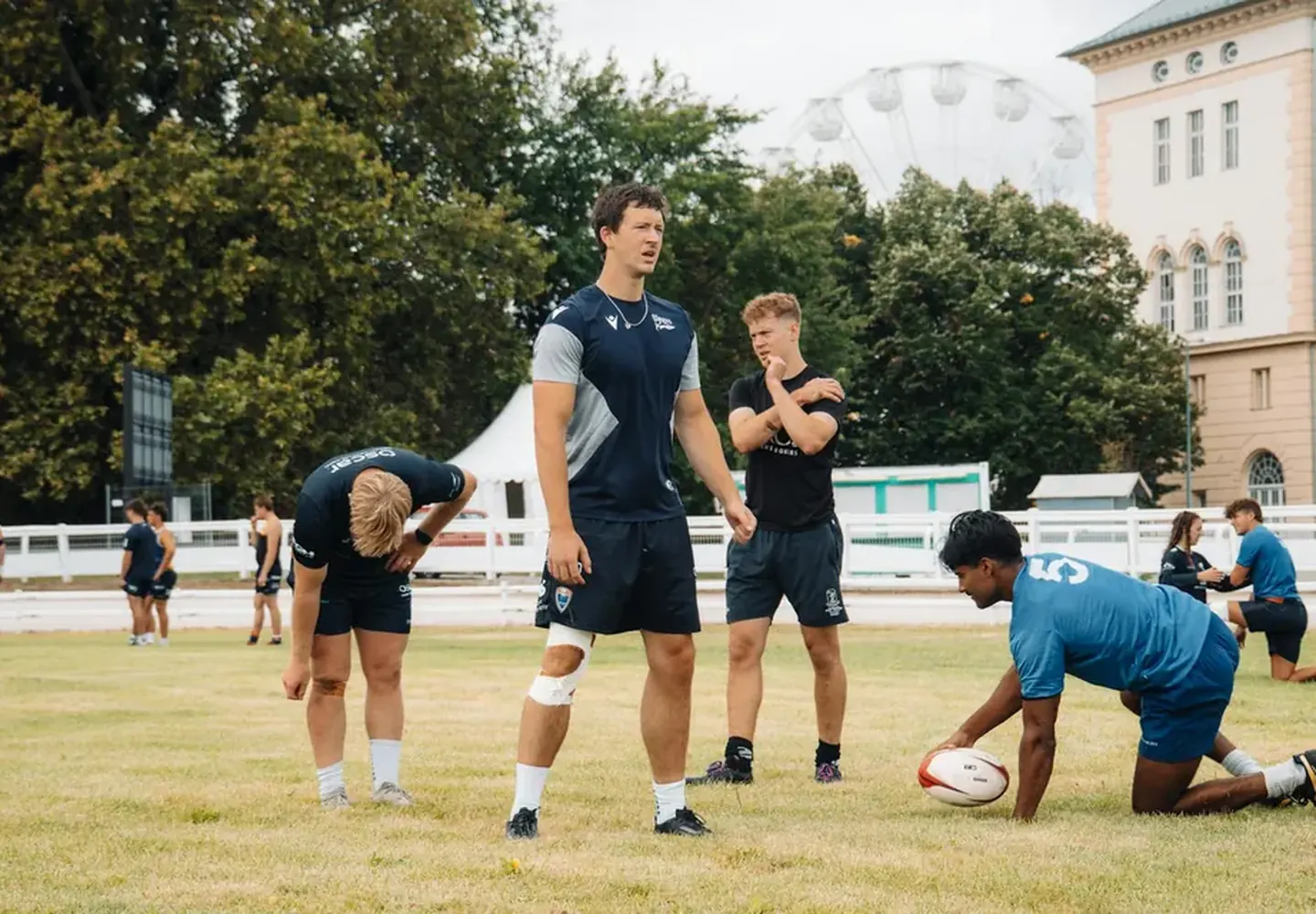
Step 7: Communicate and Reset
Contested ball clearance is a team effort. Even if you win the ball, your team needs to be in position to capitalise.
How to do it:
- Call for support. Shout "left" or "right" to direct your teammates to where you'll pass or run.
- After the play, reset quickly. Get back onside and into your defensive line. A won contested ball means nothing if you concede a free kick or a break on the next play.
- Debrief with your teammates. After each contested ball, have a quick word: "I was late on that one" or "You had the space." Continuous improvement is key.
Pro Tips for Advanced Players
- Study the opposition: Before a match, identify which defenders are weak under the high ball. Target them repeatedly.
- Train in different conditions: The ball behaves differently on wet grass, dry turf, or synthetic surfaces. Practice contested ball drills in all conditions.
- Use your voice: A simple "mine" can prevent a collision with a teammate. At the elite level, communication is as important as technique.
- Build your core strength: Contested ball winning relies heavily on your core. A strong core allows you to absorb contact while keeping your upper body stable. Include planks, Russian twists, and medicine ball throws in your training.
- Watch the best: Study elite players' technique under the high ball. Notice how they time their jump, use their body as a shield, and always secure the ball before looking for an offload.
Common Mistakes to Avoid
| Mistake | Why It Happens | How to Fix It |
|---|---|---|
| Taking eyes off the ball | Looking at the defender or the goal line | Train with blindfold drills (under supervision) to build trust in your spatial awareness |
| One-handed catches | Rushing or overconfidence | Always use two hands, even in training |
| Standing upright | Fatigue or poor technique | Do low-catch drills repeatedly until it becomes habit |
| Holding the ball too long | Panic or indecision | Practice decision-making drills with a time limit (2 seconds) |
| Not communicating | Assuming teammates know your intentions | Make "mine" and "yours" part of every drill |
Checklist Summary: Contested Ball Clearance
Use this checklist before and during every training session or match.
- Read the play before the ball arrives (track trajectory, identify defenders)
- Position your body low and wide, with a balanced base
- Engage the defender first with a step or shoulder feint
- Secure the ball with two hands (diamond for high balls, scoop for ground balls)
- Protect the ball by tucking it and keeping your body between it and the defender
- Make a quick decision (pass, run, or go to ground) within two seconds
- Communicate with teammates before, during, and after the contest
- Reset quickly into your defensive line or attacking structure
- Debrief with teammates after each contested ball situation
- Review footage of your performance to identify areas for improvement
Final Word
Winning the contested ball is not about luck. It's about preparation, technique, and mindset. Whether you're a junior player, a coach, or a fan who wants to understand the game better, these steps will give you the tools to dominate the hard ball gets.
Remember: the best contested ball winners are not the biggest or the fastest. They are the ones who read the play, position themselves correctly, and make the right decision under pressure. Train these steps consistently, and you'll see the difference on game day.
For more match tactics and positional guides, check out our articles on defensive press breakdown and forward press tactics.
Train hard, compete harder.
Reader Comments (0)