


In the modern era of Australian rules football, the battle for territorial supremacy has evolved into a sophisticated chess match of positioning, foot speed, and precision disposal. While the game has long celebrated the high-flying mark and the booming 60-metre goal from the boundary, the most effective and consistent path to scoring remains the most direct one: the corridor. This comprehensive guide explores the tactical nuances of corridor attack, examining how elite AFL and AFLW sides manipulate the middle third of the ground to generate scoring opportunities, control tempo, and break down even the most disciplined defensive structures.
Understanding the Corridor: More Than Just the Centre Square
To appreciate corridor attack, one must first define what the corridor represents in Australian rules football. The corridor is not merely the centre square or the area between the two 50-metre arcs; it is the longitudinal band running from goal to goal, approximately 40 to 50 metres wide, that sits between the two flanks. This zone is the most direct route from defensive 50 to attacking 50, and it offers the shortest path to goal.
Why does the corridor matter so profoundly? The geometry of the oval-shaped ground dictates that a ball moving through the middle travels a shorter distance to the scoring end than one channelled along the boundary. Moreover, the corridor provides superior angles for both kicking and handballing. A player receiving a pass in the corridor has multiple options: they can drive forward, switch play to either flank, or lower their eyes for a leading forward. In contrast, a player pinned to the boundary has limited vision and fewer viable targets.
The Defensive Counterpoint
Defensive coaches have long recognised the danger of the corridor. Consequently, modern defensive systems—most notably the flood and the zone defence—are designed specifically to clog the middle third. Teams will often concede ground on the flanks to protect the corridor, funnelling attacking sides into less dangerous areas. This creates a fundamental tension: the attacking side must find a way to penetrate the corridor without being turned over in transition, while the defending side must balance its desire to protect the middle with the risk of leaving space elsewhere.
The Evolution of Corridor Attack in the Modern Game
The corridor has not always been the preferred avenue for attack. In the early decades of Australian rules football, the game was played predominantly along the wings, with long, high kicks targeting leading full-forwards. The corridor was often a congested zone, used primarily for centre bounces and stoppages.
The tactical shift began in the late 1990s and accelerated through the 2000s, as teams adopted more sophisticated pressing and zoning defences. Coaches realised that the quickest way to break a press was through the middle. As the game evolved, teams adapted their training methods and game plans to prioritise corridor transitions.
Today, the corridor is the central battleground of the modern game. Teams that can efficiently move the ball through the middle—whether through precise kicking, overlap handball chains, or explosive running from stoppages—tend to dominate the scoreboard. Conversely, teams that are forced wide often struggle to generate clean inside-50 entries and rely on low-percentage shots from acute angles.
Key Principles of Effective Corridor Attack
1. Spacing and Structure
The foundation of any corridor attack is optimal spacing. Players must position themselves to create passing lanes while maintaining enough separation to avoid being picked off by interceptors. The ideal structure sees three to four players positioned in the corridor at varying depths: one or two as the primary ball-carriers, one as a lead-up option, and one as a deep target or crumber.
Spacing is particularly critical when transitioning from defence. A common error is for defenders to push too high up the ground, compressing the corridor and leaving no room for the ball-carrier to kick or handball. The best sides maintain a diamond or triangular shape, ensuring that the ball-carrier always has at least two viable options—one short and one long.
2. Speed of Ball Movement
Corridor attack is predicated on speed—not merely running speed, but the speed at which the ball moves from player to player. Quick, sharp handballs that release the ball-carrier into space are essential. So too are low, driving kicks that hit a teammate on the chest at pace, rather than high, looping kicks that allow defenders to sag back and intercept.
The modern game rewards teams that can move the ball through the corridor in three or fewer disposals. The longer the ball remains in the corridor, the greater the chance that the defending side can collapse its numbers and force a stoppage or turnover. Effective corridor attacks therefore rely on decisive decision-making and clean execution under pressure.
3. Overlap and the Third-Man Up
The overlap run is a hallmark of elite corridor attack. This involves a player running from behind the ball-carrier to receive a handball and immediately drive forward, creating a numerical advantage. The overlap not only generates momentum but also forces defenders to make difficult choices: do they step up to meet the new ball-carrier, or do they hold their position and risk being run around?
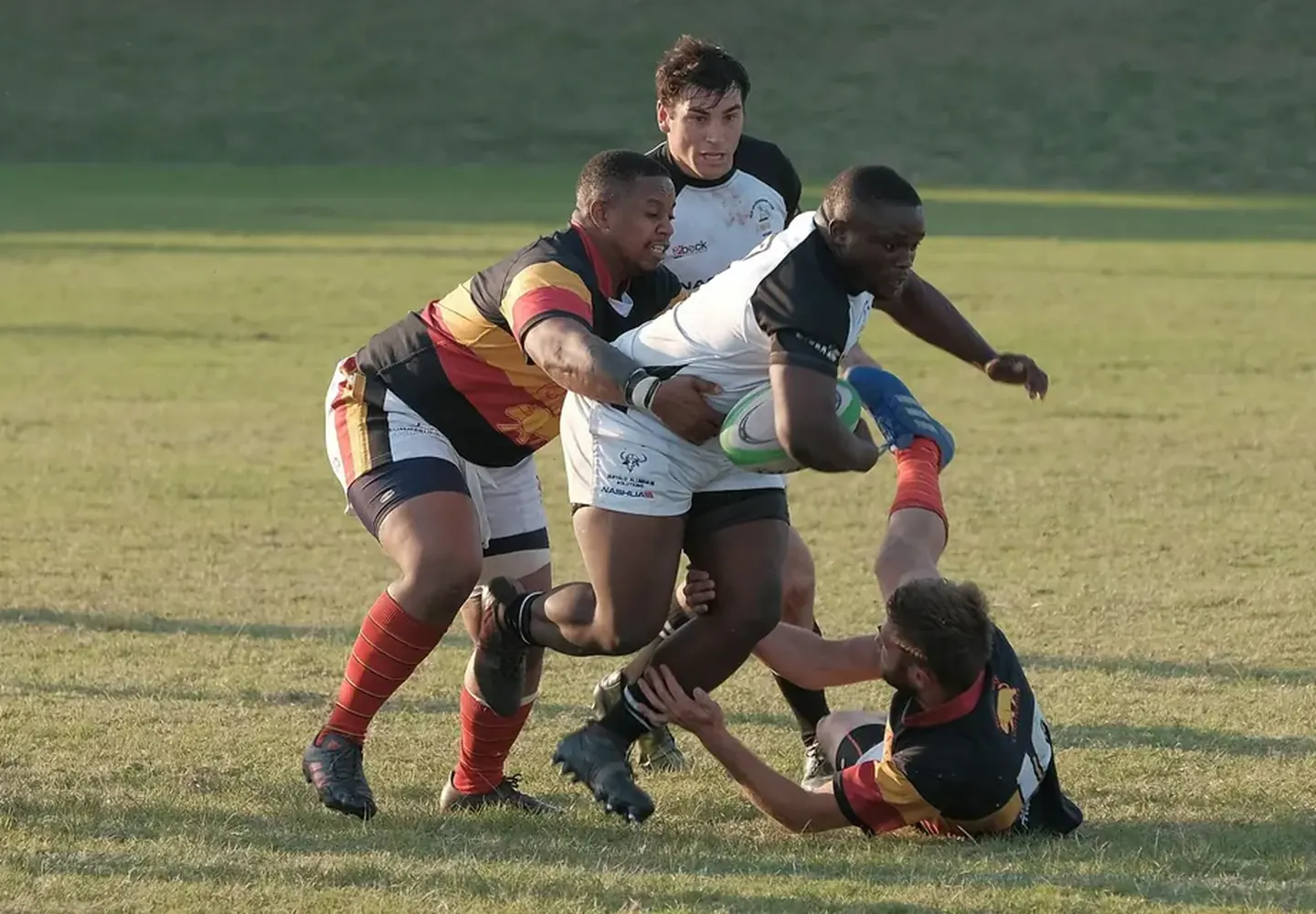
The third-man up—a concept borrowed from rugby league but adapted to Australian rules—refers to a player arriving late to a contest to either receive a knock-on or provide a shepherd. In the corridor, this player can be devastating, as they often find themselves in space with time to assess options.
4. Decision-Making Under Pressure
Perhaps the most underrated aspect of corridor attack is the cognitive load it places on the ball-carrier. In the corridor, there is no boundary line to provide a safety net. A poor kick or a fumbled handball can result in a turnover that leads directly to a goal at the other end. Players must therefore possess excellent spatial awareness and the composure to choose the correct option under duress.
Players who have mastered the corridor attack demonstrate a remarkable ability to hold the ball for an extra split-second, drawing the defender before releasing a perfectly weighted pass. This patience is what separates good corridor attacks from great ones.
Practical Examples: How Corridor Attack Unfolds on Match Day
From the Centre Bounce
The centre bounce is the most obvious starting point for a corridor attack. The ruckman's primary objective is to tap the ball to a rover who can burst through the corridor. Once the rover gathers, they have a split second to assess: is there a handball option to a running teammate? Can they take two or three steps and launch a long kick to a leading forward?
Effective centre-bounce attacks often involve a quick chain of handballs that move the ball from the stoppage area to a player with momentum. This player then has the option to kick long to the corridor or switch to the opposite flank, depending on the defensive setup.
From Defensive 50
Corridor attacks originating from defensive 50 require exceptional composure. The defending team must first win the ball—either through a mark, a ground-ball gather, or a free kick—and then quickly assess the positioning of the opposition's forward press.
The first disposal from defensive 50 is critical. A long, high kick to the wing often results in a contest, which can be won or lost. A better option is often a short, precise kick to a player stationed in the corridor at half-back. This player can then either drive forward or switch the play to the opposite side, forcing the opposition to reset its defensive structure.
The corridor attack from defence is most effective when the defending team can create a numerical advantage at the point of transition. This is achieved by having one or two players push up from the backline to create an extra option, while the forwards lead back towards the ball to provide a target.
Into Forward 50
The final stage of the corridor attack—entry into forward 50—is the most difficult. Defences are most compressed in this zone, with spare players in the hole and defenders guarding the space in front of leading forwards.
The most effective corridor entries involve kicking to a leading forward who can mark or bring the ball to ground. The kick should be low and hard, hitting the forward on the chest at the top of their lead. Alternatively, a high, long kick to the top of the square can be effective if the forward line has the height to compete.
Once the ball hits the ground, the corridor attack becomes a contest of crumbers and pressure players. The forward line must be structured to create space for crumbers to run onto the loose ball, while the midfielders push forward to lock the ball in and generate repeat entries.
Common Mistakes in Corridor Attack
Overcommitting Numbers
One of the most common errors in corridor attack is overcommitting players to the middle. While the corridor is the most direct route to goal, it is also the most congested. If too many players flood the corridor, they can get in each other's way, creating confusion and reducing the space available for ball movement.
The best sides maintain a balance: three or four players in the corridor, with the remainder spread across the flanks to provide width and switching options. This balance ensures that the corridor remains a viable attacking avenue without becoming a traffic jam.
Ignoring the Switch
Another common mistake is becoming fixated on the corridor to the exclusion of all else. Good defences will anticipate a corridor attack and set up to block it. In such cases, the attacking side must be willing to switch play—moving the ball laterally across the ground to create a new angle of attack.
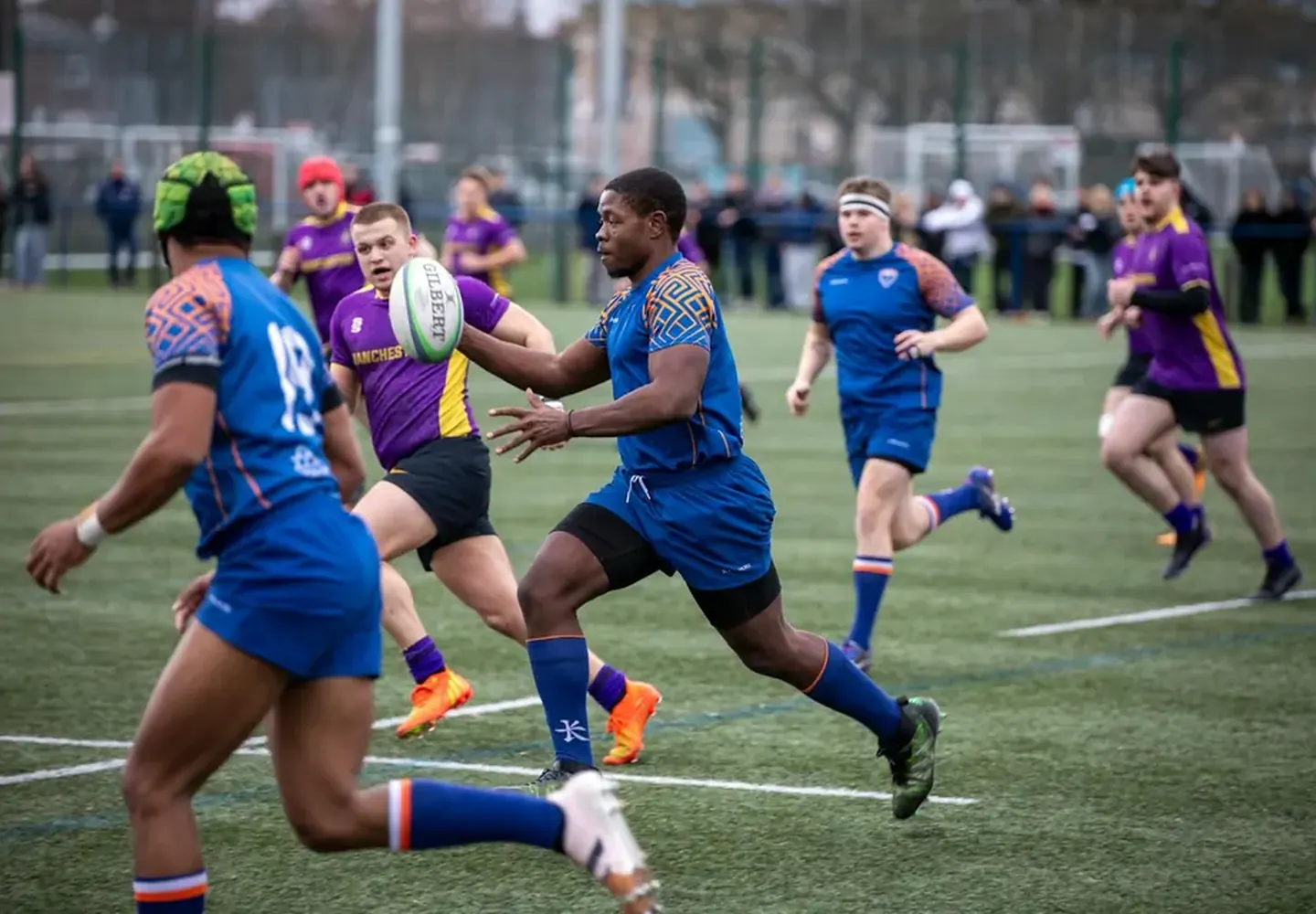
The switch can be devastating when executed correctly. By moving the ball from one flank to the other, the attacking side forces the defence to shift its entire structure, creating gaps and mismatches. The switch also allows the attacking side to reset its spacing and find a better corridor entry.
Poor Foot Skills
Corridor attack demands high-level foot skills. Kicks must be precise, low, and weighted correctly. Handballs must be crisp and directed to the chest or hands of the receiver. Any deviation from these standards invites intercept marks or ground-ball turnovers.
Teams that cannot consistently hit targets in the corridor should consider alternative attacking strategies. The corridor is unforgiving of poor disposal; a single turnover in the middle can result in a goal at the other end within seconds.
The Role of the Ruckman in Corridor Attack
The ruckman is often the unsung hero of corridor attack. At centre bounces and stoppages, the ruckman's tap work determines whether the midfield can generate a clean corridor entry. A tap that goes to the outside of the contest allows the rover to run onto the ball with momentum, while a tap that goes straight down the throat of an opponent can kill the attack before it begins.
Modern ruckmen are also expected to contribute after the tap. Many of the best ruckmen in the competition possess excellent ground-level skills and can act as an extra midfielder in the corridor. They can also provide a marking target up the ground, allowing the midfield to kick long to a contest and then swarm the drop zone.
Defending the Corridor: A Counterpoint
While this guide focuses on attacking the corridor, it is worth understanding how defences counteract this approach. The most common defensive strategy is the zone, in which defenders are assigned specific areas of the ground rather than specific opponents. The zone is designed to protect the corridor by having multiple defenders positioned in the middle, ready to intercept or pressure any ball that enters.
Another defensive tactic is the press, in which the entire team pushes up the ground to compress the space in the corridor. The press forces the attacking side to either kick long over the top (which can be intercepted by a spare defender) or go wide (which reduces the danger of the attack).
The most effective defences are those that can switch between zone and man-on-man coverage depending on the situation. This versatility makes it difficult for attacking sides to establish a rhythm in the corridor.
Training the Corridor Attack
Developing a corridor attack requires dedicated training time. Drills should focus on:
- Spacing and positioning: Players must learn to recognise when the corridor is open and when it is clogged. Drills that simulate game-like defensive structures are essential.
- Handball chains under pressure: Quick, sharp handballs that release the ball-carrier into space are the lifeblood of corridor attack. Drills should emphasise clean execution and rapid decision-making.
- Kicking to leading targets: The corridor is only as good as the kicks that enter it. Forwards must practice leading into the corridor and marking under pressure, while midfielders must practice hitting those leads.
- Transition from defence: The most dangerous corridor attacks often start in the defensive 50. Drills that simulate defensive rebound and quick transition are critical.
Conclusion: The Corridor as a Weapon
The corridor is not merely a geographical zone on the ground; it is a tactical philosophy. Teams that commit to attacking the corridor embrace risk, speed, and precision. They accept that turnovers in the middle are dangerous, but they believe that the rewards—quick goals, momentum, and control of the game—are worth the risk.
For fans and aspiring coaches, understanding corridor attack is essential to appreciating the modern game. It is the difference between a team that struggles to score and a team that can dismantle even the most stubborn defence. Whether you are watching from the stands, analysing from the couch, or coaching at the grassroots level, the corridor is where the game is won and lost.
If you found this guide useful, explore our other tactical resources, including match tactics, handball strategies, and zone defence vs man coverage. Each of these guides builds on the principles discussed here, offering deeper insights into the beautiful complexity of Australian rules football.
Reader Comments (0)