


If you’ve ever watched a footy match and wondered how the best defences seem to swallow up space and force turnovers, you’ve witnessed the art of defensive sliding. It’s not flashy. It doesn’t make the highlight reels. But it’s the backbone of modern team defence in Australian rules football.
When a side slides well, they compress the ground. They make the opposition feel like there’s no room to breathe. They turn a 50-metre kick into a 30-metre chip, and a fast break into a contested stoppage. For fans, understanding defensive sliding is like learning the secret language of the game. For players and coaches, it’s non-negotiable.
This guide will walk you through what defensive sliding is, why it matters, how it’s executed, and how you can spot it at the ground or on the telly. Let’s slide in.
What Is Defensive Sliding?
Defensive sliding is the coordinated lateral movement of a team’s defensive unit—usually the back six or seven—to cover ground as the ball moves across the ground. Unlike man-on-man defence where each player sticks to an opponent, sliding is about protecting space and forcing the ball carrier into less dangerous areas.
Think of it like a curtain. The defenders shift left or right in unison, maintaining their shape and depth. If the ball moves from the left wing to the right flank, the entire defensive line slides across. The goal is to keep the ball in front of them and prevent easy entries inside 50.
In a sliding defence, communication is king. If one defender drifts too early or too late, the whole structure can collapse. That’s why the best sliding teams look like they’re moving on a string.
Why Sliding Matters More Than Ever
Modern footy is faster than ever. With the introduction of the 6-6-6 structure at centre bounces and the emphasis on ball movement, defences can’t just sit back and wait. They have to react. They have to cover ground.
Sliding allows a defence to:
- Reduce space for the opposition. When defenders slide, they compress the corridor. That forces attacking players wide, where kicks are harder to hit and marks are tougher to take.
- Create turnovers. By cutting off passing lanes and pressuring the ball carrier, sliding defences generate intercept marks and ground-ball wins.
- Protect the corridor. The middle of the ground is where scores come from. A good slide funnels play to the boundary, where the risk of a goal is lower.
- Manage fatigue. Sliding is less energy-intensive than chasing an opponent across the ground. It’s about positioning, not pursuit.
The Mechanics of a Good Slide
So how does it actually work? Let’s break it down.
1. Starting Position
Before the ball enters the defensive half, the back six set up in a zone. Typically, they’re positioned about 20-30 metres apart, with the fullback sitting deepest. The key is depth: if the line is too high, they’ll get burned over the top. Too deep, and the opposition can waltz in.
2. Reading the Play
As the ball moves across the ground, defenders must read the kick. Is it long? Short? To the left? To the right? The slide begins the moment the ball is in flight. Defenders shift laterally, keeping their eyes on the ball and their bodies between the ball and the goal.
3. Maintaining Structure
This is the hardest part. As defenders slide, they must maintain their relative positions. If the left half-back flanker slides 10 metres, the centre half-back must slide 10 metres too. Otherwise, gaps appear.
4. The Trigger
When the ball is kicked inside 50, the slide becomes a sprint. Defenders close down the space, but they don’t fly for the mark unless they’re certain. Instead, they hold their ground, ready to impact the contest or pick up the crumb.

5. Recovery
If the ball is cleared, the defence must slide back the other way. This is where fitness and discipline come in. A good slide is a two-way movement.
Sliding vs. Man-on-Man Defence
You might be thinking: “Why not just stick to your man?” Good question. Man-on-man defence has its place, especially in wet conditions or when the opposition has a dominant key forward. But in dry, fast footy, man-on-man can leave you exposed.
Here’s a quick comparison:
| Aspect | Sliding Defence | Man-on-Man Defence |
|---|---|---|
| Space | Compresses space | Can create space if opponent runs |
| Accountability | Team-based | Individual |
| Risk | Gaps if communication fails | One-on-one mismatches |
| Turnovers | High if intercepts occur | Lower, more reactive |
| Fatigue | Lower (positional) | Higher (chasing) |
Most modern defences use a hybrid. They slide as a unit but peel off to pick up dangerous opponents when needed. The best teams know when to switch.
Spotting Good Sliding at the Game
Next time you’re at the ground, watch the defensive unit when the ball is on the opposite wing. Are they moving as one? Are they talking? Do they look like they’re on a string?
Here’s what to look for:
- Body language. Defenders in a good slide have their heads on a swivel. They’re constantly checking the ball and their teammates.
- Arm signals. You’ll see defenders pointing and waving. That’s communication. It’s telling the next player where to slide.
- Depth. A good slide keeps a consistent distance from the goal line. If the line gets too high, the opposition will kick over the top.
- Recovery speed. When the ball is turned over, how fast do the defenders get back? A great slide isn’t just about going sideways; it’s about resetting quickly.
Common Mistakes in Defensive Sliding
Even the best defences get it wrong sometimes. Here are the most common errors:
Ball-Watching
When defenders focus only on the ball, they lose their structure. They drift too far, leaving gaps behind. The best defenders keep one eye on the ball and one eye on their teammates.
Over-Commitment
If a defender slides too early or too aggressively, they can leave their opponent free. Patience is key. Slide with the ball, not before it.
Lack of Communication
A silent defence is a broken defence. If players aren’t calling out switches, slides, and danger, the structure falls apart.
Flat-Footedness
Sliding requires constant movement. If a defender stops and plants their feet, they become a statue. The game moves too fast for that.
Drills to Improve Sliding
If you’re coaching a local or junior side, here are some simple drills to build sliding skills:
The Cone Slide
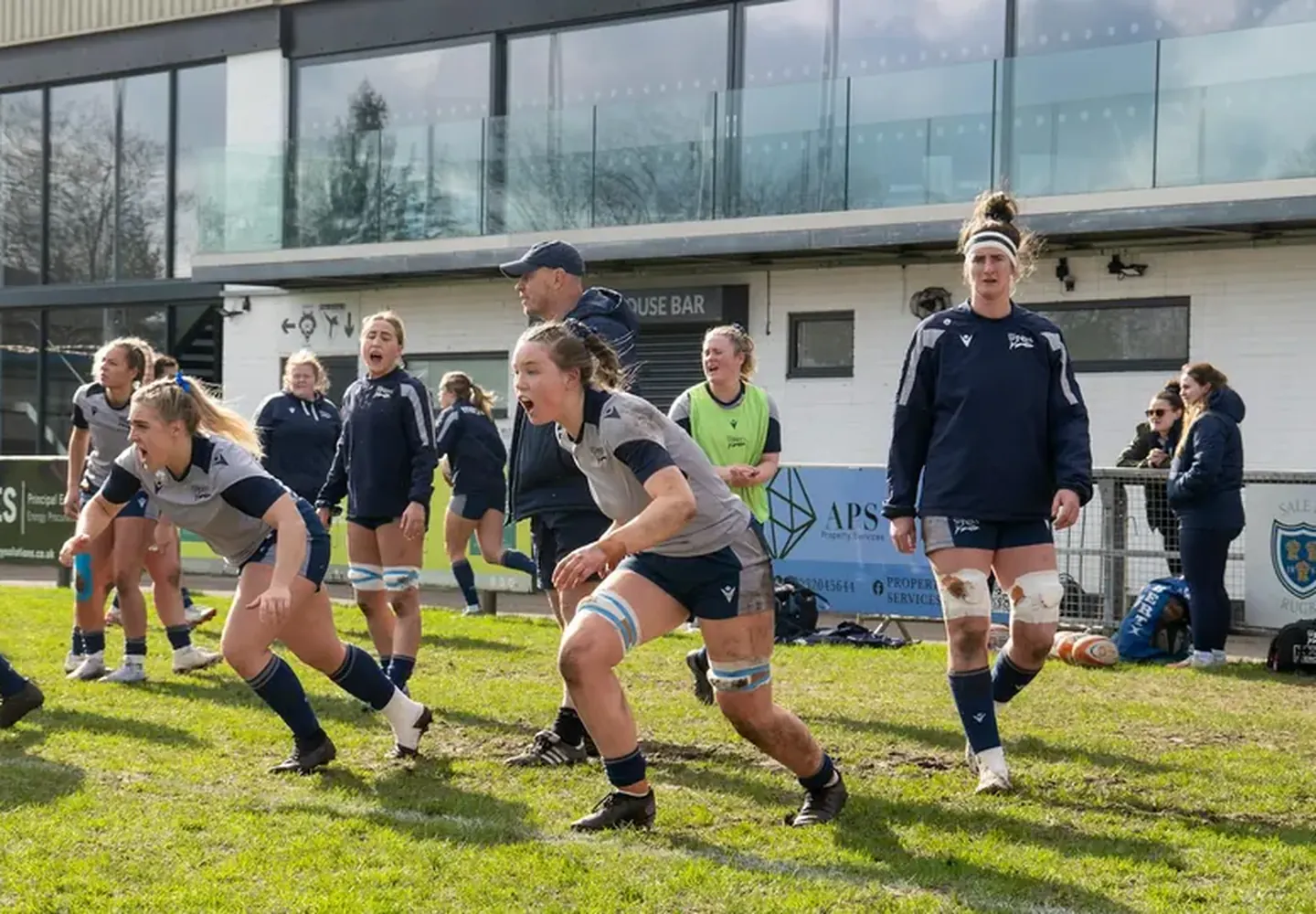
Set up cones 10 metres apart across the width of the ground. Have defenders start at one end and slide across, staying behind the line of cones. Focus on maintaining depth and spacing.
The Mirror Drill
Pair up defenders. One leads the slide left and right; the other mirrors the movement. This builds awareness and coordination.
The Overload Drill
Set up a 5-on-3 situation in the defensive half. The attacking team moves the ball quickly; the defending team must slide to cover space. This teaches defenders to prioritise position over opponent.
The Recovery Drill
Start with the ball on one wing. Defenders slide across. Then, simulate a turnover and have them sprint back to the opposite side. This builds fitness and recovery habits.
Sliding in Different Conditions
Not all games are played on a dry deck. Sliding changes in wet or windy conditions:
- Wet weather. The ball is slippery and slower. Defenders can slide a little tighter, knowing the ball won’t travel as far. But they must be careful of ground balls.
- Windy conditions. The ball can hold up or drift. Defenders need to adjust their depth. If the wind is behind the kicker, slide deeper. If it’s against them, push higher.
- Night games. Dew can make the ground slick. Sliding is still effective, but defenders must be careful not to overrun contests.
The Mental Side of Sliding
Defensive sliding isn’t just physical. It’s mental. It requires trust, discipline, and a team-first mindset.
- Trust. You have to trust that your teammates will cover their zones. If you slide, they must slide with you.
- Discipline. It’s tempting to chase a loose ball or fly for a mark you can’t reach. But discipline means staying in structure.
- Patience. Not every ball will be intercepted. Sometimes, the slide is about forcing a bad kick or a rushed disposal. That’s a win.
Sliding at the Elite Level
Let’s look at how elite teams have used sliding effectively over the years. Many successful premiership sides have built their defence around coordinated sliding, using it to compress space and force turnovers. Key defenders who excel at reading the play and covering ground have often been the backbone of these systems. Their ability to slide into dangerous positions and pick off kicks has been a hallmark of top-tier defensive units.
Some teams have been known for a more chaotic, scrambling style of defence that still relies on sliding principles. These defences slide, then sprint, then slide again—making it exhausting for opponents to break through.
How Fans Can Appreciate Sliding
If you’re watching from the stands or on the couch, here’s how to appreciate defensive sliding:
- Watch the back six. Don’t just follow the ball. Watch the defenders. See how they move as a unit.
- Look for gaps. When a team scores easily, ask yourself: did the defence slide properly? Was there a gap?
- Listen for calls. On TV, you can sometimes hear defenders yelling. That’s the communication that makes sliding work.
- Notice the recovery. After a goal, watch how fast the defence resets. A good slide isn’t just about defence; it’s about transition.
Conclusion: Slide Into Better Defence
Defensive sliding might not be the sexiest part of footy, but it’s one of the most important. It’s the difference between a defence that leaks goals and one that suffocates opponents. It’s the difference between a team that relies on individual brilliance and one that plays as a unit.
Whether you’re a player, coach, or fan, understanding sliding will change how you see the game. Next time you watch your team defend, look for the slide. See the coordination. Hear the calls. Appreciate the discipline.
And if you want to go deeper into match tactics, check out our other guides:
- Explore more match tactics to sharpen your footy IQ.
- Learn about set shot kicking tips to improve your scoring.
- Compare with man-on-man defense to see which style suits your team.
Got a question about defensive sliding? Drop it in the comments below. And if you found this guide useful, share it with your footy mates.
Reader Comments (1)