

A Practical Troubleshooting Guide for Football Fans
Let’s be honest—discipline rules can feel like trying to read the ladder after three rounds: confusing, contradictory, and enough to make you want to throw your remote at the telly. One minute your team’s getting penalised for a high tackle, the next the opposition’s player is walking off for ten minutes in the sin bin, and you’re left wondering if the referees have been hitting the sauce at half-time.
If you’ve ever found yourself shouting “That’s not a send-off!” at the screen while your mates look at you sideways, you’re not alone. This guide is here to cut through the confusion, troubleshoot your most common discipline dilemmas, and help you understand exactly what’s happening when the whistle blows.
Whether you’re a new fan trying to figure out why a player got marched ten metres, or a seasoned supporter questioning how some teams keep getting pinged for ruck infringements, we’ve got you covered.
Problem 1: “Why Did He Get Sin Binned? That Wasn’t That Bad!”
Symptoms: You’re watching a match, a tackle happens that looks fairly standard, and suddenly the player’s walking off for ten minutes. You’re left scratching your head, wondering if the referee has a personal vendetta.
Causes: The sin bin rules aren’t as random as they seem. The key triggers include:
- Repeated team infringements: If your team’s been pinged multiple times close to the goal line, the referee can send someone to the bin for a “team warning” breach.
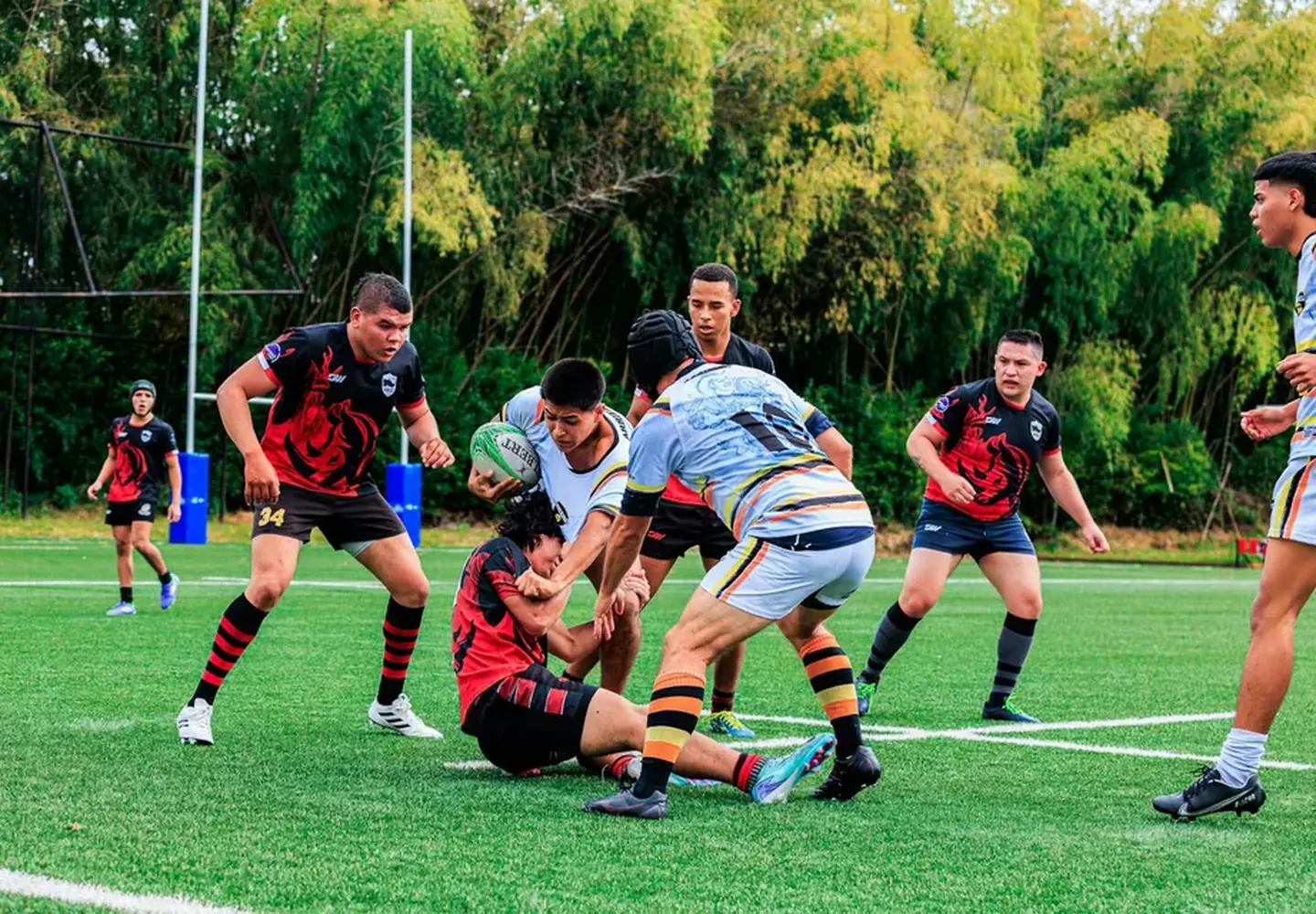
- Dangerous contact: High tackles with force, crusher tackles, or any contact to the head that’s deemed reckless.
- Professional fouls: Deliberately slowing down the play-the-ball, stripping the ball illegally, or tackling a player without the ball when they’re in a scoring position.
- Dissent: Arguing with the referee too aggressively.
Problem 2: “Send-Off or Sin Bin? I Can’t Tell the Difference!”
Symptoms: A player makes a tackle, there’s a big collision, the referee blows the whistle, and you have no idea if they’re gone for ten minutes or for the whole game. Your mates are arguing, the commentators are guessing, and everyone’s confused.
Causes: The league uses a tiered system for foul play:
- Sin Bin (10 minutes): For careless or reckless acts that aren’t intentional, or for professional fouls. The player returns after ten minutes of game time.
- Send-Off (permanent): For intentional, violent, or extremely dangerous acts. Think punching, biting, shoulder charges to the head, or repeated dangerous conduct.
Problem 3: “Why Did We Get Penalised for That Tackle? It Looked Clean!”
Symptoms: You see a tackle that looks textbook—arms wrapped, no head contact—but the whistle blows and the ref calls a penalty. You’re convinced the officials have it in for your team.

Causes: Modern rules are strict about:
- Lifting tackles: Even if it looks clean, if the tackled player’s feet go above horizontal, it’s a penalty—and often a sin bin.
- Contact with the kicker: Any contact, even accidental, that impacts the kicker’s landing is penalised.
- Third-man tackles: If a third defender joins a tackle that’s already been completed, it’s a penalty for “tackling a player without the ball.”
- Crusher tackles: If the tackler applies downward pressure on the head or neck of the ball carrier, it’s an automatic penalty and often a sin bin.
- Were the tackler’s feet off the ground? That’s a lift.
- Did the ball carrier’s head make contact with the ground or the tackler’s shoulder? That’s a crusher.
- Did the kicker land awkwardly? That’s a penalty for contact with the kicker.
Problem 4: “The Referee Keeps Calling ‘Six Again’—What Does That Mean?”
Symptoms: You’re watching a match, the referee blows a short whistle, holds up six fingers, and suddenly the attacking team gets another set of six tackles. Your team’s defence is exhausted, and you have no idea why.
Causes: The “six again” rule is designed to speed up the game and penalise teams that deliberately slow down the ruck. It’s called when:
- A defender doesn’t immediately release the tackled player.
- A defender doesn’t play the ball correctly after a tackle.
- A defender deliberately lies on or over the tackled player to slow the play-the-ball.
- A defender strips the ball illegally.
Problem 5: “Why Did the Try Get Disallowed? That Looked Fine to Me!”
Symptoms: Your team scores a brilliant try—a player steps through, puts the ball down, and the crowd roars. Then the bunker reviews it, and suddenly the try’s disallowed. You’re left wondering if the video referee needs glasses.
Causes: The bunker system reviews tries for:
- Obstruction: Did a player run a blocking line that interfered with a defender? Even accidental contact can cause a disallow.
- Knock-on: Did the ball come off a hand, arm, or chest before the try was scored? The bunker checks every angle.
- Shepherd: Did a player deliberately run between the ball carrier and the defender to block them?
- Final pass: Was the last pass forward? The bunker uses frame-by-frame analysis.
- Any contact between attackers and defenders before the ball is passed.
- The ball coming off a hand or arm (not the chest or shoulder) before the try.
- The trajectory of the final pass—if it travels forward relative to the passer’s hands, it’s forward.
Problem 6: “The Opposition Keeps Slowing Down the Ruck—Why Don’t They Get Penalised?”
Symptoms: Your team is on the attack, making metres, but the opposition’s defenders are lying on tackles for an extra second, rolling onto their sides, and generally taking forever to get off. The referee isn’t calling it, and you’re getting frustrated.
Causes: The league has a “dominant tackle” rule that can confuse fans. If a defender makes a tackle that drives the ball carrier backwards, they’re allowed a fraction of a second longer to release. Additionally:
- The referee may be giving the defence a warning before penalising.
- The tackled player might be taking too long to play the ball, which masks the defender’s slow release.
- The referee might be focusing on other infringements (like offside or high tackles) and missing the ruck.
Problem 7: “I Don’t Understand the Bunker—Why Does It Take So Long?”
Symptoms: A try is scored, the referee sends it upstairs, and you wait... and wait... and wait. The crowd gets restless, the commentators speculate, and you’re left wondering if the bunker officials are making a cup of tea.
Causes: The bunker isn’t just checking one thing—they’re checking everything:
- Was there a knock-on in the lead-up?
- Was there a forward pass?
- Was there obstruction?
- Was the ball grounded correctly?
- Was there a player in touch?
- Was there a professional foul in the lead-up?
There is usually a time limit—often 60-90 seconds—but complex reviews can take longer. If it’s taking ages, it’s because there’s something contentious in the lead-up.
Prevention Tips: How to Avoid Discipline Headaches
- Watch the referee’s signals: Before the game, learn the basic hand signals for penalties, sin bins, and send-offs. The league website often has a referee signals guide.
- Know the count: Keep a mental tally of your team’s penalties conceded in the last five minutes. If it hits three, expect a sin bin.
- Watch the ruck: Most discipline issues come from the ruck. If your team’s defenders aren’t releasing quickly, or the opposition is slowing the play-the-ball, penalties will follow.
- Understand the “team warning”: If the referee holds up one hand and points to the goal line, that’s a team warning. The next infringement in that area will result in a sin bin.
- Check the weekly judiciary report: The league releases a weekly list of charges, suspensions, and fines. It’s a great way to understand what’s being penalised.
When to Seek Official Guidance
If you’re still confused after reading this guide, don’t worry—you’re not alone. Here’s when to seek help:
- For rule clarifications: The league’s official website has a “Rules and Interpretations” section with detailed explanations and video examples.
- For specific incidents: Check the “Referee Decisions Explained” videos available online.
- For coaching advice: If you’re a junior coach or player, contact your local club or league development officers for rule interpretations.
- For match-day confusion: Talk to the stadium’s fan information booth—they often have rule sheets available.
The Bottom Line
Discipline rules aren’t designed to be confusing—they’re designed to protect players and keep the game fast and fair. But let’s be real: they can be a nightmare to follow in real time.
The key takeaways? Watch the referee’s signals, keep an eye on the penalty count, and understand that the sin bin isn’t random—it’s the result of repeated or dangerous infringements.
Next time you’re at the ground watching your team take on a rival, and you see a player get marched ten metres, you’ll know exactly why. And if you’re still confused? Just blame the bunker. Everyone else does.
For more rules basics, check out our guides on field dimensions and markings and the forward pass rule.
Reader Comments (1)