

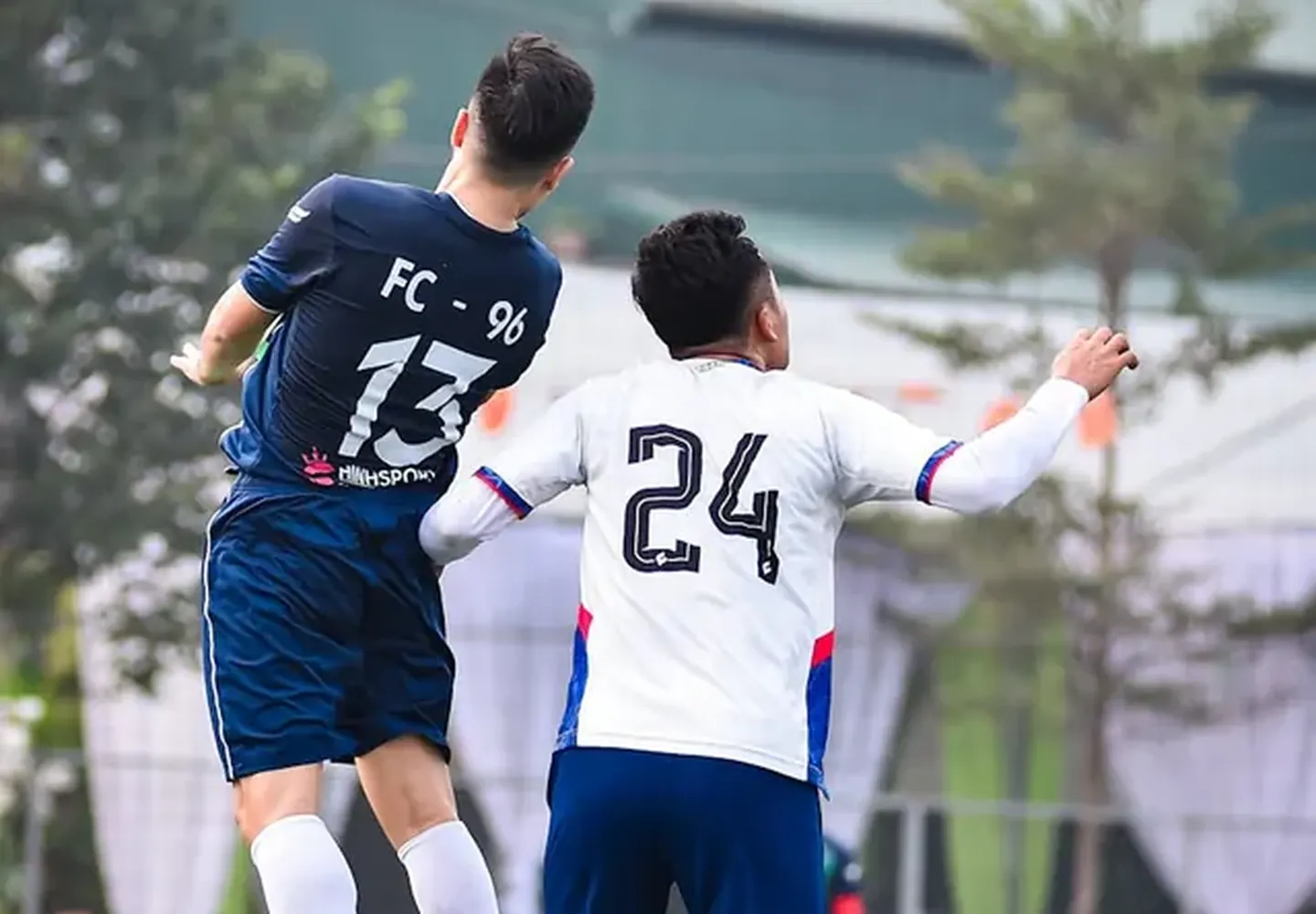
In modern Australian rules football, the ability to catch a handball cleanly under pressure is a non-negotiable skill. Whether you're a midfielder scanning for an offload, a forward running a crash line, or a defender sweeping across the backline, every possession starts with a clean reception. Successful teams have built their systems around precise ball movement and high-pressure handling. This drill—the Handball Receive Drill—is designed to replicate the chaos of a match, forcing players to secure the ball while defenders close in, contact is imminent, and the clock is ticking.
By the end of this practical session, you will have a repeatable, coachable drill that improves hand-eye coordination, body positioning, and decision-making under duress. This is not just for elite squads; grassroots players, local club coaches, and parents running junior training can adapt it to any skill level.
Prerequisites / What You Need
Before stepping onto the field, ensure you have the following:
- A minimum of 4 players (2 passers, 2 receivers; can scale up to 8 for more reps)
- One football per pair (standard size; junior sizes for younger players)
- Cones or markers to define a 10m x 10m working area
- Tackle bags or padded shields (optional, for added pressure)
- A whistle or timer for controlled intervals
- Water bottles and a first aid kit (always prioritise player safety)
- A clear, dry surface (avoid wet or slippery conditions that increase injury risk)
Step-by-Step Process
Step 1: Set Up the Grid and Assign Roles
Mark out a 10m x 10m square using cones. This is your working zone. Position two passers on opposite sides of the square, about 2m inside the boundary. Place two receivers in the centre of the square, facing each other, 3–4m apart. If you have additional players, rotate them into the roles every 3 minutes to keep everyone engaged.
The passer’s job is to deliver a crisp, accurate handball to the receiver’s chest or outside shoulder. The receiver’s job is to catch the ball cleanly while a defender (or a coach with a tackle bag) applies controlled pressure. For beginners, start without a defender; for advanced players, introduce a live defender who can attempt to knock the ball away or apply a light body contact.
Step 2: Execute the Basic Receive (No Pressure)
Begin with the simplest version: the receiver calls for the ball, the passer delivers a handball to the receiver’s chest height, and the receiver catches with two hands, tucking the ball into the chest. Focus on soft hands—cushioning the ball rather than snatching at it. The receiver should keep their eyes on the ball until it is secured, then immediately look up to scan for the next pass.
Repeat this 10 times per receiver. The goal here is muscle memory: the hands should be relaxed, fingers spread, and palms facing the passer. If the ball is dropped, reset and repeat. Do not progress until the receiver can catch 8 out of 10 cleanly.
Step 3: Introduce Lateral Movement
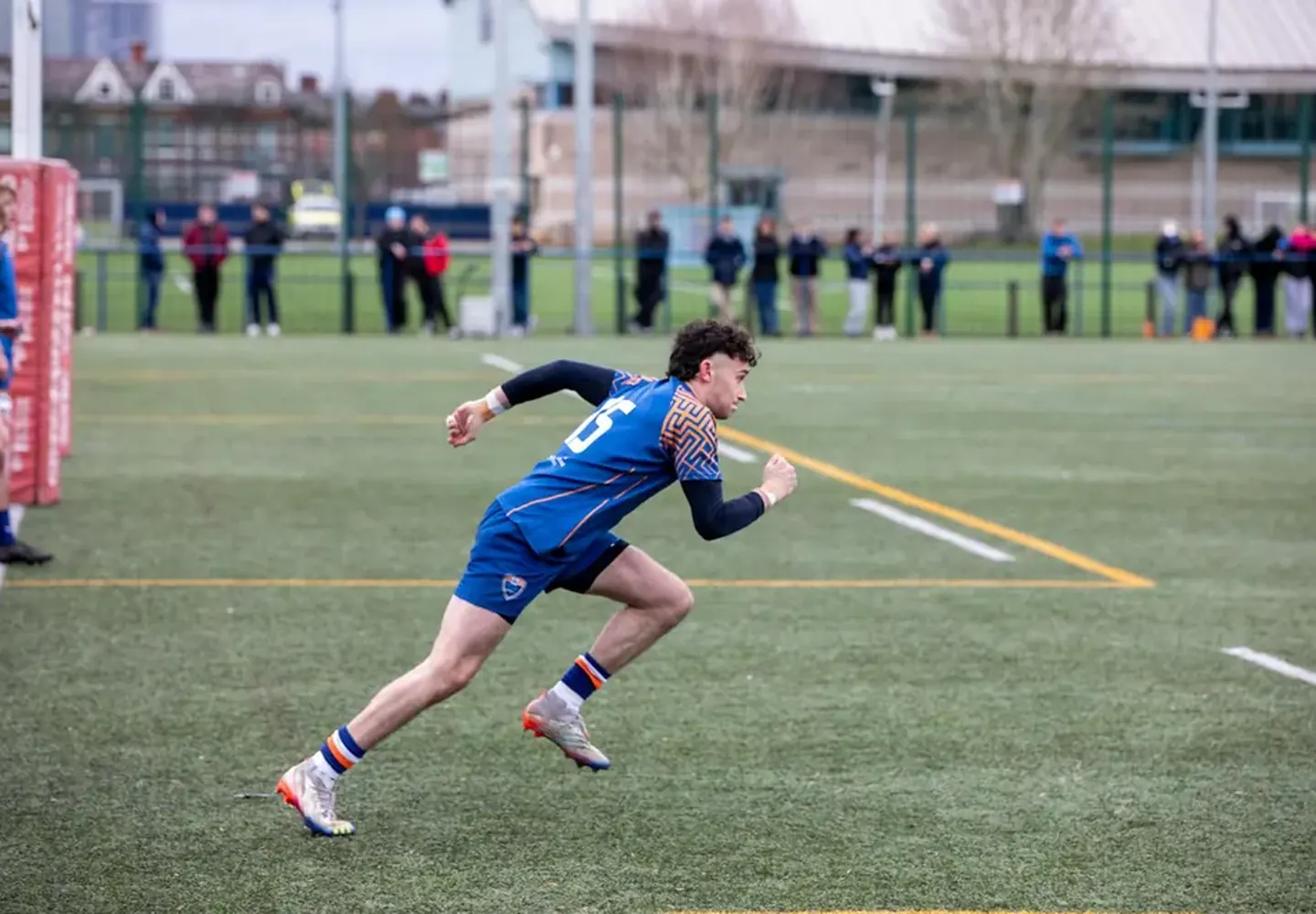
Now, the receiver starts in the centre of the grid but must shuffle laterally 2–3 steps before receiving the handball. The passer waits until the receiver is in motion, then delivers the ball to the receiver’s new position. This simulates a player running a support line or shifting to create space.
The receiver must adjust their body angle mid-motion, plant their outside foot, and catch the ball while maintaining balance. Common errors here include reaching with one hand or slowing down too early. Correct by reminding the receiver to keep their feet moving and to catch with two hands whenever possible.
Step 4: Add Defensive Pressure (Tackle Bag or Shield)
Position a coach or teammate holding a tackle bag 2m away from the receiver. As the handball is released, the defender steps forward and drives the bag into the receiver’s chest or shoulder area at the moment of catch. The receiver must absorb the impact, maintain chest height, and secure the ball before the bag makes contact.
This step teaches players to brace for contact without flinching. The key is timing: the defender should contact the receiver just as the ball arrives, not before. For safety, the defender should use controlled force—this is a drill, not a collision. If the receiver drops the ball, analyse why: were their eyes closed? Were their hands too stiff? Were they leaning backwards?
Step 5: Live Defender with Body Contact
For advanced squads (U16s and above), replace the tackle bag with a live defender. The defender starts 3m away and can close the distance as the handball is released. The defender may attempt to knock the ball away with a one-handed swipe or apply a light shoulder-to-shoulder contact. The receiver must protect the ball by turning their body sideways, presenting their outside shoulder, and tucking the ball into the chest.
This step replicates real match situations where a defender is rushing up in the line. The passer must also adjust—delivering the ball earlier or with more velocity to beat the defender’s closing speed. Coaches should emphasise that the receiver’s first priority is securing the ball; second is making a quick pass.
Step 6: Sequential Handball Receive (Two-Pass Chain)
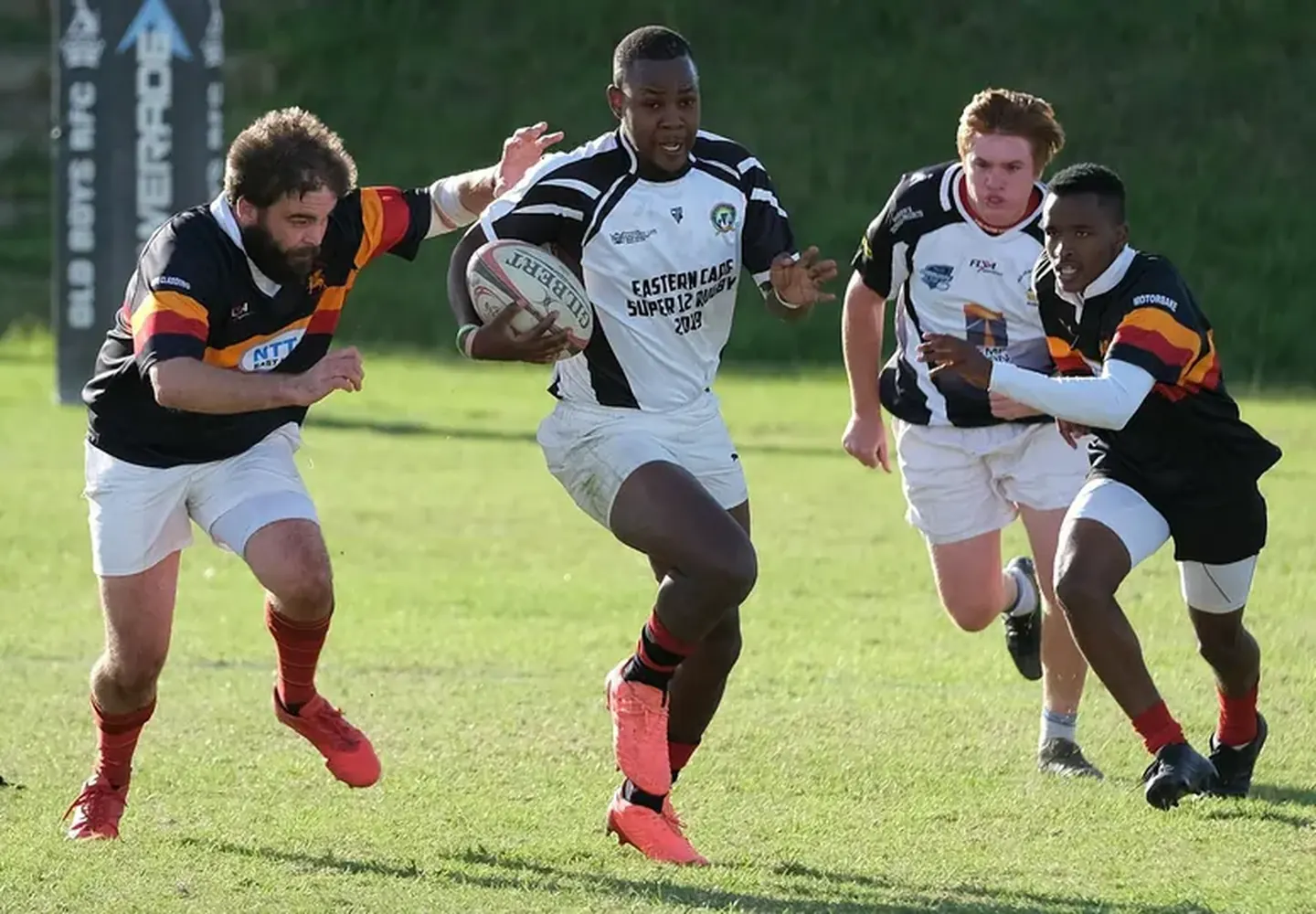
Now, link two receivers in a sequence. Receiver A catches the first handball, pivots, and immediately handballs to Receiver B, who is moving into space. Receiver B then catches and passes back to the original passer. The defender continues to apply pressure on each catch.
This builds the rhythm of a backline sweep or a forward’s offload chain. The drill should flow quickly—each sequence should take no more than 3 seconds. If the ball hits the ground, the sequence restarts. Aim for 5 consecutive clean sequences before rotating roles.
Step 7: Fatigue Simulation (Time Pressure)
Set a timer for 60 seconds. The receiver must complete as many clean catches as possible while a defender applies constant pressure. The passer varies the handball speed and direction (chest, left shoulder, right shoulder, low to the thighs). The receiver cannot stop moving—they must shuffle, pivot, and adjust to each delivery.
This step replicates the final 10 minutes of a tight match, when fatigue sets in and concentration wanes. Encourage the receiver to breathe rhythmically and focus on the ball’s seam as it arrives.
Pro Tips / Common Mistakes
Pro Tips
- Eyes through the ball: Watch the ball all the way into your hands. Do not look at the defender until the ball is secured.
- Soft hands, hard body: Relax your fingers and wrists. Let the ball come to you rather than snatching at it. Your chest and shoulders should be firm to absorb contact.
- Footwork first: Get your feet set before the catch. If you are off-balance, even a perfect handball will be dropped.
- Call early: As a receiver, communicate loudly. A clear “Mine!” or “Here!” helps the passer deliver with confidence.
- Protect the ball in traffic: If a defender is close, turn your back to them and tuck the ball into your chest.
Common Mistakes
- One-handed grabs: Beginners often try to catch with one hand when under pressure. This dramatically increases drop rates. Always aim for two hands unless the ball is above your head.
- Looking away: Receivers often glance at the defender before the ball arrives. This causes mistimed catches. Train yourself to keep your eyes locked on the ball until it is secured.
- Stiff arms: Players who lock their elbows and wrists create a hard surface that the ball bounces off. Keep your arms relaxed and slightly bent.
- Stopping before the catch: Some receivers slow down or stop their feet to focus on the catch. This makes them an easy target for defenders. Keep your feet moving.
- Poor body positioning: Facing the defender square-on exposes the ball to a strip. Always present your outside shoulder when contact is imminent.
Checklist Summary
Use this checklist to run the drill efficiently. Tick off each step as you complete it.
- Set up the grid: 10m x 10m square with cones. Ensure a safe, dry surface.
- Assign roles: 2 passers, 2 receivers, 1 defender (or tackle bag). Rotate every 3 minutes.
- Warm-up: Dynamic stretches, light jogging, and 5 minutes of basic handball catch.
- Step 1 – Basic receive: 10 clean catches per receiver, no pressure. Focus on two hands and soft catch.
- Step 2 – Lateral movement: Receiver shuffles 2–3 steps before catch. 10 reps per receiver.
- Step 3 – Tackle bag pressure: Defender contacts receiver at catch moment. 8 clean catches per receiver.
- Step 4 – Live defender (advanced): Defender swipes or applies shoulder contact. 6 clean catches per receiver.
- Step 5 – Sequential chain: Two receivers link passes. 5 consecutive clean sequences.
- Step 6 – Fatigue simulation: 60-second timed round. Count clean catches. Aim for 8+.
- Cool-down: Static stretching for hamstrings, quads, shoulders, and wrists.
- Debrief: Discuss common mistakes and highlight improvements. Encourage players to practise at home with a partner.
For more tactical breakdowns and drills, explore our related guides on match tactics, spread and structure, and common tactical mistakes.
Reader Comments (0)