

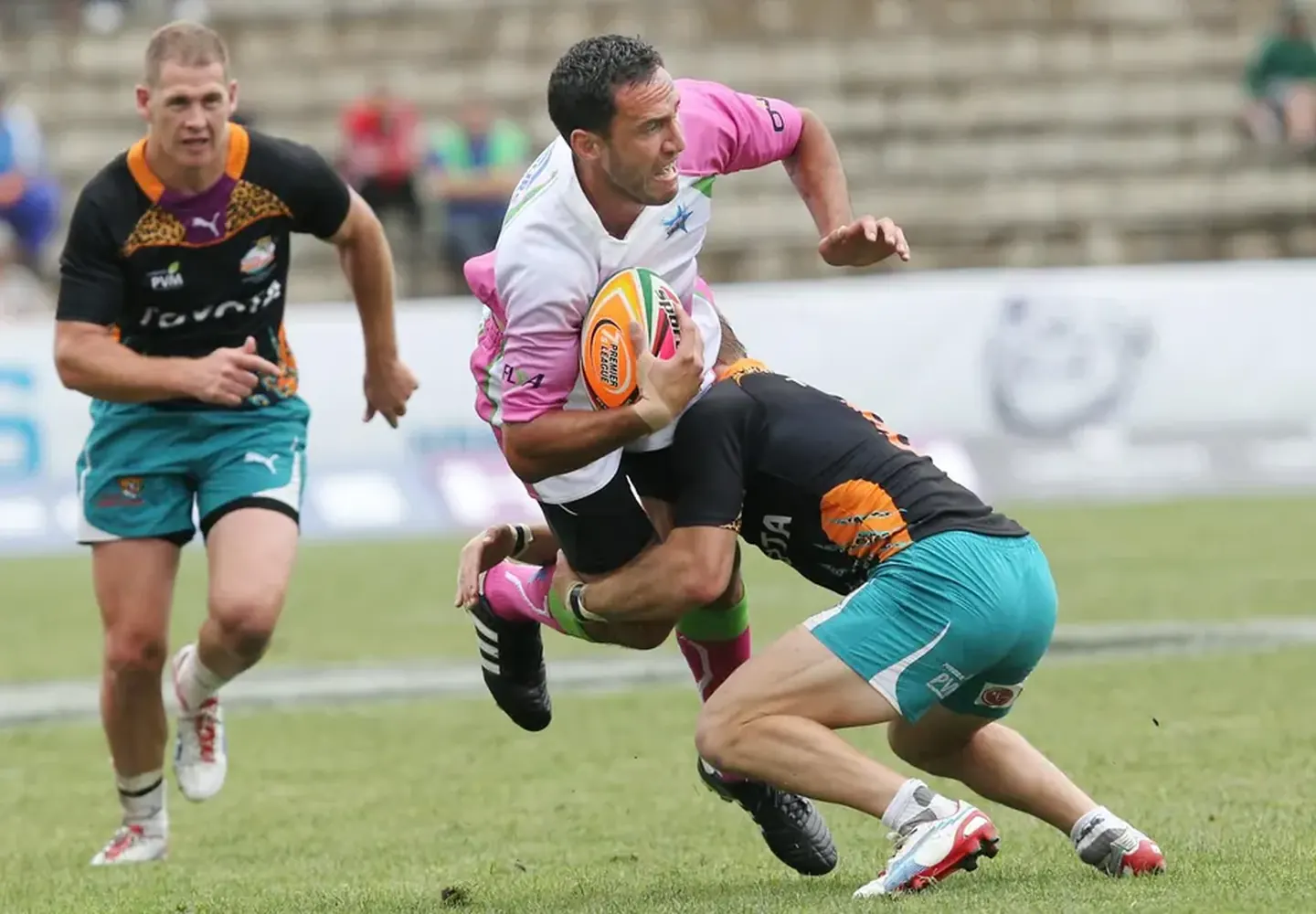
In the brutal world of professional contact sport, where collisions are measured in tonnes and the margin between glory and defeat often comes down to which team can keep its stars on the field, injury prevention isn't just a medical concern—it's a competitive advantage. For clubs that have built their modern identity around sustained success, managing the physical toll of a long season plus finals football is paramount.
Whether you're a junior player aspiring to compete at the highest level, a weekend warrior in the local comp, or a coach looking to keep your squad healthy through the season, understanding the science and practice of injury prevention can be the difference between a season of promise and one spent on the sidelines. This pillar guide breaks down the essential exercises and methodologies that elite programs use to keep their athletes competing at the highest level.
The Philosophy of Injury Prevention in Contact Sport
Before diving into specific exercises, it's critical to understand the underlying philosophy. Injury prevention in contact sport isn't about avoiding contact—that's impossible in a sport built on physical confrontation. Rather, it's about building a body that can absorb, distribute, and recover from the forces inherent in the game.
The modern approach, as refined by strength and conditioning teams across elite competitions, focuses on three pillars:
- Resilience: Training the musculoskeletal system to withstand high-impact loads
- Mobility: Ensuring joints can move through full ranges of motion under stress
- Reactivity: Preparing the neuromuscular system to respond to unpredictable movements
Pre-Season Foundation: Building the Base
The pre-season period is where injury prevention truly begins. This is when athletes develop the physical capacity that will protect them during the competitive season.
Eccentric Loading for Hamstring Health
Hamstring injuries are among the most common in contact sports, particularly for players who generate high speeds, such as outside backs and fullbacks. The Nordic hamstring curl has become a staple of pre-season programs.
How to perform:
- Kneel on a padded surface with ankles secured by a partner or anchor point
- Slowly lower your torso toward the ground, resisting with your hamstrings
- Control the descent over 3-5 seconds
- Use your hands to push back to the starting position
Calf and Achilles Preparation
The explosive acceleration and deceleration demands of contact sport place enormous stress on the Achilles tendon and calf complex. Eccentric heel drops, performed on a step or raised surface, build tendon resilience.
Key points:
- Perform with a straight leg (gastrocnemius focus) and bent leg (soleus focus)
- Lower through full range of motion over 3 seconds
- Explosively push back up using both legs
- Build to 3 sets of 12-15 repetitions daily during pre-season
Hip and Groin Conditioning
Groin injuries are particularly problematic for contact sport athletes, often requiring extended recovery periods. The Copenhagen adductor exercise has become a standard in elite clubs for building hip adductor strength.
Execution:
- Lie on your side with your top leg supported on a bench or partner's body
- Lift your bottom leg toward the top leg, engaging the adductors
- Hold for 2-3 seconds at the top
- Perform 3 sets of 8-10 repetitions per side
In-Season Maintenance: Staying on the Field
Once the season begins, the focus shifts from building capacity to maintaining it while managing fatigue. The weekly training cycle for an elite club is carefully periodised around the match schedule.
Dynamic Warm-Up Protocols
The days of static stretching before a game are long gone. Modern warm-ups are dynamic, movement-based, and designed to prepare the body for the specific demands of contact sport.
A sample pre-match dynamic warm-up:
- Leg swings (forward and lateral): 10 per leg
- Walking lunges with rotation: 10 per side
- High knees with arm drive: 10 metres
- Butt kicks: 10 metres
- Lateral shuffles with hip drop: 10 metres each direction
- Carioca (grapevine): 10 metres each direction
- Acceleration strides: 3 x 20 metres at 70-80% intensity
Core Stability for Contact Readiness
A strong core isn't just about aesthetics—it's the foundation for absorbing contact and generating power. Contact sport athletes require a core that can function under load and in unpredictable positions.
Essential core exercises for injury prevention:
- Pallof press: Resists rotation while maintaining a stable torso. Use a cable or resistance band at chest height.
- Dead bug: Lie on your back with arms extended toward the ceiling and legs in tabletop position. Slowly extend opposite arm and leg while keeping your lower back pressed into the ground.
- Side plank with leg raise: Builds lateral core stability crucial for side-on contact situations.
- Bird dog: From all fours, extend opposite arm and leg while maintaining a neutral spine.
Landing Mechanics and Deceleration Training
The ability to decelerate effectively is arguably more important than acceleration for injury prevention. When a player changes direction at full speed or lands from a high ball, the forces through the lower body are immense.
Key drills:
- Drop landings: Step off a low box (15-30cm) and land softly with hips and knees bent, feet shoulder-width apart
- Single-leg landings: Progress to landing on one leg, holding the position for 2-3 seconds
- Lateral cuts: Perform at 50-70% intensity, focusing on hip and knee alignment
- Box jumps with soft landing: Emphasise the landing, not just the jump
Position-Specific Considerations
While the foundational principles apply to all players, different positions in contact sport place unique demands on the body. A program tailored to the specific role reduces injury risk more effectively than a one-size-fits-all approach.
Outside Backs and Fullbacks
Players who cover the most ground during a match and are frequently required to change direction at speed should have an injury prevention focus that includes:
- High-volume eccentric hamstring work due to sprinting demands
- Ankle stability exercises for cutting and landing
- Hip flexor mobility to maintain stride length
- Single-leg balance work on unstable surfaces
Forwards and Middle Players
The collision demands on forwards require a different emphasis. The focus here is on:
- Neck and cervical spine strengthening for contact absorption
- Shoulder girdle stability for tackling and being tackled
- Thoracic spine mobility to prevent back issues from the bent-over position in rucks
- Grip strength for ball security and wrestling
Playmakers and Midfielders
Playmakers face unique risks due to their involvement in both attacking structures and defensive line speed. Their programs should emphasise:
- Rotational core strength for passing under pressure
- Shoulder external rotation work for passing volume
- Lower limb plyometrics for quick directional changes
- Hand-eye coordination drills integrated with movement patterns
Recovery and Regeneration
Injury prevention doesn't stop when the training session ends. The recovery practices of elite clubs are sophisticated and evidence-based.
Active Recovery Protocols
Low-intensity activity on recovery days promotes blood flow and tissue repair without adding fatigue. Common practices include:
- Pool sessions: Walking, jogging, and gentle swimming in chest-deep water
- Stationary cycling: 20-30 minutes at low resistance
- Light mobility work: Foam rolling and banded stretches
Sleep and Nutrition
The recovery that happens while athletes sleep is irreplaceable. Elite clubs now employ sleep specialists to optimise this crucial period. Key recommendations for players at all levels:
- 7-9 hours of quality sleep per night
- Consistent sleep and wake times even on days off
- Cool, dark sleeping environment
- Limit screen time 60 minutes before bed
- Adequate protein intake (1.6-2.2g per kg of body weight) for tissue repair
- Omega-3 fatty acids for managing inflammation
- Vitamin D and calcium for bone health
- Hydration monitoring to maintain performance and reduce cramping risk
The Role of Load Management
Perhaps the most sophisticated aspect of modern injury prevention is load management. The season is long, and the cumulative fatigue can predispose players to injury if not carefully managed.
Internal vs External Load
- External load: What the player does (distance run, tackles made, sprints completed)
- Internal load: How the player responds (heart rate, perceived exertion, muscle soreness)
The Acute:Chronic Workload Ratio
This concept has revolutionised injury prevention in team sports. It compares the workload over the last week (acute) to the average workload over the last four weeks (chronic).
- Ratio below 0.8: Possibly undertraining, increasing injury risk from lack of preparedness
- Ratio 0.8-1.3: Optimal range for injury prevention
- Ratio above 1.5: Significant increase in injury risk
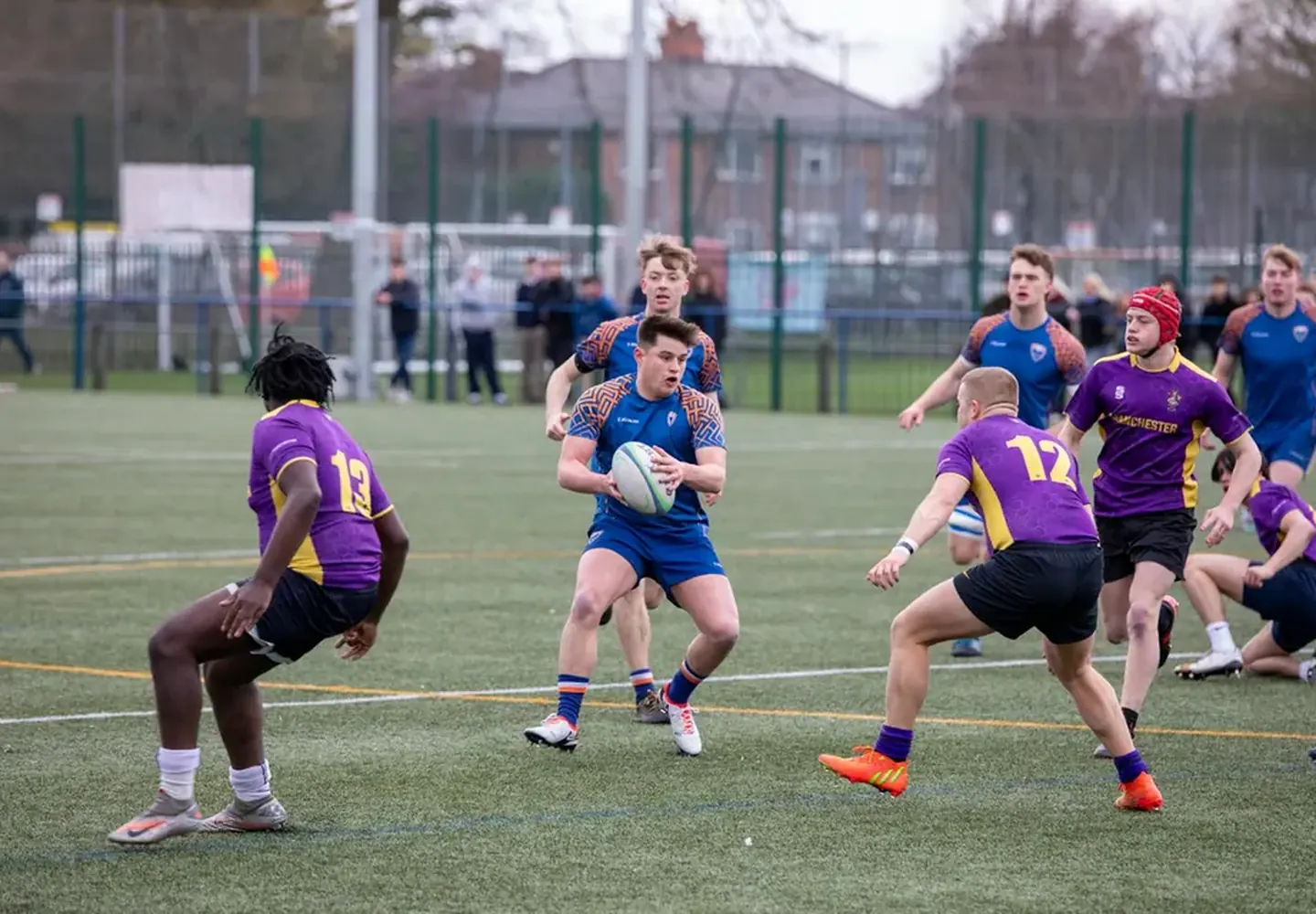
Implementing a Program: A Weekly Framework
For coaches and players looking to implement an injury prevention program, structure is key. Here's a sample weekly framework that mirrors the approach used by elite clubs.
Monday (Post-Match Recovery)
- Active recovery session (pool or cycling)
- Light stretching and mobility
- Soft tissue work (foam rolling, massage)
- Nutrition focus: Replenishment and hydration
Tuesday (Lower Body Focus)
- Dynamic warm-up (15 minutes)
- Eccentric hamstring work (Nordic curls)
- Single-leg stability drills
- Hip and groin conditioning (Copenhagen adductors)
- Core stability circuit
Wednesday (Upper Body and Contact Prep)
- Dynamic warm-up with shoulder activation
- Neck strengthening exercises
- Rotator cuff and scapular stability work
- Controlled contact drills (if applicable)
- Cool-down with thoracic spine mobility
Thursday (Speed and Agility)
- Full dynamic warm-up
- Acceleration mechanics work
- Deceleration and cutting drills
- Landing technique practice
- Position-specific movement patterns
Friday (Pre-Match Activation)
- Low-volume, high-intensity warm-up
- Neural activation drills (banded sprints, plyometrics)
- Individual preparation based on position
Game Day
- Comprehensive dynamic warm-up (20-30 minutes)
- Position-specific drills at game intensity
- Mental preparation and visualisation
Common Mistakes to Avoid
Even well-intentioned injury prevention programs can fall short if common errors creep in.
Mistake 1: Training Through Pain
There's a difference between discomfort from training and pain from injury. Players who push through joint pain, particularly in the groin, hamstring, or knee, often turn minor issues into season-ending problems.
Mistake 2: Neglecting the Posterior Chain
Many players overdevelop their quadriceps and chest while neglecting hamstrings, glutes, and upper back. This imbalance creates vulnerability, particularly in contact situations.
Mistake 3: Inconsistent Programming
Injury prevention requires consistency. Doing hamstring work once a month provides minimal protection. The best results come from year-round, progressive programming.
Mistake 4: Ignoring Individual Differences
A heavy forward and a lighter back have different injury profiles and require different prevention strategies. Tailor programs to the individual.
Building a Culture of Prevention
At elite clubs, injury prevention isn't just the responsibility of the medical staff—it's embedded in the club culture. Players understand that their availability is their most valuable contribution to the team's success.
For grassroots clubs and junior programs, building this culture starts with education. Young players need to understand why they're performing certain exercises, not just how to do them. Coaches who prioritise injury prevention alongside skill development produce not just better players, but healthier ones.
The membership base of any successful club understands this: a successful season depends on key players being available for the finals push. That availability is the product of years of deliberate, consistent injury prevention work.
Conclusion: The Long Game
Injury prevention in contact sport is not a quick fix or a single magic exercise. It's a comprehensive, year-round commitment to building and maintaining a body capable of withstanding the demands of the sport. From the pre-season foundation to in-season maintenance, from position-specific considerations to recovery practices, every element plays a role.
For players at every level—from the junior dreaming of wearing the club colours to the professional preparing for another campaign—the principles remain the same. Build resilience, maintain mobility, train intelligently, and listen to your body.
The best ability is availability. In a sport as physically demanding as contact sport, that truth has never been more relevant.
Reader Comments (0)