

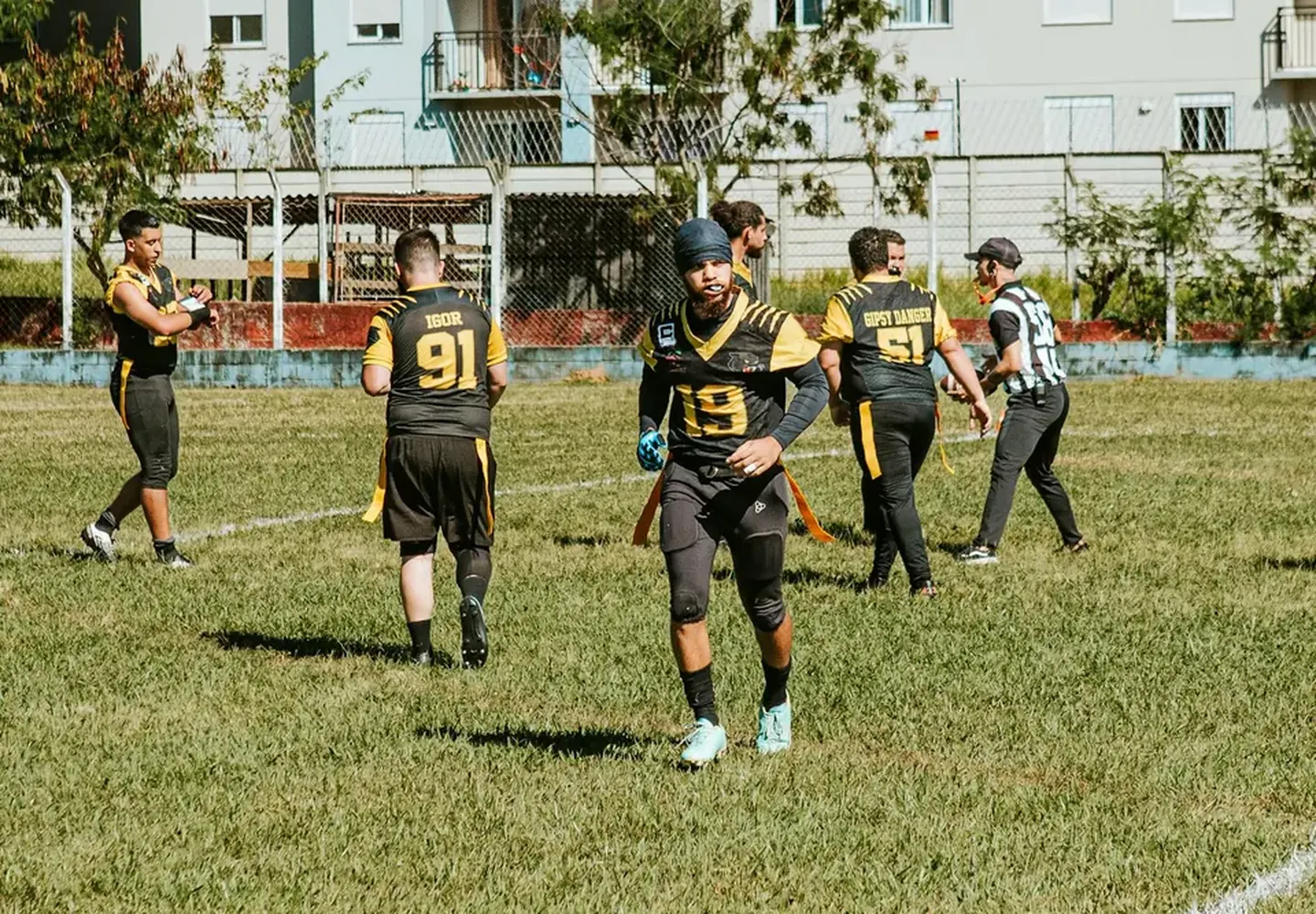
Look, if you've ever stood on the sideline at a local park on a Saturday morning, clipboard in hand, trying to work out which of your young hopefuls has what it takes to make the jump, you know the struggle is real. You're watching a kid rip through a defensive line, but you can't quite put your finger on whether it's genuine footy IQ or just a lucky bounce.
That's where a proper skills assessment template comes in. This isn't about overcomplicating things—it's about giving you a practical, repeatable system to evaluate your players, identify strengths, and spot development areas before they become bad habits. Whether you're coaching under-12s at a local club or running trials for a senior squad, this template will save you time and help you make smarter calls.
By the end of this article, you'll have a ready-to-use assessment framework that covers the key skills every player needs, from basic ball-handling through to game awareness. Let's get into it.
What You'll Need
Before we start, grab these basics:
- A clipboard and pen (or tablet with a notes app—whatever works for you)
- A stopwatch or phone timer (for speed and agility drills)
- Cones or markers (at least 10, ideally in two colours)
- Training balls (at least 6, properly inflated)
- A whistle (for drill starts and stops)
- Your assessment template (we'll build this as we go)
- A blank notepad (for free-form observations)
Step 1: Set Up Your Assessment Categories
The biggest mistake coaches make is trying to assess everything at once. You end up with a blur of running, passing, and tackling, and you miss the details that matter. Break your assessment into five core categories:
- Ball Handling – Catching, passing, picking up loose balls
- Footwork & Agility – Change of direction, speed off the mark, evasion
- Defensive Fundamentals – Tackle technique, line speed, reading the play
- Game Awareness – Decision-making, positioning, communication
- Physical Attributes – Speed, endurance, strength (age-appropriate)
Step 2: Create Your Scoring System
You don't need a PhD in sports science here. Keep it simple:
- 1 – Needs work (basic errors, poor technique)
- 2 – Developing (shows promise but inconsistent)
- 3 – Competent (reliable at this level)
- 4 – Advanced (above average for age/level)
- 5 – Elite (could step up immediately)
Create a simple table on your template with player names down the left and categories across the top. Leave a column for notes.
Step 3: Run the Ball Handling Drills
Start with the fundamentals. You're looking for clean hands, soft touch, and the ability to catch under pressure.
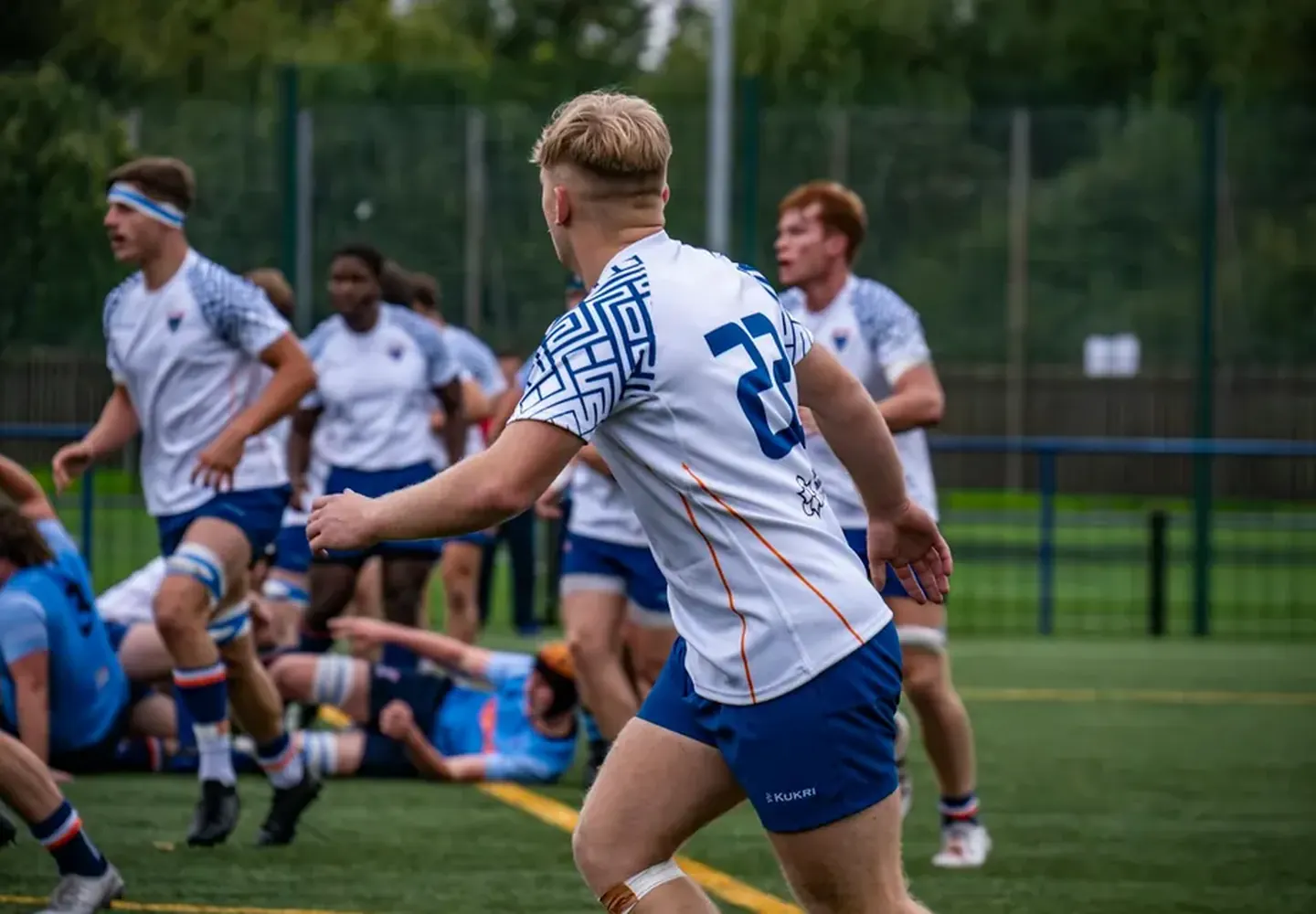
Drill 1: Basic Catch & Pass (5 minutes) Players pair up, 5 metres apart. Simple chest passes, then pop passes. Watch for:
- Are they catching with their fingers pointing up (high ball) or down (low ball)?
- Do they step into the pass or stand flat-footed?
- Is the pass accurate to the chest or do they throw behind?
- Do they bend at the knees or the waist?
- Do they secure the ball before looking up?
- Can they pass off the ground without juggling?
- Do they brace for contact?
- Do they take their eyes off the ball?
- Can they catch and pass in one motion?
Step 4: Assess Footwork and Agility
This is where you separate the athletes from the natural movers. Set up a simple cone course: five cones in a zigzag pattern, 3 metres apart.
Drill 1: Zigzag Run (3 attempts each) Player runs through the cones, changing direction at each one. Time them if you want, but focus on:
- Can they sink their hips and change direction without slowing down?
- Do they use their outside foot to push off?
- Are they looking at the cones or scanning ahead?
- Do they use a fend or a step?
- Do they commit the defender before changing direction?
- Can they accelerate out of the change?
- Do they stay low in the backpedal?
- Do they plant and drive forward or turn and run?
- How quickly do they reach top speed?
Step 5: Evaluate Defensive Fundamentals
Defence wins premierships—you know that. But assessing it in a drill setting is tricky. Keep it simple and focus on technique.
Drill 1: Front-On Tackle (3 attempts) Player starts 3 metres from a pad or a teammate holding a bag. They step in and execute a front-on tackle. Watch for:
- Do they get their head to the side (cheek to cheek)?
- Do they drive through the legs or just grab?
- Do they complete the tackle or let go early?
- Do they track the movement or commit too early?
- Do they wrap the arms or just shoulder charge?
- Can they finish the tackle off balance?
- Do they stay connected or leave gaps?
- Do they drift or hold their line?
- Who's the first to commit?
Step 6: Test Game Awareness
This is the hardest thing to assess, but it's the most important. You can't teach instinct, but you can spot it.
Drill 1: 3v2 Overload (5 minutes) Three attackers, two defenders. Attackers have 4 plays to score. Watch for:
- Does the ball-player draw the defender before passing?
- Do the support runners time their run or arrive too early/late?
- Do the defenders communicate and slide?
- Do they make the right pass under fatigue?
- Do they rush or stay composed?
- Can they still execute basic skills when tired?
- Do they position under the ball early?
- Do they communicate "mine" or stay silent?
- Can they distribute quickly?
Step 7: Record Physical Attributes (Optional)
For senior or representative trials, measure:
- 40-metre sprint (time)
- Agility test (e.g., Illinois test)
- Beep test (for endurance)
- Vertical jump (for contests)
Step 8: Add Your Free-Form Observations
At the bottom of your template, leave space for notes like:
- "Good communicator, directs teammates"
- "Struggles under pressure, rushes passes"
- "Natural leader, lifts others"
- "Needs work on tackle technique"
Pro Tips and Common Mistakes
Do:
- Assess players in multiple sessions. One bad day doesn't define them.
- Use the same template for all players to keep it fair.
- Give feedback immediately after each drill—don't wait until the end.
- Film the session if possible. Watching back is gold for your own coaching.
- Compare players within their age group, not against elite stars.
- Over-coach during the assessment. Let them play naturally.
- Compare a 14-year-old to a 17-year-old. Different stages of development.
- Give unsafe instructions—no tackling drills on hard ground, no contact without proper technique.
- Ignore attitude. A player who gives up after a mistake is a red flag.
- Forget to assess yourself. Did your drills test what you wanted?
- Rushing the process – You need at least 45 minutes for a proper assessment.
- Focusing only on the ball – Watch players without the ball too.
- Neglecting the quiet ones – Some kids don't show their best in a loud group setting. Pull them aside for a one-on-one chat.
- Using the wrong terminology – For grassroots players, say "catch and pass," not "receive and distribute."
Your Complete Checklist
Here's your summary. Print this out, stick it on your clipboard, and tick off each step as you go.
- Set up assessment categories (ball handling, footwork, defence, game awareness, physical)
- Create a simple scoring system (1-5 or 1-3 for juniors)
- Prepare your template with player names and categories
- Run basic catch and pass drills (5 minutes)
- Test loose ball pick-up and pass (5 minutes)
- Assess pressure catch (5 minutes)
- Set up cone course for agility (3 attempts each)
- Run evasion 1v1 drill (5 minutes)
- Test backpedal to sprint reaction (3 attempts)
- Evaluate front-on tackle technique (3 attempts)
- Evaluate side-on tackle technique (3 attempts)
- Assess line speed and defensive structure (5 minutes)
- Run 3v2 overload drill (5 minutes)
- Test decision-making under fatigue (5 minutes)
- Assess kick receipt and distribution (5 minutes)
- Record physical attributes (optional, for seniors)
- Add free-form observations for each player
- Review and compare notes across sessions
- Give players individual feedback within 48 hours
- Use results to plan training focus areas
Putting It All Together
Look, no template is perfect. The best coaches I know will tell you the same thing: the template is just a starting point. What matters is how you use it.
Use this assessment to spot the kid who's raw but coachable, the player who reads the game two steps ahead, the athlete who needs a bit of extra work on their defence. Then tailor your training sessions around what you've found. If you're looking for the right gear to support that development, check out our guide on the best footy boots—having the right pair can make a real difference to a player's confidence.
And remember: recovery is just as important as training. After a heavy assessment session, make sure your players are looking after their bodies. Our recovery and nutrition tips article covers everything from post-session refuelling to sleep strategies that help young athletes bounce back faster.
You've got the template. Now get out there, watch your players closely, and help them become the best footy players they can be.
Reader Comments (0)