

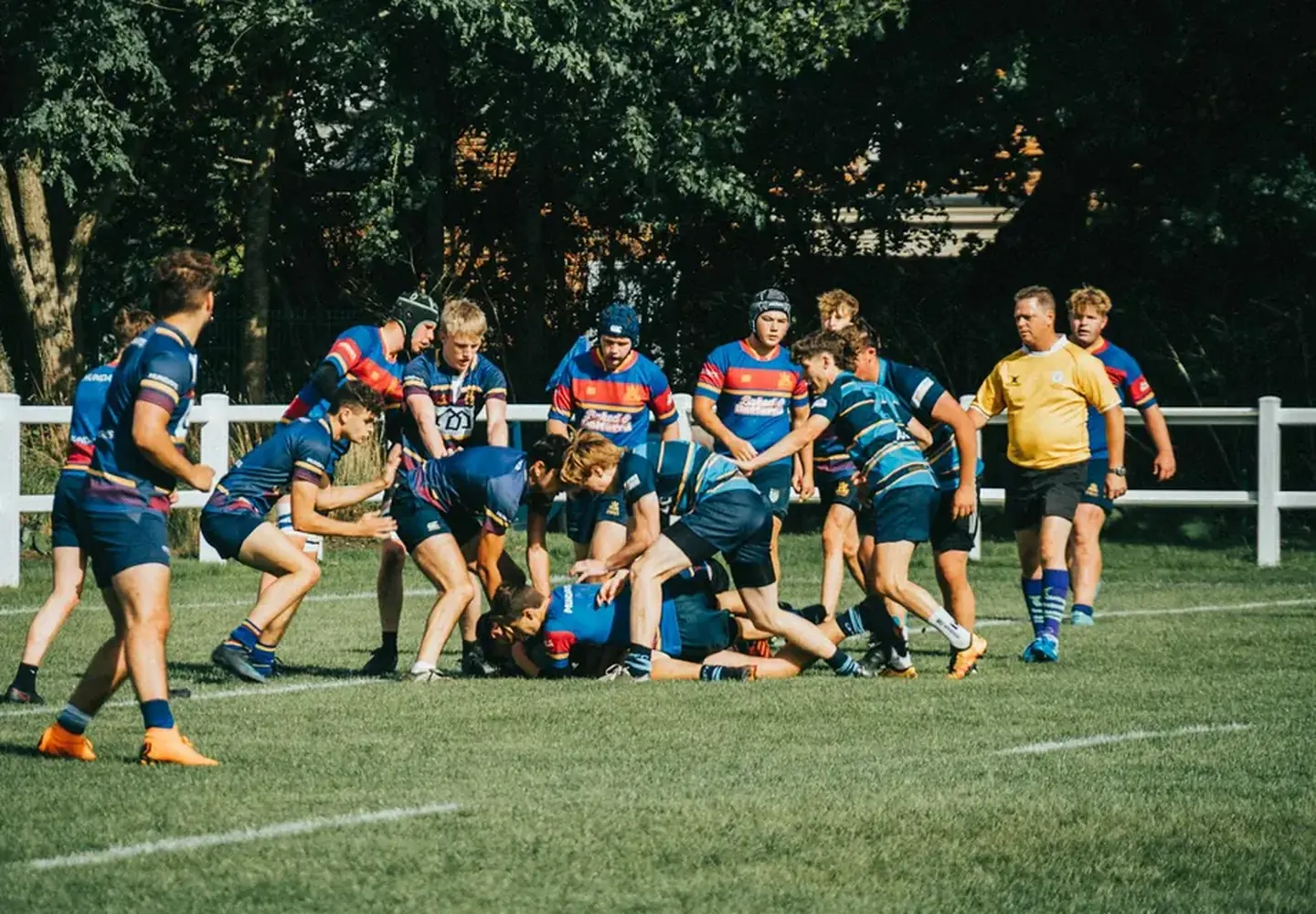
Ruck Contest Timing and Strategies: The Art of the Tap
In Australian rules football, few contests are as pivotal—or as misunderstood—as the ruck duel. While spectators often focus on the spectacular high marks or the blistering speed of midfielders, the ruck contest is where games are won and lost in the trenches. Understanding the nuances of ruck craft offers a deeper appreciation of how a team structures its stoppage work. The principles of timing, body positioning, and strategic intent translate across codes, but in footy, the ruck contest is a unique art form.
This guide breaks down the critical elements of ruck contest timing and strategies, from the centre bounce to boundary throw-ins, and explains how modern ruckmen are redefining the role.
The Centre Bounce: Where Momentum Begins
The centre bounce is the most visible ruck contest in Australian rules football. It occurs at the start of each quarter and after every goal. The ruckman’s primary objective is to tap the ball to a teammate’s advantage, but the execution depends on split-second timing.
Reading the Umpire’s Rhythm
A ruckman’s first skill is reading the umpire. Umpires vary in their bounce height, speed, and consistency. Some favour a high, slow bounce; others a quick, low one. Elite ruckmen study this before the first bounce. They watch the umpire’s wrist action and the ball’s rotation to predict its apex.
- Early jumpers risk mistiming and giving away a free kick for contact below the knees or pushing in the back.
- Late jumpers concede the tap to an opponent who has read the bounce better.
The Tap Direction
Once the ruckman wins the tap, the direction is everything. Common tap strategies include:
- Centre corridor tap: Directly to a rover or midfielder running through the middle. This is high-risk, high-reward, as a clean tap can open up the ground for a quick forward entry.
- Boundary tap: To the side, usually to a teammate positioned on the wing or half-forward flank. This is safer and allows for a structured chain of handballs.
- Knock-on: A deliberate tap backwards to a sweeper or loose man in defence. This is often used when the opposition has a strong midfield press.
Boundary Throw-Ins: The Art of the Wrestle
Boundary throw-ins occur when the ball goes out of play on the full. Unlike the centre bounce, the umpire throws the ball over their head, often with less predictability. This contest is more about strength and positioning than pure leap timing.
Body Positioning
Ruckmen at boundary throw-ins must establish a base. They lock their arms with the opponent, often using a “chicken wing” grip to control the opponent’s movement. The goal is to:
- Pin the opponent’s arm to limit their jumping ability.
- Create separation at the last moment to get a clean tap.
- Use the body to block the opponent from the drop zone.
The Tap to Advantage
At boundary throw-ins, the tap is often shorter and more direct. A common strategy is the “quick tap” to a midfielder standing just behind the ruckman. This allows for an immediate handball chain out of congestion. Alternatively, a ruckman might tap the ball to the ground, forcing a ground-level contest that favours a strong-bodied midfielder.
Stoppage Strategies: Hitouts vs. Hitouts to Advantage
In modern analytics, the raw hitout count is less important than the hitout to advantage percentage. A ruckman who wins 40 hitouts but only 10 go to a teammate is less valuable than one who wins 25 hitouts with 20 to advantage.

The Role of the Ruck Rover
The ruck rover—often the team’s best ball-winning midfielder—positions themselves based on the ruckman’s tendencies. If the ruckman favours a left-side tap, the rover sets up on that side. If the ruckman likes to tap to space, the rover reads the body language and moves accordingly.
- Gawn to Oliver: A classic example. Max Gawn often taps to Clayton Oliver’s running lane, allowing Oliver to gather and dispose under minimal pressure.
- Grundy to Pendlebury: Brodie Grundy’s taps to Scott Pendlebury were a feature of Collingwood’s stoppage dominance for years.
The “Nullifying” Tap
Sometimes the best option is to not let the opponent win the tap. A ruckman can “nullify” the contest by tapping the ball to a neutral area, often into the path of a teammate who is not the primary target. This is especially effective when the opposition ruckman is dominant. By denying clean possession, the ruckman forces a ground ball contest, which can favour a team with superior tackling pressure.
The Evolution of the Modern Ruckman
Gone are the days when ruckmen were simply tall, lumbering players whose only job was to tap the ball. Today’s elite ruckmen are athletes who can:
- Cover ground: Running up and down the ground to provide a marking option.
- Take marks: Intercepting opposition kicks or marking inside 50.
- Kick goals: Many ruckmen now rest forward and contribute on the scoreboard.
The “Dual-Ruck” Strategy
Some teams employ two ruckmen, using one as a forward or defender when not in the ruck. This strategy:
- Wears down the opposition ruckman by forcing them to chase.
- Provides a marking target inside 50.
- Adds versatility to the team structure.
The “Resting Ruckman” Role
A ruckman who rests on the bench is common, but some teams now rest their ruckman in the forward pocket. This allows the ruckman to:
- Contest marking duels against smaller defenders.
- Kick goals from set shots or crumbing.
- Provide a physical presence when the ball is in the forward 50.
Match-Day Context: How Ruck Contests Influence Game Flow
For fans watching from the stands at any footy ground, the ruck contest is often a microcosm of the game’s momentum.
Early Dominance
If a ruckman wins the first three centre bounces cleanly, it sets the tone. The midfield gains confidence, and the opposition is forced to adjust. This can lead to:
- Quick goals: Clean taps lead to fast ball movement.
- Defensive scrambling: The opposition’s midfielders start second-guessing their positioning.
The Comeback
Conversely, if a ruckman is being dominated, a coach might change the strategy. They could:
- Swap ruckmen: Bring in a different ruckman with a different style.
- Change the tap target: Instruct the ruckman to tap to a different area.
- Use a “blocker”: A midfielder might run into the ruckman’s path to impede the opponent’s jump.
The Final Quarter
Ruck contests become even more critical in the final quarter, especially in close games. Fatigue sets in, and the ruckman who can maintain their leap timing and decision-making often gives their team the edge.
- Lower bounces: Tired legs mean lower jumps, so the ruckman must adjust their timing.
- Shorter taps: Tired ruckmen often tap shorter to reduce the risk of a turnover.
Practical Examples for Grassroots Players

For grassroots players and coaches, understanding ruck contest timing is essential. Here are some drills and tips:
The “Umpire Bounce” Drill
Have a coach or player simulate an umpire’s bounce. The ruckman practices:
- Reading the ball’s rotation.
- Jumping at the apex.
- Tapping to a designated target.
The “Boundary Throw” Drill
Use a tennis ball or a weighted ball for boundary throw-ins. Focus on:
- Body positioning.
- Arm lock technique.
- Second jump timing.
The “Tap to Advantage” Drill
Set up cones representing midfielders. The ruckman must:
- Identify the best target.
- Tap to that target’s running lane.
- Follow the tap to provide a second effort.
Common Mistakes and How to Avoid Them
Even elite ruckmen make errors. Here are the most common:
Mistiming the Leap
- Cause: Watching the ball too early or too late.
- Fix: Focus on the umpire’s wrist and the ball’s rotation. Practice with a consistent bounce.
Overcommitting to the Tap
- Cause: Trying to tap too hard or too far.
- Fix: Use a soft, controlled tap. Aim for a teammate’s chest or running lane, not a 20-metre bomb.
Neglecting Ground Work
- Cause: Assuming the tap is the only job.
- Fix: After the tap, immediately look to contest the ground ball or block an opponent.
Conclusion: The Ruck Contest as a Strategic Weapon
The ruck contest is far more than a simple jump and tap. It is a chess match within the game, where timing, strategy, and physicality combine to create scoring opportunities. The parallels with other codes that value contested possession are clear. Winning the ruck contest is about controlling the moment, dictating the tempo, and giving your playmakers the best chance to shine.
Whether you are a player, coach, or passionate supporter, mastering the nuances of ruck contest timing will deepen your appreciation of Australian rules football. The next time you watch a centre bounce, look beyond the big leap. Watch the hands, the body positioning, and the tap direction. That is where the game is truly won.
For more insights into match tactics, explore our guides on contested marking technique and the bounce and gather. Understanding these elements will give you a complete picture of what makes footy the greatest game on earth.
Reader Comments (1)