

Understanding the Structural Framework of the NRL
For the uninitiated spectator, a rugby league match can appear a chaotic swirl of athleticism and collision. However, beneath the surface of every National Rugby League contest lies a meticulously structured system of player positions, each with distinct responsibilities, physical demands, and tactical nuances. Whether you are a new supporter seeking to comprehend the machinations of a team’s game plan, or a seasoned follower of the code looking to deepen your understanding of positional evolution, this comprehensive guide will illuminate the roles that define the modern game.
Rugby league, distinct from its cousin rugby union and the high-marking spectacle of Australian rules football, operates with thirteen players per side. These thirteen are divided into two primary groups: the forwards, who engage in the physical contest for possession and territorial gain, and the backs, who utilise speed, evasion, and tactical kicking to exploit space and score points. Understanding these positions is not merely an academic exercise; it is the key to appreciating the strategic depth that makes the NRL Premiership one of the most compelling competitions in world sport.
The Forward Pack: The Engine Room
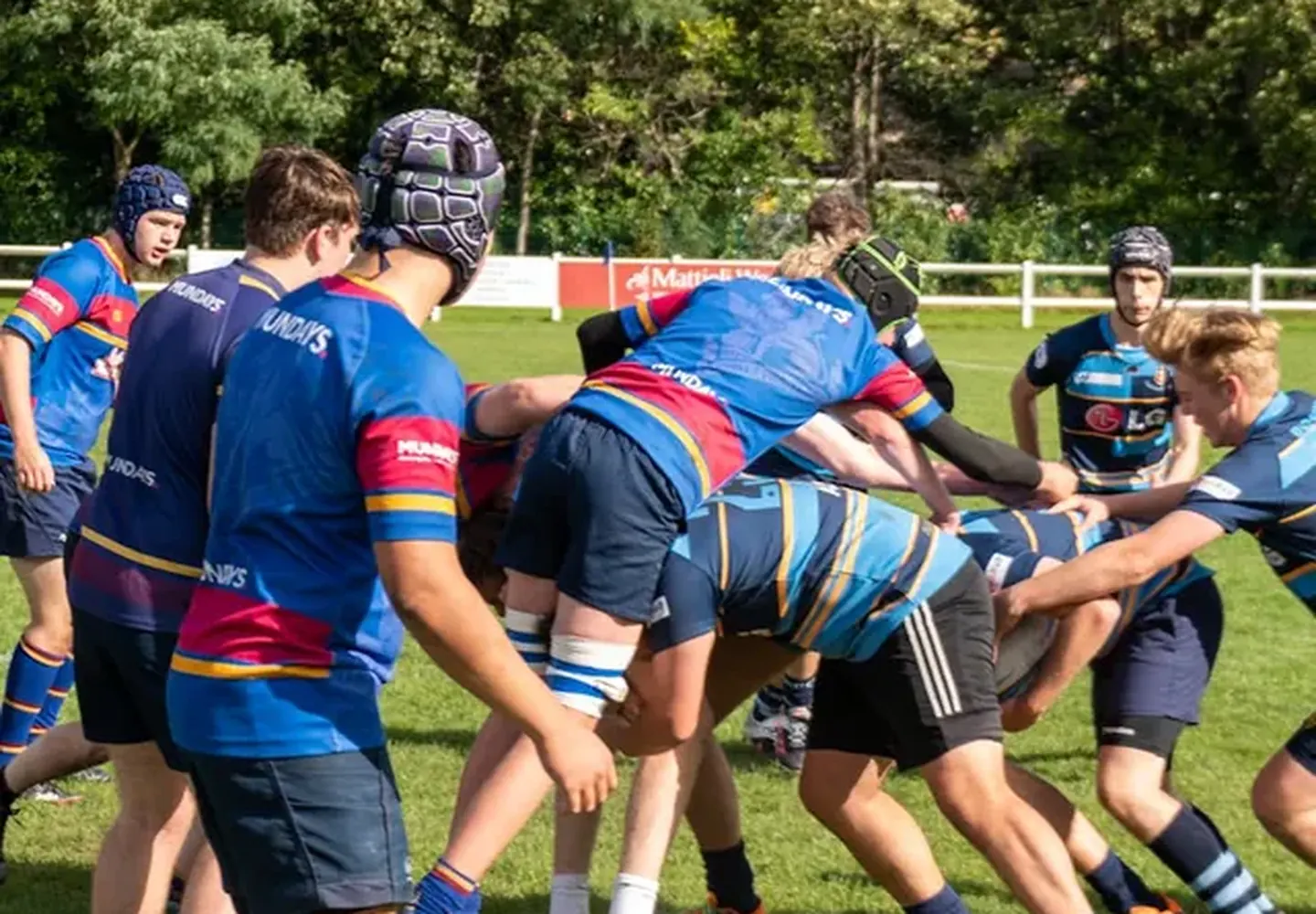
The forwards constitute the physical backbone of any rugby league team. Their primary responsibilities include gaining metres through powerful running, competing in the tackle, and securing possession through the ruck. In many clubs, the forward pack has historically been a source of strength, with players who combine brute force with technical proficiency.
### Prop Forwards (Numbers 8 and 10)
The prop forwards, often referred to simply as “props,” are the heaviest and most powerful players on the field. Their role is fundamentally about direct confrontation. In attack, they take the ball directly into the heart of the defensive line, aiming to bend the opposition’s line and create momentum for their team. In defence, they are expected to make high-impact tackles and absorb significant physical punishment.
Props are the cornerstone of the ruck. After a tackle, the attacking team must play the ball backwards with their foot, and it is the prop’s job to clear the defensive line and allow the dummy half to distribute the ball cleanly. Modern props are also expected to have a high work rate, making repeated runs and tackles throughout an 80-minute contest. Their endurance, despite their size, is a testament to the rigorous conditioning demanded by the NRL.
### Hooker (Number 9)
The hooker is arguably the most specialised position in rugby league. Operating at the centre of the ruck, the hooker acts as the link between the forwards and the backs. Their primary technical skill is the “dummy half” role—receiving the ball from the play-the-ball and deciding whether to pass, run, or kick.
A proficient hooker possesses exceptional passing accuracy, particularly under pressure. They must deliver the ball swiftly and precisely to their halfback or five-eighth to initiate attacking plays. Additionally, hookers are often the team’s most tenacious defenders, making tackles in the congested middle of the field. At the elite level, a hooker’s decision-making is critical; a quick “dart” from dummy half can catch a defensive line off guard, while a poorly timed pass can stall an attacking raid.
The hooker is also responsible for “raking” or “stripping” the ball in the tackle, a skill that can create turnovers. In the modern game, hookers are increasingly mobile, expected to support ball runners and provide a passing option in broken play.
### Second Row Forwards (Numbers 11 and 12)
Second row forwards, or “edge forwards,” occupy a hybrid role. Positioned on the edges of the forward pack, they combine the physicality of a forward with the mobility and ball-handling skills of a back. In attack, they run wide channels, often receiving the ball at pace to exploit mismatches against smaller defenders. They are also key targets for attacking kicks, using their height and leaping ability to contest high balls.
Defensively, second row forwards must be agile enough to slide across the field and cover overlaps, yet robust enough to make dominant tackles. They are often the players who “chase” kicks, applying pressure to the fullback or wingers receiving the ball. The modern second rower is an athlete of considerable versatility, capable of playing extended minutes while maintaining a high intensity.
### Lock Forward (Number 13)
The lock forward, also known as the loose forward, is the third player in the back row. Traditionally, the lock was a ball-playing forward who acted as a link between the forwards and backs. In contemporary rugby league, the lock is often the team’s most complete forward—a player who can run, pass, tackle, and offload with equal proficiency.
The lock’s role is to be the “middle third” defender, covering the central corridor of the field. In attack, they often position themselves behind the play-the-ball, offering a running option or a short pass. Many modern locks are also adept at “second-phase play,” where they offload the ball in the tackle to create broken-field opportunities. This position demands high endurance, as the lock must be involved in almost every play, from the first tackle to the final siren.
The Backline: Speed and Precision
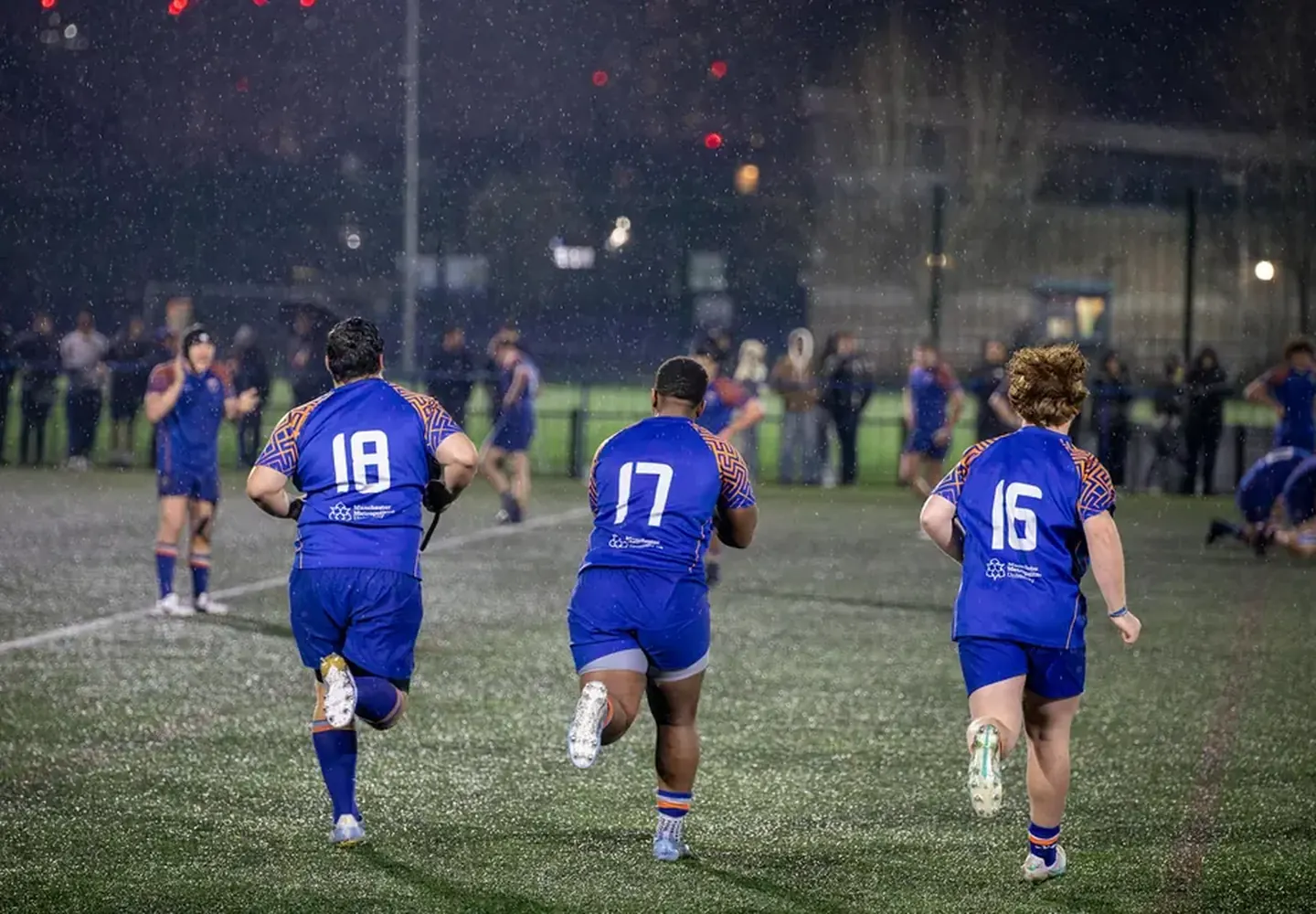
While the forwards provide the platform, the backs are responsible for finishing attacking movements and creating scoring opportunities. The backline is where speed, agility, and tactical kicking come to the fore.
### Halfback (Number 7)
The halfback, or scrum-half, is the team’s primary playmaker. They are the chief organiser of attacking structures, responsible for directing the team’s shape and deciding when to run, pass, or kick. The halfback’s kicking game is a critical weapon; they must be able to execute accurate short kicks for attacking opportunities, as well as long, territorial kicks to relieve pressure.
In defence, the halfback is often the smallest player on the field, but they must be courageous in tackling larger forwards. Their positional awareness is paramount; they need to read the defensive line and anticipate where the ball will go. A great halfback possesses a “football brain”—the ability to see gaps and create opportunities that others cannot.
### Five-Eighth (Number 6)
The five-eighth, or stand-off, operates alongside the halfback in the halves. While the halfback often controls the tempo, the five-eighth is frequently the more creative player, tasked with exploiting defensive weaknesses with running and passing. The five-eighth is often the team’s second playmaker, providing a different attacking dimension.
In the modern NRL, the five-eighth is expected to be a strong runner, capable of breaking the defensive line. They also need a reliable kicking game, as they may share kicking duties with the halfback. The combination between halfback and five-eighth is crucial; their understanding and timing can unlock even the most resolute defence.
### Centres (Numbers 3 and 4)
Centres are the midfield generals of the backline. They are responsible for both attacking creativity and defensive solidity. In attack, centres receive the ball at speed and must decide whether to run directly, pass to their winger, or step inside to create a gap. They are often the players who “straighten” the attack, running directly at the defensive line to create space for their outside men.
Defensively, centres must be excellent one-on-one tacklers. They are tasked with shutting down opposition centres and wingers, often in open space. A missed tackle by a centre can lead directly to a try. Centres also need pace to chase kicks and cover defensive breakdowns.
### Wingers (Numbers 2 and 5)
Wingers are the finishers. Positioned on the edges of the field, their primary role is to score tries. They must possess exceptional speed, agility, and the ability to finish under pressure. Wingers are often the target of attacking kicks, requiring them to have strong aerial skills to contest high balls.
In defence, wingers must be able to track back and cover kicks, as well as make tackles in the corner. They are also responsible for “chasing” kicks—running hard to pressure the opposition fullback. A winger’s ability to beat a defender one-on-one in open space is a prized asset.
### Fullback (Number 1)
The fullback is the last line of defence and the first line of attack. Positioned behind the defensive line, the fullback must read the play and cover kicks, making try-saving tackles and returning the ball with purpose. In attack, the fullback often joins the backline as an extra runner, creating numerical advantages.
The fullback is also a key playmaker in the modern game. They often receive the ball in broken play, where their vision and passing can create scoring opportunities. A fullback must be a safe catcher of high kicks, a strong runner, and a reliable defender. At some clubs, the fullback position has been occupied by some of the game’s greatest talents, whose combination of speed, evasion, and work rate has redefined the role.
Positional Evolution in the Modern NRL
The traditional delineation between forwards and backs has become increasingly blurred in the contemporary NRL. Many coaches have embraced positional fluidity, where players are expected to perform roles beyond their designated number.
The “Utility” Player
The utility player is a modern phenomenon—a player capable of filling multiple positions, often across both forward and back lines. This versatility is invaluable on the interchange bench, where a single player can cover for an injured or fatigued teammate in any position. The utility must have the physicality to play in the forwards and the skill to play in the backs, a rare combination that demands exceptional athleticism.
The “Ball-Playing” Forward
Modern forwards are increasingly expected to handle the ball with the skill of a back. The “ball-playing” forward can offload in the tackle, pass short balls to supporting runners, and even kick on occasion. This evolution has made the forward pack more dynamic, creating attacking opportunities from positions that were previously purely physical.
The “Running” Halfback
While halfbacks were traditionally seen as distributors, the modern game has seen an increase in halfbacks who run the ball aggressively. These players use their running threat to draw defenders, creating space for their outside men. This shift has made the halves more dangerous and unpredictable.
Match-Day Context: How Positions Interact
Understanding individual positions is only half the story. The true art of rugby league lies in how these positions interact on the field.
The Kick-Off and Set Restarts
The game begins with a kick-off, where the fullback or a designated kicker sends the ball deep into opposition territory. From there, the forwards engage in the first collisions, aiming to establish field position. The hooker then distributes the ball from the ruck, and the halves take control, directing the attack.
The Attacking Set
A typical attacking set involves the forwards taking the first few runs, “building pressure” by gaining metres. The halfback or five-eighth then orchestrates the final plays, often using kicks or short balls to create scoring opportunities. The centres and wingers are the primary targets for these plays, while the fullback supports from behind.
The Defensive Set
In defence, the forwards form the “middle third,” making tackles and slowing down the play-the-ball. The backs slide across the field, covering overlaps and shutting down space. The fullback is the “sweeper,” covering kicks and making last-ditch tackles.
The Role of the Interchange
The NRL allows a set number of interchanges per match, allowing coaches to rotate players and maintain intensity. The interchange bench typically includes a mix of forwards and a utility player. Fresh forwards can provide a surge of energy, while a fresh back can exploit tired defenders.
Grassroots and Fan Understanding
For the grassroots player or the dedicated fan, understanding positions is the foundation of deeper engagement. When you watch a match, recognising the roles of each player allows you to appreciate the tactical battles unfolding.
- Why does the hooker always pass from the ruck? Because they are the link player, ensuring quick distribution.
- Why does the fullback often join the attack? To create an extra man and exploit overlaps.
- Why do props run directly into the defence? To “earn the right” to go wide by softening the defensive line.
Conclusion: The Art of the Thirteen
Rugby league is a game of structure and discipline, where each of the thirteen players has a defined role that contributes to the collective effort. From the powerful prop forward to the elusive fullback, every position demands specific skills and a willingness to sacrifice for the team.
As you continue your journey with the sport, take the time to observe how these positions interact. Watch how the forwards create momentum, how the halves orchestrate the attack, and how the backs finish the opportunities created. This understanding will enrich your enjoyment of the game and deepen your connection to one of Australia’s most storied clubs.
Whether you are a newcomer or a seasoned follower, the beauty of rugby league lies in its complexity. Embrace the positions, and you will unlock a new dimension of the sport.
Reader Comments (6)