

So you're a footy fan, a grassroots coach, a parent of a junior player, or maybe even a young gun yourself, wondering what the path to elite rugby league actually looks like. You've watched top-level teams run out at major stadiums, seen star fullbacks slice through defences, and marvelled at playmakers' vision. But how do you get from kicking a footy in the backyard to pulling on that famous jersey?
The truth is, elite rugby league players don't just appear overnight. They hit specific skill progression milestones at different ages. Whether you're coaching under-6s, training with your local club, or just trying to understand what it takes, this checklist will give you a practical roadmap. By the end, you'll know exactly what skills to focus on at each age group, plus the gear and drills that make it happen.
Let's get into it.
Prerequisites / What You Need
Before we dive into the milestones, here's what you'll need to make this work:
- A quality footy – size 3 for ages 5–8, size 4 for 9–12, size 5 for 13+
- Proper boots – look for appropriate stud pattern, ankle support, and fit
- Training cones – for agility and footwork drills
- A tackle bag or pads – for safe contact work (ages 10+)
- A stopwatch or phone timer – for speed and conditioning drills
- Patience – skill progression takes time, not overnight miracles
- Access to a safe playing surface – grass preferred, avoid concrete
Step-by-Step Skill Progression Milestones by Age Group
Step 1: Ages 5–7 – The Fundamentals of Movement and Ball Handling
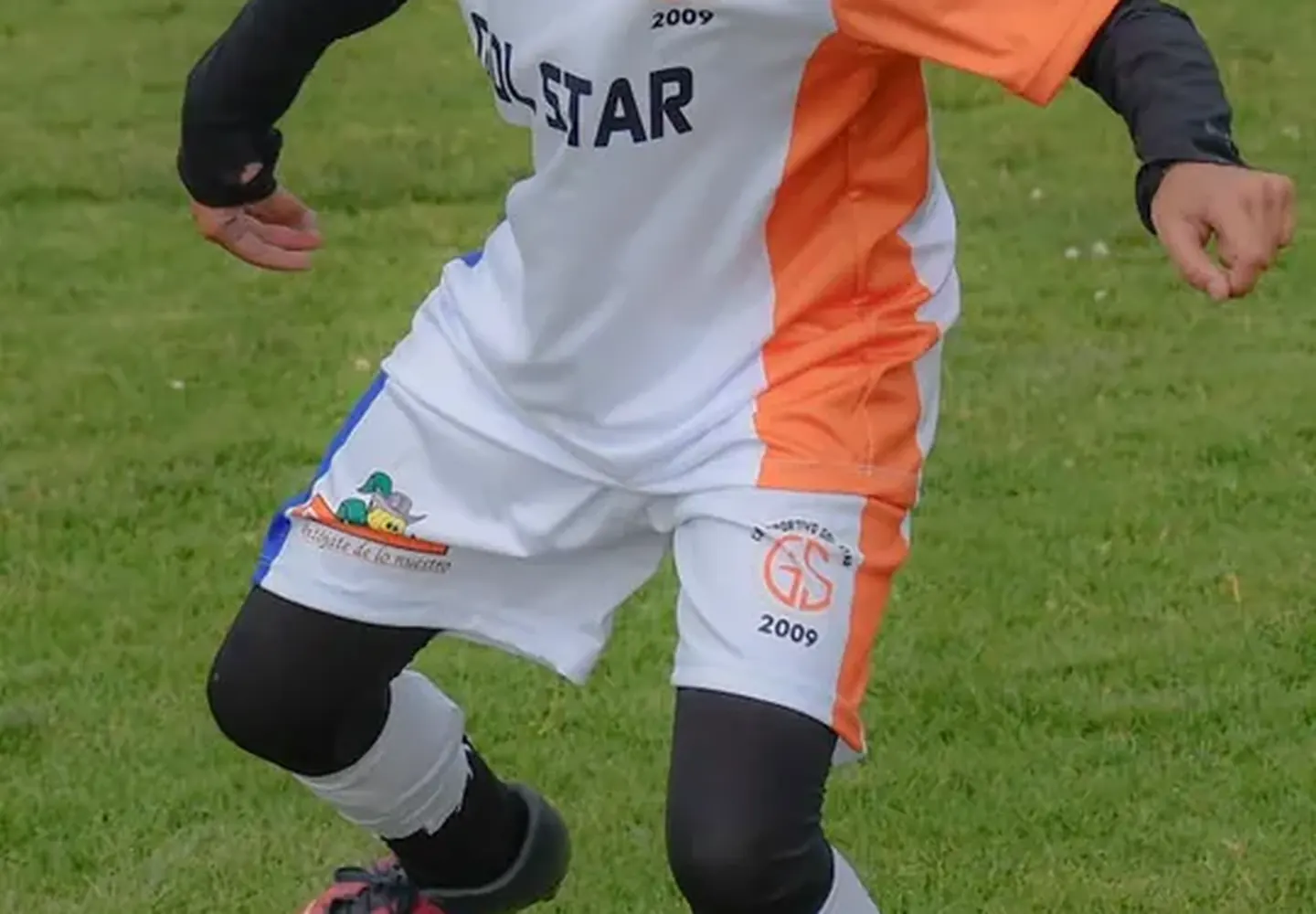
This is the "fun first" stage. At this age, kids aren't ready for structured plays or complex tactics. They need to fall in love with the footy.
Key milestones:
- Catching a basic pass from 2–3 metres away (both hands, chest height)
- Running while holding the ball securely (two hands, ball tucked into the chest)
- Kicking a stationary ball off the ground (no pressure, just making contact)
- Basic evasion – side-stepping around a cone or a stationary partner
- Understanding the concept of "forward" and "backward" passes (rugby league's 10-metre rule can wait)
- Fun games like "tag" with a footy, "keepings off" in small groups
- No tackling – this age is about spatial awareness and confidence
- Short sessions (20–30 minutes max) to avoid burnout
Step 2: Ages 8–10 – Building Core Skills and Game Awareness
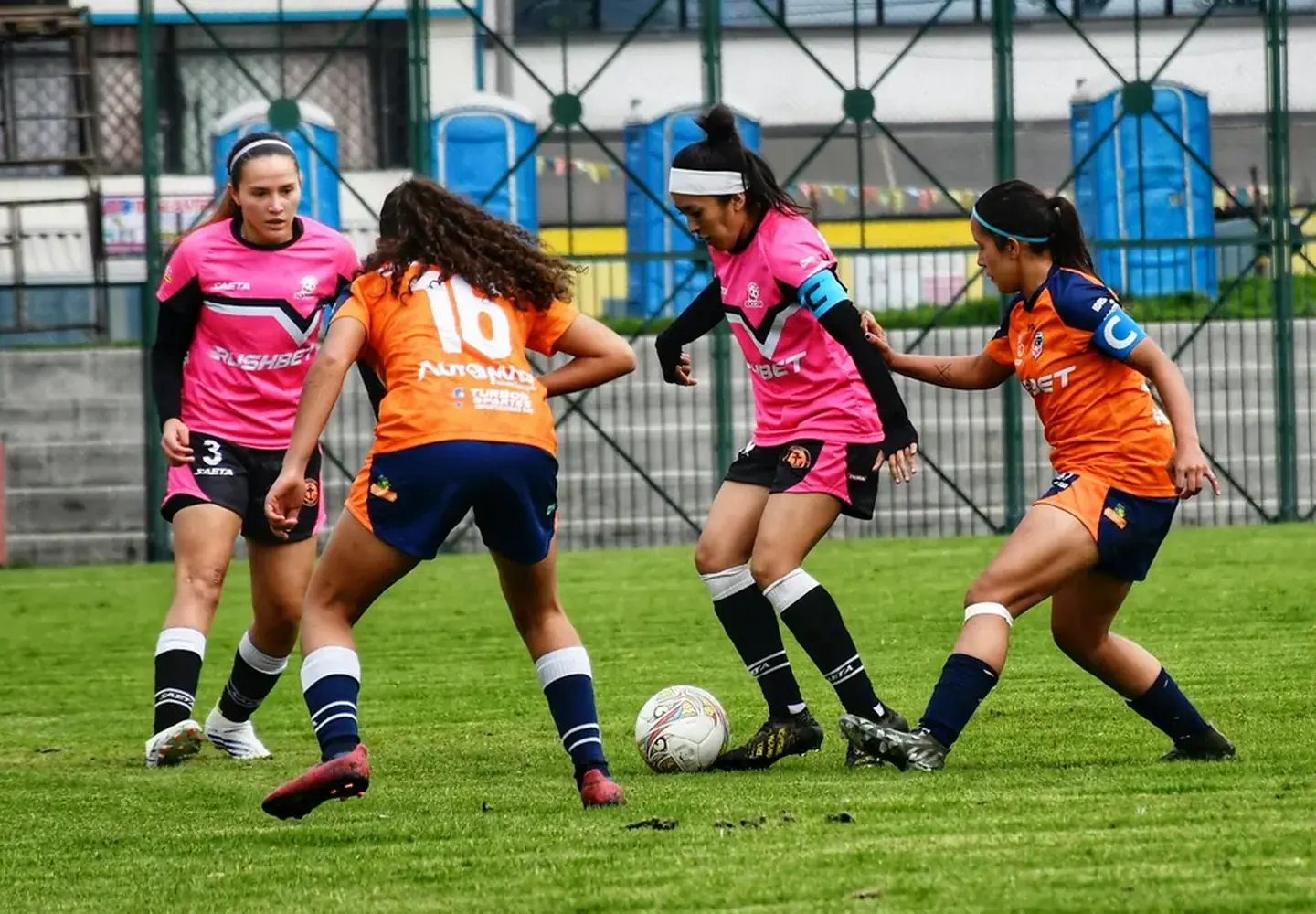
Now we're getting serious, but still keeping it playful. Kids at this age can grasp basic rules and start working on technique.
Key milestones:
- Consistent catching of chest-high and waist-high passes from 5 metres
- Passing the ball accurately to a moving target (both left and right, within 5 metres)
- Kicking a rolling ball on the run (drop punt style, 10–15 metres)
- Basic tackling technique – shoulder contact, head to the side, wrapping the arms (on tackle bags only)
- Running a simple support line – following the ball carrier and calling for a pass
- Understanding the 10-metre offside rule (basic, not perfect)
- Introduce tackling drills using tackle bags or padded shields – never full contact with other kids at this stage
- Small-sided games (4v4 or 5v5) to maximise touches
- Emphasise "eyes up" footy – scanning for teammates and space
- Start basic conditioning: short sprints (10–20 metres), agility ladders
Step 3: Ages 11–13 – Refining Technique and Introducing Structure
This is where the game starts to look like real rugby league. Kids are growing, coordination is improving, and they can handle more complexity.
Key milestones:
- Passing under pressure – hitting a target while a defender approaches (within 2 seconds)
- Kicking for distance (30–40 metres) and accuracy (aiming for a specific zone)
- Executing a basic dummy half pass (quick, accurate, from the ground)
- Tackling in motion – moving sideways or backwards, wrapping the legs
- Reading the play – identifying when to run, pass, or kick based on defensive alignment
- Basic set plays – hit-ups from dummy half, simple backline moves (e.g., "sweep" or "wrap")
- Defensive line speed – moving up as a unit, not rushing individually
- Full-contact training is now appropriate, but supervised and structured – no "bash 'em up" drills
- Introduce position-specific skills: halves work on kicking and passing, forwards on hit-ups and offloads, backs on speed and evasion
- Conditioning becomes important: interval running, change of direction, core strength
- Video analysis (even basic) – show them what good looks like
Step 4: Ages 14–16 – Game Management and Advanced Skills
This is the age where talent starts to separate. Physical maturity varies wildly, so focus on skill and IQ over brute force.
Key milestones:
- Kicking under pressure – clearing from your own line, finding touch, grubber kicks into the in-goal
- Passing off both sides with pace and accuracy (10–15 metres, flat or cut-out)
- Offloading in the tackle – keeping the ball alive while being wrapped up
- Defensive reads – sliding as a unit, covering gaps, communicating
- Kicking for goal (conversions) – basic technique, consistency from 20–30 metres out
- Understanding game situations – when to take the tackle, when to play the ball quickly, when to kick
- Basic leadership – calling plays, organising the defensive line, encouraging teammates
- Positional specialisation is fine, but don't pigeonhole players – let them try multiple positions
- Strength and conditioning should be age-appropriate – bodyweight exercises, not heavy weights
- Emphasise decision-making under fatigue – drills that simulate the last 10 minutes of a game
- Introduce "pressure" drills – time limits, defenders closing in, loud noise (simulating crowd)
Step 5: Ages 17+ – Elite Preparation and Professional Mindset
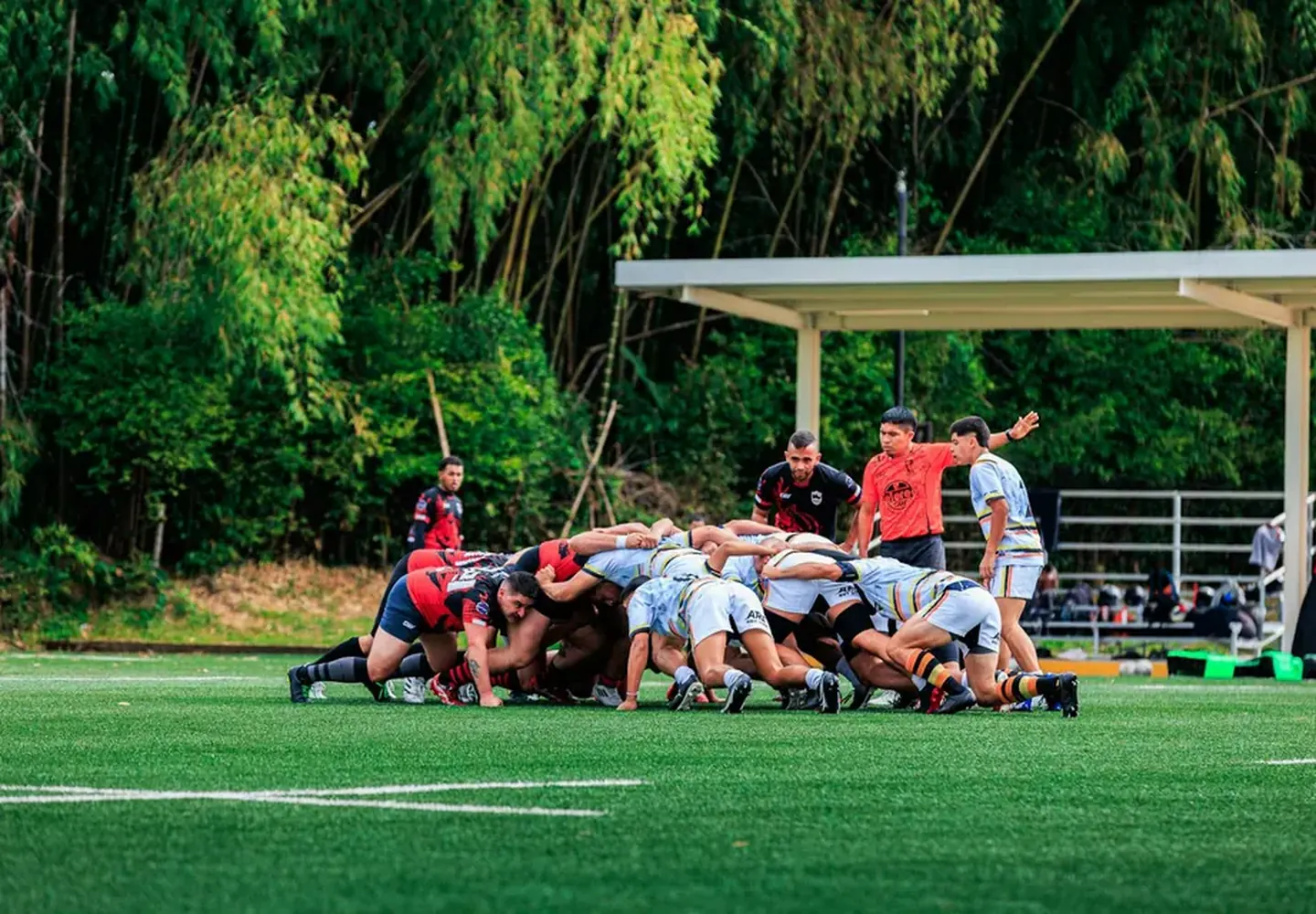
This is the final hurdle before senior footy or professional pathways. At this stage, the physical and mental demands are high.
Key milestones:
- Match fitness – ability to maintain intensity for 80 minutes (running 8–12km per game depending on position)
- Elite passing – long cut-out passes (20+ metres), skip passes, no-look passes
- Kicking variety – bombs, grubbers, chip kicks, and short kicks for repeat sets
- Defensive resilience – making multiple tackles in a set, covering kicks, chasing hard
- Game IQ – reading opposition structures, exploiting mismatches, adjusting tactics mid-game
- Leadership – taking ownership of team performance, communicating under pressure
- Professional habits – nutrition, sleep, recovery, film study, attitude
- Full-contact training with intensity, but smart management to avoid injury
- Position-specific conditioning (e.g., props need explosive power, fullbacks need endurance and speed)
- Mental skills – visualisation, breathing techniques, handling adversity
- Exposure to senior footy – play in open age or reserve grade to test yourself
Pro Tips / Common Mistakes
Pro Tips
- Start with the basics, always. Even elite players drill the fundamentals every session. Don't skip catching and passing for flashy moves.
- Film yourself or your players. You don't need fancy equipment – a phone on a tripod works. Watch back your footwork, passing angles, and defensive positioning. You'll spot things you miss in real time.
- Train with a purpose. Every drill should mimic a game situation. If you're doing a passing drill, add a defender. If you're doing a tackling drill, add a ball carrier running at speed.
- Rest is training too. Recovery days, proper sleep, and nutrition are non-negotiable for long-term development. High-performance programs don't skimp on recovery – neither should you.
- Cross-train. Play other sports in the off-season – touch footy, basketball, athletics. It improves agility, coordination, and reduces overuse injuries.
Common Mistakes
- Specialising too early. Kids who only play rugby league from age 8 often burn out or develop repetitive strain injuries. Let them play multiple sports until at least 14.
- Ignoring the non-dominant side. Most players can only pass and kick off one side. Elite players can go both ways. Drill the weak side every session.
- Overtraining. More is not better. Quality over quantity. Two focused sessions of 60 minutes are better than one sloppy two-hour session.
- Neglecting defence. Everyone wants to score tries. But the best teams win with defence. Drill tackle technique, line speed, and communication.
- Comparing to others. Every player develops at their own pace. Some hit milestones early, others late. Focus on individual progress, not the kid who's already 6 foot 2 at age 14.
Checklist Summary
Here's your quick-reference checklist for rugby league player skill progression by age group:
Ages 5–7
- Catching basic passes from 2–3 metres
- Running with ball secured (two hands, chest tuck)
- Kicking a stationary ball off the ground
- Basic evasion (side-step around cones)
- Understanding forward/backward pass concept
- Fun, short sessions (20–30 mins)
Ages 8–10
- Consistent catching (chest and waist height, 5 metres)
- Accurate passing to moving targets (both sides)
- Kicking on the run (drop punt, 10–15 metres)
- Basic tackling technique (on bags only)
- Running support lines
- Understanding 10-metre offside rule
- Small-sided games (4v4 or 5v5)
Ages 11–13
- Passing under pressure (within 2 seconds)
- Kicking for distance (30–40 metres) and accuracy
- Dummy half pass (quick, from ground)
- Tackling in motion (moving sideways/backwards)
- Basic play reading (run, pass, or kick)
- Simple set plays (hit-ups, backline moves)
- Defensive line speed
- Full-contact training (supervised)
Ages 14–16
- Kicking under pressure (clearing, grubbers, finding touch)
- Passing off both sides (10–15 metres, flat/cut-out)
- Offloading in the tackle
- Defensive reads (sliding, covering gaps)
- Goal kicking (conversions, 20–30 metres)
- Game situation awareness
- Basic leadership (calling plays, organising)
- Age-appropriate strength and conditioning
Ages 17+
- Match fitness (80 minutes, 8–12km)
- Elite passing (long cut-outs, skip passes)
- Kicking variety (bombs, grubbers, chips)
- Defensive resilience (multiple tackles, kick chase)
- Game IQ (reading structures, exploiting mismatches)
- Leadership (ownership, communication)
- Professional habits (nutrition, sleep, recovery)
- Position-specific conditioning
Final Word
Skill progression in rugby league isn't a straight line. Some kids hit milestones early, others bloom later. The key is consistent, smart training at each age group, focusing on the right things at the right time.
Whether you're a parent wanting to help your kid enjoy footy, a coach building a junior team, or a player dreaming of playing at the highest level, this checklist gives you a clear path. Start where you are, work through the milestones, and remember – even the best players started by learning to catch a simple pass.
For more on player development, check out our guides on training drills for beginners and the best gear for footy players. And if you're looking to get involved, get down to your local club – grassroots programs are a great way to start.
Now get out there and train smart.
Reader Comments (0)