

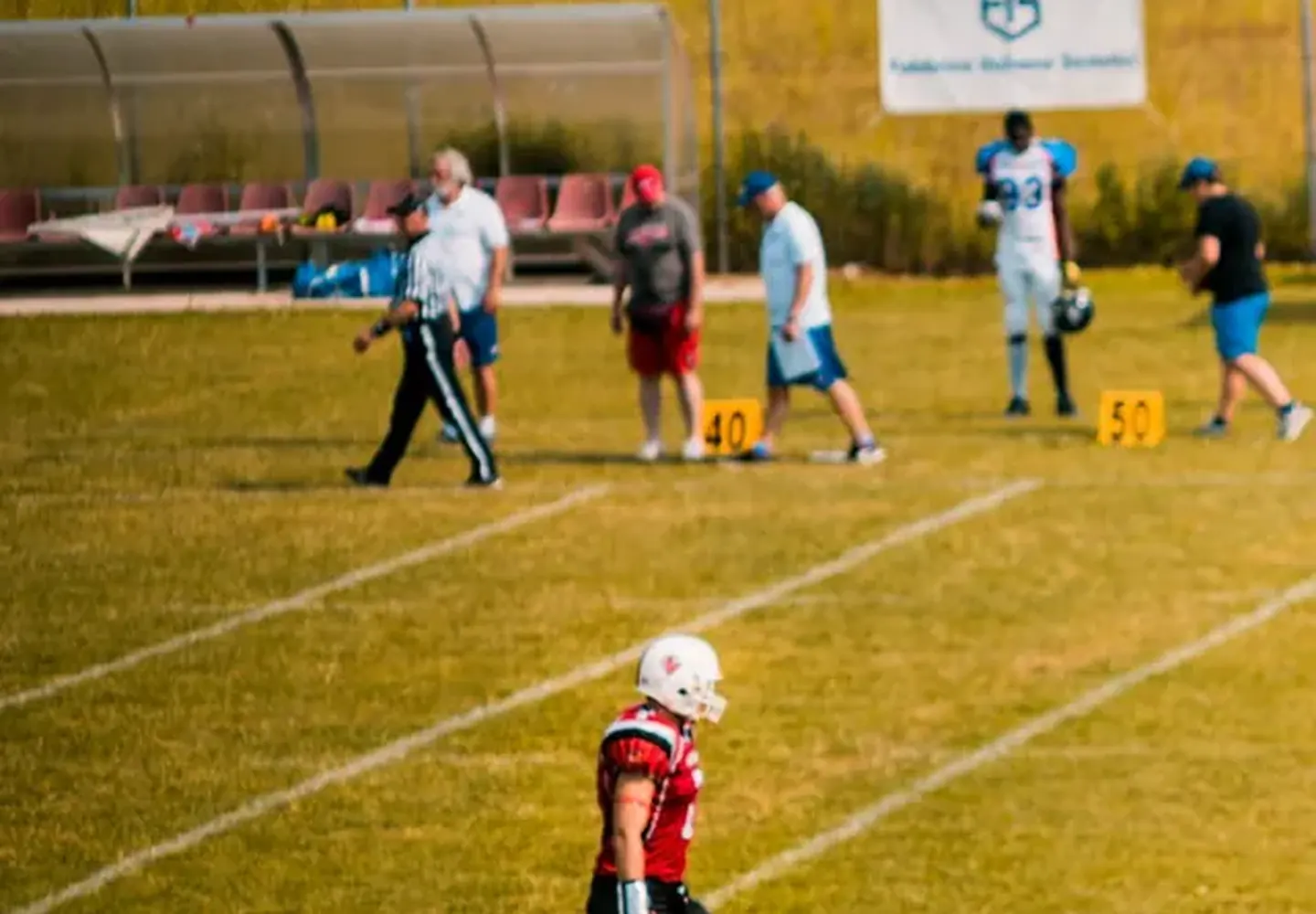
Look, we've all been there. You're buzzing to get out on the paddock, the crowd's getting loud, and you just want to rip in. But here's the thing—skipping your warm-up is like trying to drive from Bondi to the city with the handbrake on. It's not going to end well.
Whether you're a junior pulling on the jersey for the first time, a weekend warrior at your local club, or a coach running drills for your under-16s, getting the warm-up right is your best bet for staying on the field rather than watching from the sideline. This isn't about some fancy gym routine you'll never stick to. This is a practical, no-nonsense warm-up that'll have you ready to tackle, run, and hit holes without pulling up lame after five minutes.
By the end of this guide, you'll have a complete warm-up checklist that covers everything from getting the blood flowing to priming those rugby league-specific movements. Let's get into it.
What You'll Need
Before we start, let's make sure you've got the basics sorted:
- Appropriate training gear: Shorts, boots, and a training top. Nothing too restrictive.
- Space to move: About 20 metres of clear ground. A corner of the oval or a patch at training will do.
- Water bottle: Stay hydrated, legends.
- A mate or two: Some drills work better with a partner, but you can adapt most of them solo.
- 5–10 minutes minimum: A rushed warm-up is barely better than none. Give yourself time.
Step 1: Get the Blood Flowing (Light Cardio)
You wouldn't fire up a V8 and redline it straight away, right? Same goes for your body. Start with 3–5 minutes of gentle movement to raise your heart rate and get synovial fluid moving through your joints.
What to do:
- Jogging on the spot or a light lap of the field
- High knees (easy pace, not sprinting)
- Butt kicks (heel to glutes, nice and controlled)
- Side shuffles (keep those hips loose)
Step 2: Dynamic Stretching (Hold the Static Stretches)
Here's where a lot of footy fans get it wrong. That old-school static stretch—where you hold a hamstring stretch for 30 seconds—actually switches off your muscles' springiness. For rugby league, you want your muscles ready to fire, not go to sleep.
Dynamic stretching is the go. Move through a full range of motion without holding the end position.
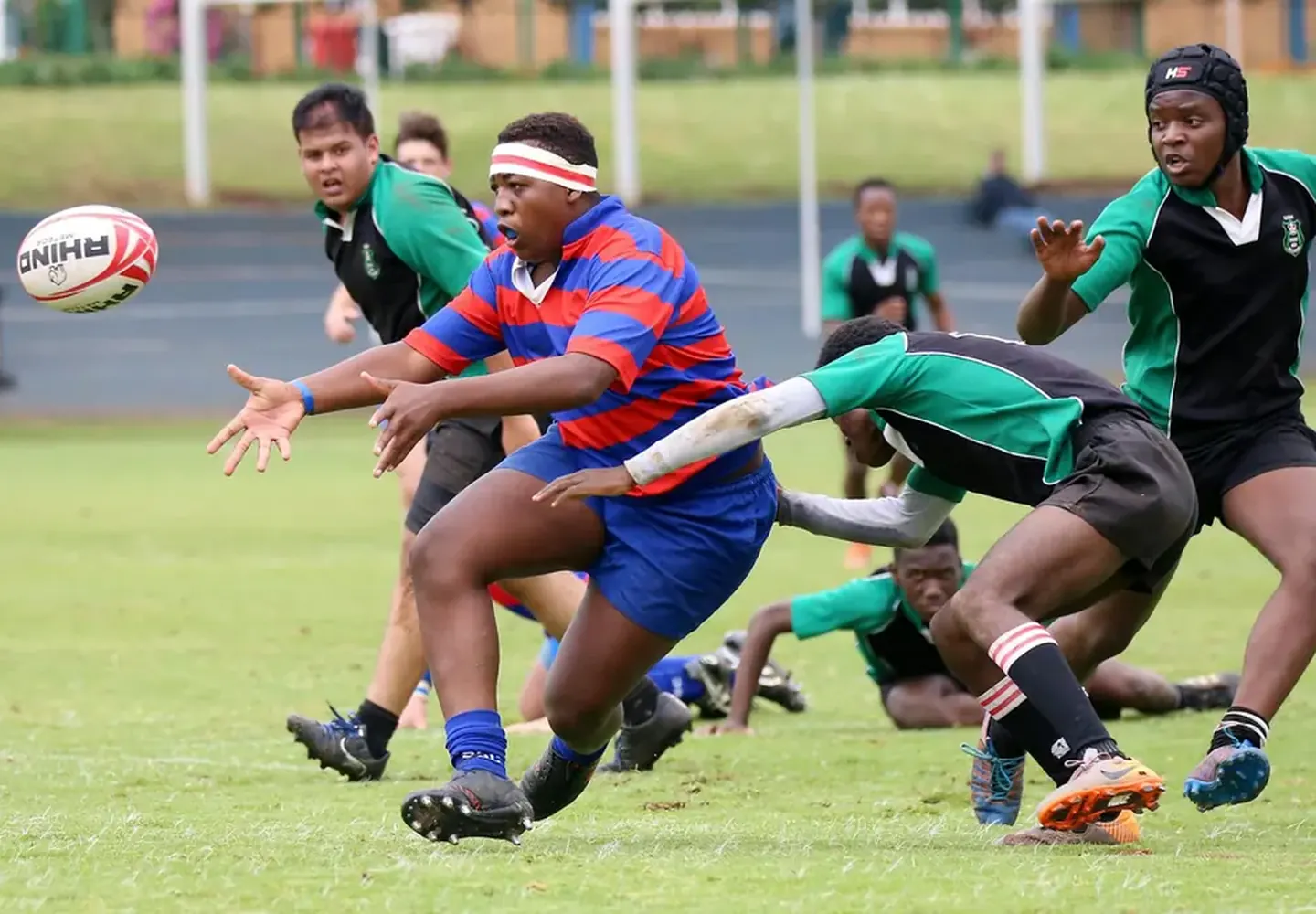
What to do (2–3 minutes):
- Leg swings (forward and back, then side to side) – 10 each leg
- Walking lunges with a torso twist – 8 each side
- Hip circles (hands on hips, big circles) – 10 each direction
- Arm circles (forward and back) – 10 each
- Torso twists (feet shoulder-width, twist side to side) – 10 each side
Step 3: Activate the Key Muscle Groups
Rugby league is a contact sport. Your glutes, hamstrings, quads, and core are your armour. If they're asleep, you're asking for trouble. Activation means waking up those muscles so they're ready to work.
What to do (2–3 minutes):
- Glute bridges: Lie on your back, knees bent, feet flat. Drive your hips up, squeeze your glutes at the top. 10 reps.
- Bird dogs: On all fours, extend one arm and the opposite leg. Hold for 2 seconds. 8 each side.
- Plank holds: 30 seconds. Keep that core tight, don't let your hips sag.
- Mini-band walks: If you've got a resistance band, put it around your ankles and side-step. 10 steps each direction.
Step 4: Sport-Specific Movements
Now we're cooking. This is where your warm-up starts looking like footy. You're not just moving your body—you're rehearsing the movements you'll do in a game. This builds what coaches call "motor patterns" and reduces the risk of doing something your body isn't ready for.
What to do (3–5 minutes):
A) Acceleration and deceleration drills
- 5-metre sprints from a low stance (like you're chasing a kick)
- Followed by a quick stop and change of direction
- 3–4 reps
- Shuffle 5 metres one way, plant, and explode the other way
- 4 reps each direction
- If you've got a mate, do 5–10 quick passes at increasing intensity
- If solo, mimic the passing motion with a ball or just your hands
- With a partner, do 3–4 shoulder-to-shoulder bumps at about 50% effort
- Keep it controlled—this isn't a wrestle
Step 5: Build to Intensity (The Final Push)
Your warm-up should peak just before the whistle blows. This last step takes you from "ready to move" to "ready to compete." You want your heart rate up, your muscles primed, and your mind focused.
What to do (2–3 minutes):
- 3 x 20-metre sprints at about 80–90% effort
- Walk back between each one
- Add a change of direction at the end of the last sprint

Step 6: Cool-Down (Yes, It's Part of the Warm-Up)
Wait, what? A cool-down as part of a warm-up? Hear me out. After you've done all that work, your body is warm, your muscles are loose, and your joints are mobile. This is the perfect time to do a quick mobility check and some light static stretching—while your muscles are still warm.
What to do (2–3 minutes):
- Quad stretch (pull your heel to your glutes, hold 20 seconds each side)
- Hamstring stretch (leg up on a teammate's shoulder, gentle lean forward)
- Calf stretch (step back, push the heel down)
- Hip flexor stretch (lunge position, push hips forward)
Pro Tips & Common Mistakes
Pro Tips
- Make it a habit: Your warm-up should be as automatic as tying your boots. Don't decide on the day—have a routine you follow every time.
- Adapt to conditions: Cold weather? Add an extra minute of cardio. Wet ground? Focus on balance and stability drills. Hot day? Keep it shorter but stay hydrated.
- Listen to your body: If something feels tight or off during the warm-up, don't push through. Drop the intensity, add a few extra dynamic stretches, and if it persists, see a professional.
- Use your time wisely: A good warm-up takes 10–15 minutes. That's nothing compared to the weeks you'll lose to an avoidable injury.
- Involve the team: If you're a coach, make warm-ups part of your culture. Fans expect professionalism—start with the basics.
Common Mistakes
- Skipping it entirely: The biggest mistake. "I'll warm up during the first few minutes" is a recipe for a hamstring pop.
- Static stretching first: Holding stretches before you're warm reduces power output and increases injury risk.
- Going too hard too early: If you're blowing up after the warm-up, you've done too much. Save your gas for the game.
- Ignoring the upper body: Rugby league is all about contact and passing. Don't just warm up your legs—get those shoulders and arms ready too.
- Rushing through it: A 3-minute warm-up is better than nothing, but barely. Give it the time it deserves.
Your Rugby League Warm-Up Checklist
Print this out, stick it in your kit bag, or screenshot it on your phone. Tick each one off before you hit the field.
- Light cardio (3–5 mins): Jog, high knees, butt kicks, side shuffles
- Dynamic stretching (2–3 mins): Leg swings, walking lunges with twist, hip circles, arm circles, torso twists
- Muscle activation (2–3 mins): Glute bridges, bird dogs, plank holds, mini-band walks (if available)
- Sport-specific movements (3–5 mins): Acceleration/deceleration drills, lateral shuffles, catch and pass simulation, light contact (optional)
- Build to intensity (2–3 mins): 3 x 20-metre sprints at 80–90% effort
- Cool-down mobility (2–3 mins): Quad stretch, hamstring stretch, calf stretch, hip flexor stretch
Final Word
Look, I get it. Warm-ups aren't the flashy part of footy. No one's going to post a video of you doing leg swings on social media. But here's the thing—every team that has succeeded, every player who's lifted a trophy, has done the work before the work. Coaches don't send their players out cold. Elite players don't skip the basics before a big game.
Your body is your most important piece of equipment. Treat it like one. A proper warm-up isn't optional—it's non-negotiable if you want to play the game you love for as long as possible.
Now get out there, warm up properly, and rip in. See you on the field.
For more footy development tips, check out our guides on speed and agility drills and player mental toughness training. And if you're looking to level up your gear, head over to our player development hub for everything you need to train like a pro.
Reader Comments (0)