

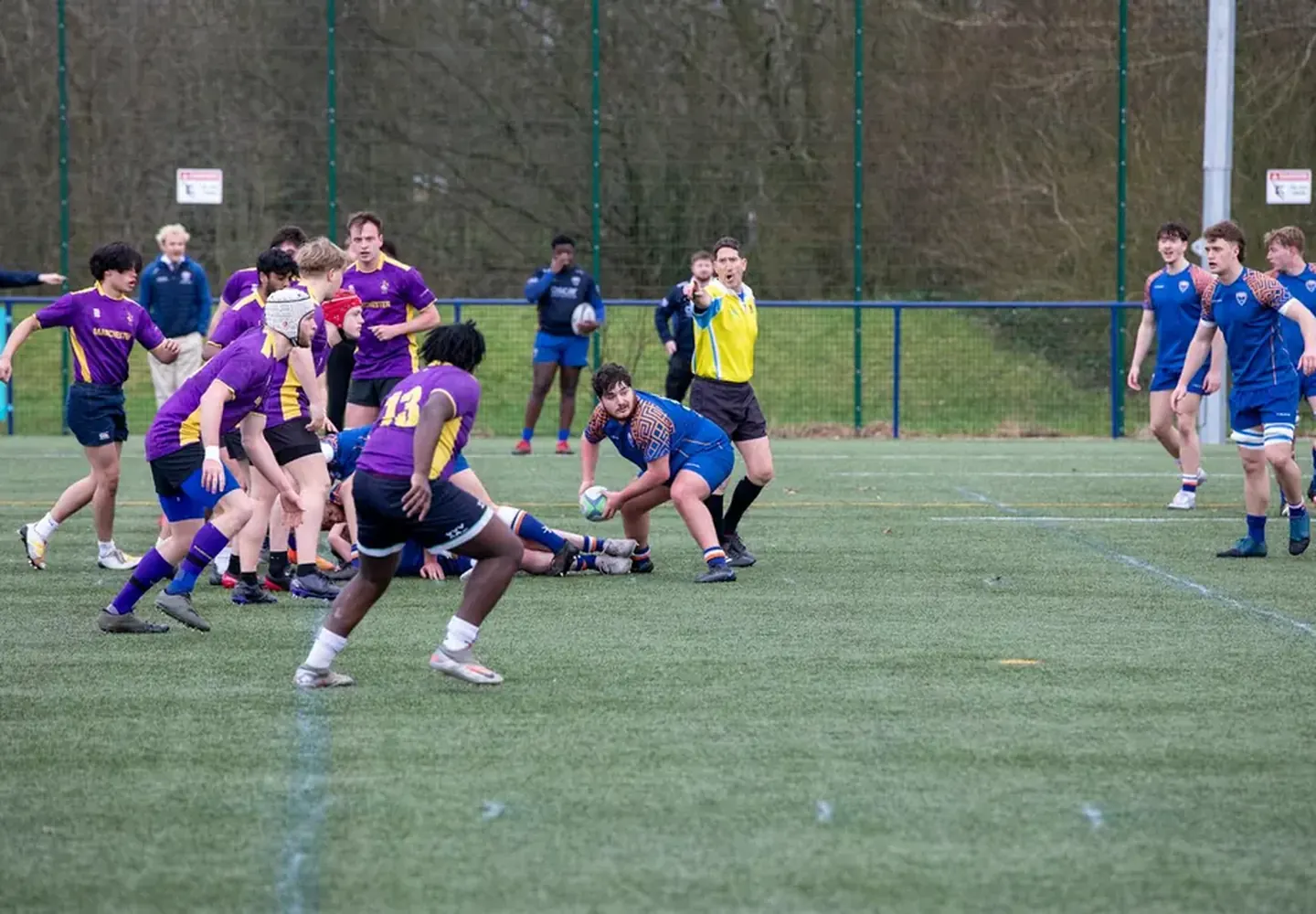
Getting your body ready for a game of rugby league isn't just about jogging onto the field and hoping for the best. Whether you're pulling on the jersey for a local club match or just trying to improve your own game, a proper warm-up routine can be the difference between a standout performance and spending the second half on the sideline with a pulled hamstring.
A proper warm-up routine is something the professionals take seriously, and a big part of that starts before the whistle even blows. So let's break down exactly what you need to do to get your body ready for the physical demands of rugby league.
What You'll Achieve
By the end of this guide, you'll have a complete, step-by-step warm-up routine that you can use before training or match day. You'll understand why each stage matters, what common mistakes to avoid, and how to structure your pre-game preparation like the professionals do. No more guessing, no more rushing through a few stretches and hoping for the best.
What You'll Need
Before we get into the routine itself, make sure you've got these basics sorted:
- Proper footwear: Your boots should be laced properly and comfortable. If you want to know which boots are best for the season ahead, check out our guide on the best AFL boots for 2025 – the principles apply just as much to league.
- Training gear: Shorts, jersey (or training singlet), and socks. Nothing too restrictive.
- Water bottle: You'll be sweating before the game even starts.
- A watch or phone: To time your intervals properly.
- Space: About 20-30 metres of clear ground for running drills.
The Complete Rugby League Warm-Up Routine
This routine should take you between 15-25 minutes depending on how thorough you want to be. The key is consistency – do this before every session, not just when you remember.
Step 1: Light Cardiovascular Activation (3-4 minutes)
Start with some gentle movement to increase your heart rate and blood flow. This isn't about exhausting yourself – it's about waking your body up.
Begin with a slow jog around the field or in your available space. Keep it relaxed, arms swinging naturally. After about a minute, introduce some movement variations:
- Side shuffles (10 metres each direction)
- High knees (10 metres)
- Butt kicks (10 metres)
- Backwards jogging (10 metres)
Step 2: Dynamic Stretching (5-7 minutes)
This is where most people get it wrong. Static stretching – where you hold a stretch for 30 seconds – is best saved for after the game or during recovery sessions. Before a match, you need dynamic stretching that takes your joints through their full range of motion.
Work through these exercises, doing 8-10 reps on each side:
Leg swings (forward and sideways): Hold onto a goalpost or a teammate's shoulder. Swing one leg forward and backward, gradually increasing the height. Then face sideways and swing your leg across your body and out to the side.
Walking lunges with a twist: Step forward into a lunge, then rotate your upper body toward the front leg. This opens up your hips and mobilises your spine – perfect for those twisting tackles.
Hip circles: Stand on one leg and circle the other knee in both directions. This mobilises the hip joint, which takes a beating in league.
Arm circles and shoulder rolls: Large circles forward and backward, then shoulder rolls. Your shoulders are going to cop plenty of contact, so get them moving.
Trunk rotations: Stand with feet shoulder-width apart and rotate your upper body left and right. Keep your hips facing forward – this is all about spinal mobility.
Step 3: Sport-Specific Movement Patterns (3-4 minutes)
Now we're getting into the movements that actually look like rugby league. This stage bridges the gap between general preparation and game readiness.
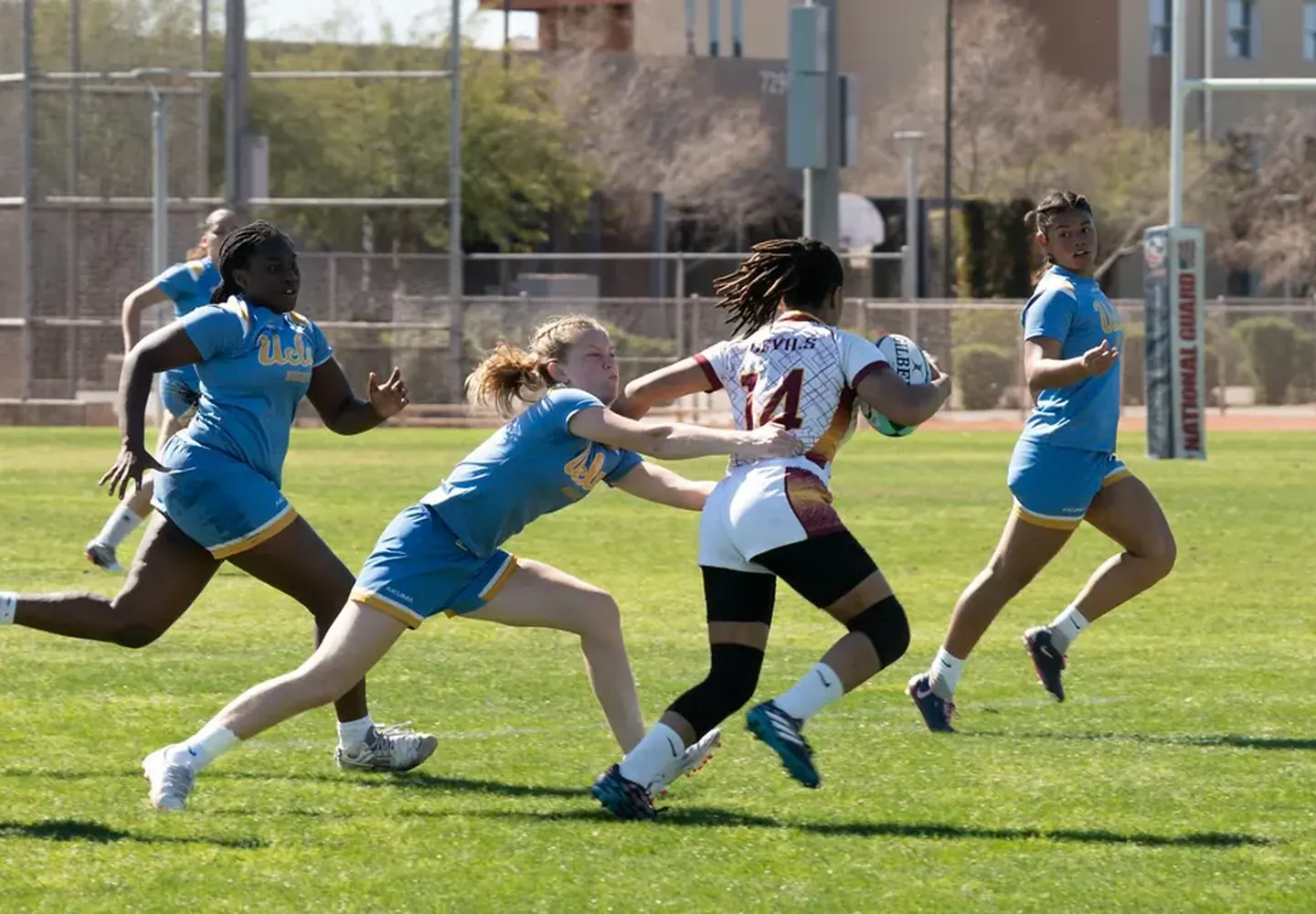
Carioca (grapevine) drills: Run sideways, crossing one foot in front of the other, then behind. This improves hip mobility and coordination.
Acceleration starts: From a three-point stance (like you're about to chase a kick), explode forward for 5-10 metres. Walk back and repeat three times.
Change of direction: Set up two cones 5 metres apart. Sprint to the first cone, plant your outside foot, and change direction. This mimics what you'll do when a halfback steps through the line.
Backpedal and sprint: Start facing away from where you're going to run. Backpedal for 5 metres, then turn and sprint forward for 10 metres. This is crucial for defensive reads.
Step 4: Ball Work and Skills (3-5 minutes)
Your warm-up should include handling the ball. The game is a game of milliseconds, and your hands need to be ready from the first tackle.
Simple catch and pass: Stand 5 metres from a teammate. Pass the ball back and forth, focusing on clean spirals and soft hands. Do this at increasing speed.
Offload practice: Have a teammate run at you while you practice offloading the ball in the tackle. Keep it light – no need to smash each other before the game.
Kicking: If you're a kicker, hit a few spirals or bombs. Nothing too intense – just enough to find your range. Even if you're not the designated kicker, a few drop punts will warm up your legs.
Step 5: High-Intensity Efforts (2-3 minutes)
This is the final stage before you're ready to play. You need to simulate the intensity of a game without exhausting yourself.
Three-quarter pace sprints: Run 30-40 metres at about 80% effort. Walk back and repeat twice.
Reactive starts: Have a teammate clap or shout. React and sprint 10 metres. This primes your nervous system for the quick reactions you'll need.
One-on-one defensive drill (light): If you have a training partner, do a light version of a tackle drill. Focus on footwork and body position rather than contact.
Pro Tips for a Better Warm-Up
Here are some tips that can take your warm-up from good to great:
Time it right: Your warm-up should finish about 5 minutes before kick-off. If you finish too early, you'll cool down. If you finish too late, you'll be gasping for air in the first set.
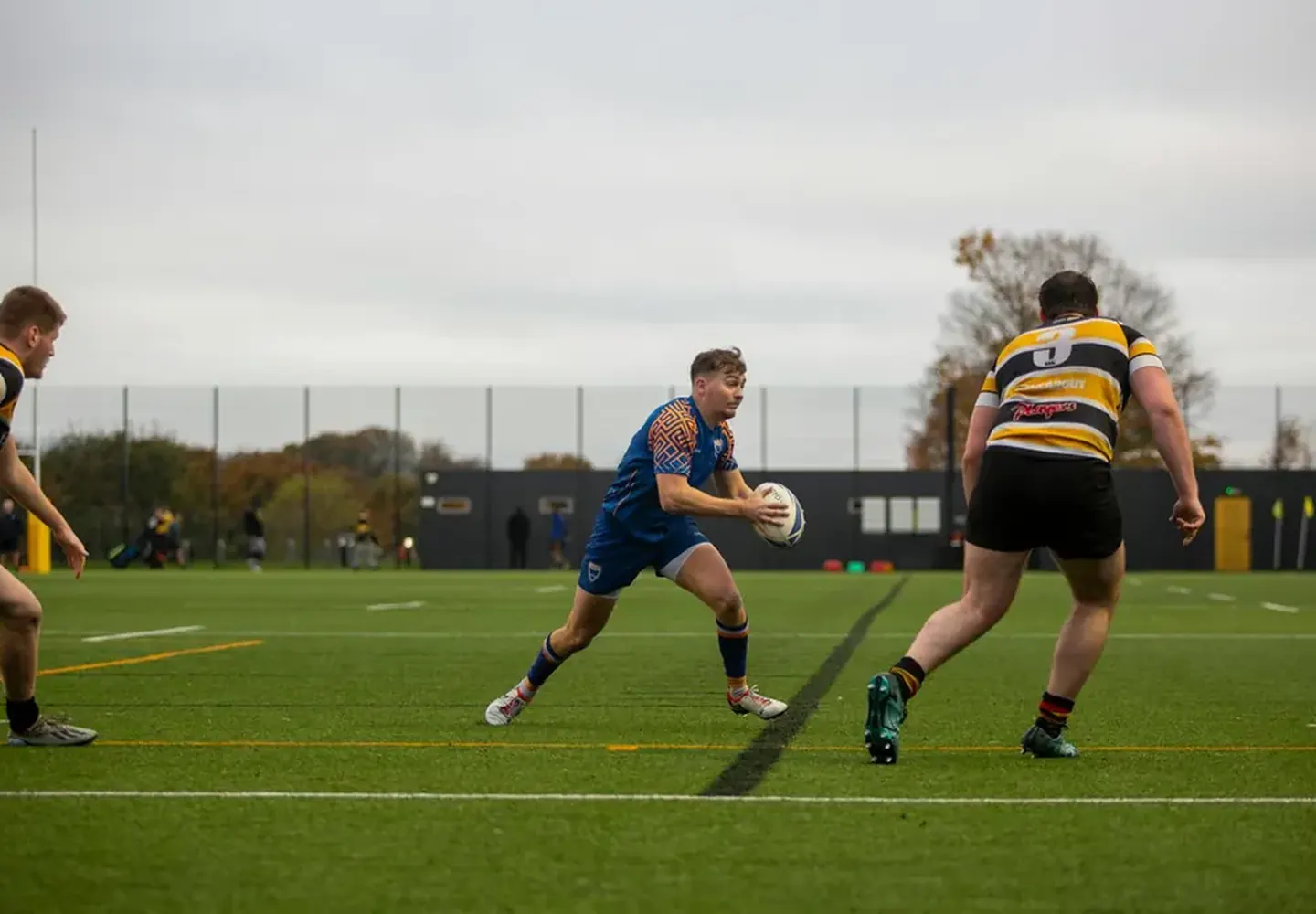
Don't skip the small stuff: That hip mobility work might feel boring, but it's what keeps you from pulling up sore after a game. The ability to change direction quickly doesn't come from nowhere – it comes from consistent preparation.
Hydrate during the warm-up: Don't wait until half-time to have your first drink. Take small sips during your warm-up to stay ahead of dehydration.
Listen to your body: If something feels tight or sore during the warm-up, don't push through it. That's your body telling you something's not right. Adjust your movements or, if needed, speak to a qualified professional about it.
Make it a routine: The best players have a warm-up routine they follow every single time. It becomes automatic, which means you can focus on the game instead of thinking about what to do next.
Common Mistakes to Avoid
Even experienced players make these mistakes. Here's what to watch out for:
Static stretching before the game: Holding stretches for 30 seconds or more can actually decrease muscle power and increase injury risk. Save those for after the game or during recovery sessions. We've got a great guide on rugby league recovery stretches that covers what to do post-match.
Going too hard, too early: The warm-up is not a fitness session. If you're exhausted before the game starts, you've done too much. Build intensity gradually.
Ignoring the weather: On cold days, you might need an extra 5 minutes of activation. On hot days, you might need to dial back the intensity and focus more on hydration.
Rushing through it: A rushed warm-up is barely better than no warm-up at all. Give yourself the full 15-20 minutes. Your body will thank you in the second half.
Forgetting the mental side: The warm-up is also your chance to get in the right headspace. Visualise your first few touches, remind yourself of your role, and get locked in.
The Complete Checklist
Here's your quick-reference checklist to take to training or game day. Tick these off and you'll be ready to go:
- Light jog and movement activation (3-4 minutes)
- Dynamic stretching – leg swings, lunges, hip circles, arm circles, trunk rotations (5-7 minutes)
- Sport-specific movements – carioca, acceleration starts, change of direction, backpedal and sprint (3-4 minutes)
- Ball work – catch and pass, offload practice, kicking (3-5 minutes)
- High-intensity efforts – three-quarter pace sprints, reactive starts, light defensive drill (2-3 minutes)
- Hydrate during the warm-up
- Finish 5 minutes before kick-off
- Listen to your body and adjust if needed
The top sides don't leave anything to chance, and neither should you. Professionalism starts long before the first whistle. Take this checklist, make it your own, and get your body ready for the physical demands of rugby league.
For more on preparing your body for the season, check out our guide on player development gear and make sure you're set up with the right equipment from the start.
Now get out there and warm up properly. Your body – and your teammates – will thank you.
Reader Comments (0)