

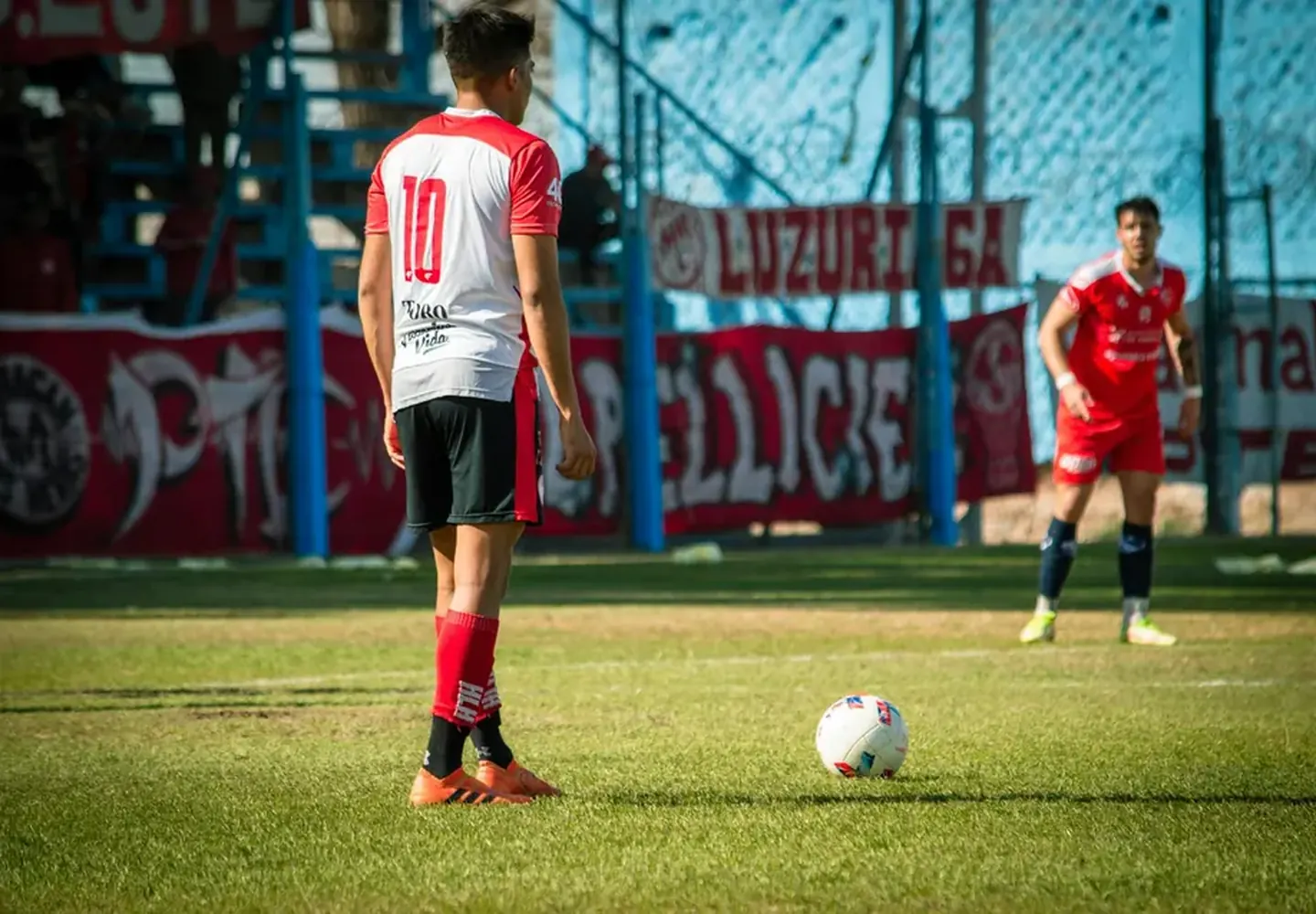
Every footy fan knows the feeling. Your team surges forward, the ball spills free, and suddenly your full-forward is one-on-one with the goal line. The crowd holds its breath. He lines up, takes his approach, and... it drifts wide. Again.
Inconsistent set shots can be the difference between winning and losing. At the elite level, conversion rates often separate the best teams from the rest. But consistency isn't luck—it's a repeatable process.
This checklist and how-to guide will give you a practical, step-by-step set shot routine you can implement from your local club training session right through to match day. Whether you're a junior player finding your range, a coach looking to sharpen your forward line's output, or a grassroots player chasing that reliable kick for goal, this routine builds the muscle memory and mental framework to convert more often.
What You'll Need
Before we step into the routine, make sure you have these basics covered:
- Footballs – At least 3-4 quality match balls. Different balls have slightly different grips, so practice with what you'll kick on game day.
- Goal posts – Regulation width if possible. Training without posts encourages lazy alignment.
- Cones or markers – To simulate the angle and distance of your set shot. Mark your starting point and your target line.
- A training partner or coach – For feedback on your alignment, drop, and follow-through.
- Appropriate footwear – Match-day boots. Don't practice in runners if you'll play in studs—your balance changes.
- Water and a towel – Sweat affects grip. Keep your hands and the ball dry.
- Notebook or phone – Record your results. Track patterns: left misses, right misses, short, or long.
The Step-by-Step Set Shot Routine
This routine is designed to be completed in under 30 seconds from the moment you mark the ball. The goal is repetition without rushing.
Step 1: Claim Your Ground
The moment you take the mark or receive the free kick, lock in. Do not walk backwards, do not look at the crowd, and do not start your routine while still catching your breath.
- Plant your feet where you took the mark. This is your starting point.
- Take three deliberate breaths – In through the nose, out through the mouth. This lowers your heart rate after the preceding contest.
- Visualise the kick – See the ball flight, see it splitting the middle. Do this before you even look at the goals.
Step 2: Walk Back on Your Angle
This is where most set shots go wrong. The angle is not just about distance—it's about your body's alignment relative to the goals.
- Turn and face the goals from where you took the mark. Do not walk back looking over your shoulder.
- Walk straight back – Do not drift left or right. Use a fixed point in the distance (a tree, a light tower, a sponsor sign) behind the goals as your reference.
- Set your distance – For most players, 8-12 steps back is standard. Shorter legs mean fewer steps. Your run-up should feel comfortable, not stretched.
- Mark your spot – If you're using cones, place one at your starting point. This is non-negotiable for training. On game day, you'll develop the feel.
Step 3: Set Your Stance and Grip
At your starting point, you have one job: get your body square.
- Feet shoulder-width apart – Weight slightly forward on the balls of your feet. Do not stand flat-footed.
- Ball grip – The ball should sit in your dominant hand. For a right-footer, your right hand is under the ball, left hand on top. The seam runs perpendicular to your body. Your fingers should be spread across the laces or the panel—whatever feels natural, as long as the seam is straight.
- Eyes on the target – Pick a specific point: the middle of the goals, a particular post, or the goal umpire's hat. Do not look at the ball.
- Shoulders and hips square – Imagine a laser line from your sternum through to your target. Your hips must be parallel to the goal line.
Step 4: The Approach – Rhythm Over Speed
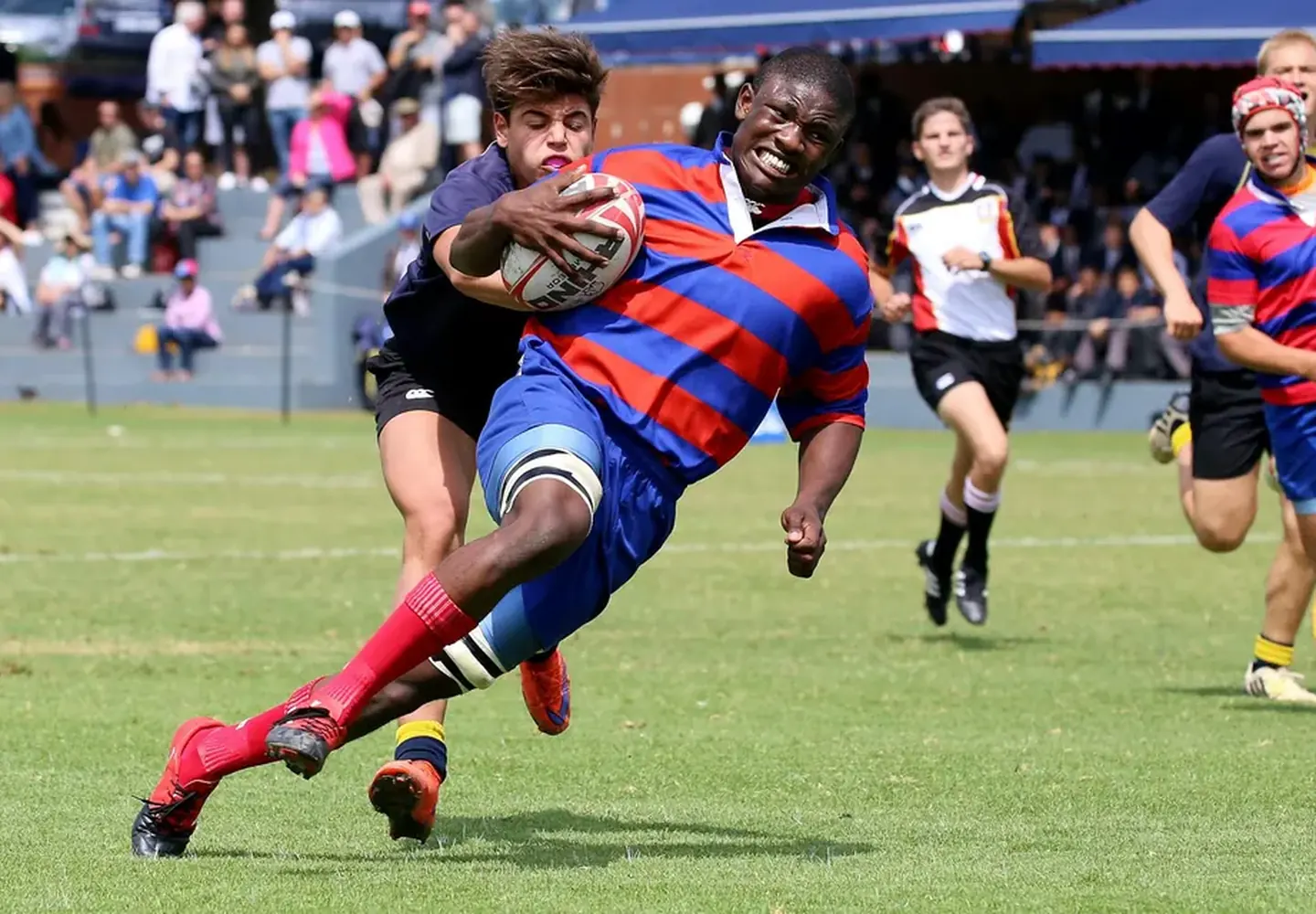
Your run-up is not a sprint. It's a controlled acceleration that sets your timing.
- Start with your non-kicking foot forward – Right-footers step with the left foot first.
- Three to five steps maximum – Any more and you introduce unnecessary variables. Elite kickers rarely take more than five steps.
- Keep your eyes on the target – Your peripheral vision handles the ground. Do not look down at the ball or your feet.
- Gradual acceleration – Step one is slow, step two builds, step three is your power step.
- Final step is a plant – Your non-kicking foot lands beside the ball, pointing at your target. This is the most critical moment. If your plant foot is pointing left, the kick goes left. Pointing right, the kick goes right.
Step 5: Strike Through the Ball
This is where all the setup pays off.
- Contact point – The ball should meet your foot at the instep, just above the laces. You want the sweet spot.
- Knee over the ball – Your kicking knee should be directly above the ball at impact. If your knee is behind the ball, you'll sky it. If too far forward, you'll drill it into the ground.
- Follow through – Your kicking leg should continue through the ball and finish high, pointing at your target. Do not stop your leg at contact.
- Head still – Keep your eyes on your target throughout the entire kick. Do not watch the ball leave your foot. That micro-movement shifts your shoulders.
Step 6: Hold Your Finish
This is the step most players ignore.
- Hold your follow-through position for two seconds after the ball leaves your foot.
- Keep your eyes fixed on the target – Watch the ball through the goals from your finishing position.
- Do not drop your head – If you miss, you'll see it. If you score, you'll see it. Either way, you stay in the moment.
Step 7: Review and Reset
Whether you score or miss, the routine isn't over until you've learned from it.
- If you score – Acknowledge it briefly. "Good kick." Then reset for the next one. Do not celebrate excessively during training.
- If you miss – Identify the error immediately. Did you drift off your line? Did you look at the ball? Did you rush your breathing? Make a mental note.
- Walk back to your starting cone – Repeat the routine exactly. Do not change anything except the error you identified.
Pro Tips for Consistency
1. Simulate game pressure in training Your routine must hold up under fatigue. After a gruelling running drill, take five set shots. Your technique should not collapse when you're exhausted. If it does, your routine needs more work.
2. Have a "go-to" trigger Many elite kickers use a physical trigger to lock in concentration. It might be tapping the ball twice, taking a specific breath pattern, or adjusting your socks. This trigger signals your brain: "Focus now."
3. Practice from the same spots On your local oval, mark the common set shot positions: directly in front, 25m out on a 45-degree angle, and 40m out on the boundary. Practice these weekly. You'll develop a feel for each angle's unique alignment.
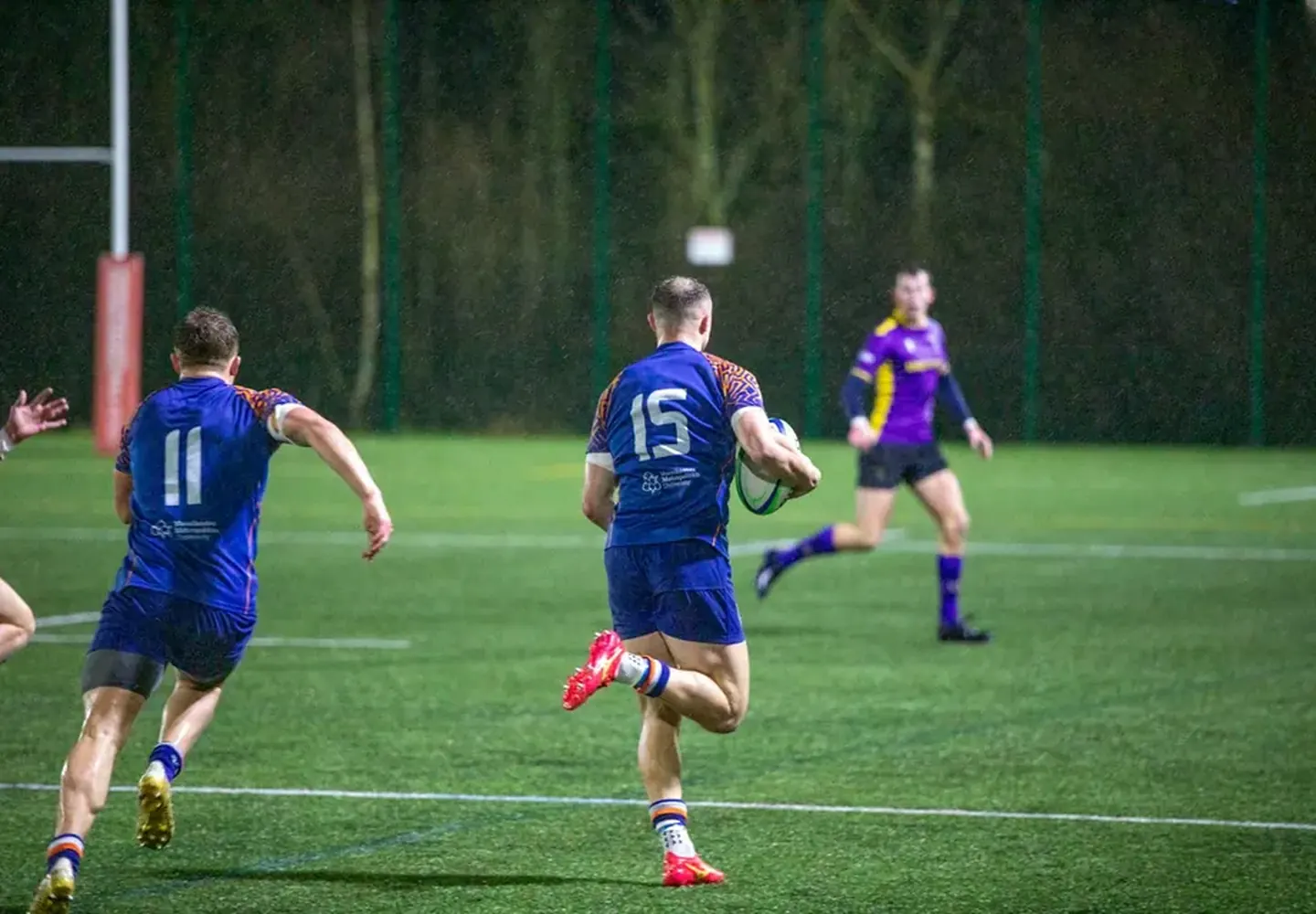
4. Record your percentage Keep a log: date, distance, angle, result (goal, behind, out of bounds). Over a month, you'll see patterns. Maybe you're strong from straight in front but less accurate from the right pocket. That tells you where to focus.
5. Weather adaptation In wet conditions, grip the ball tighter and reduce your run-up length by one step. The ball is heavier and more slippery—your drop needs to be lower and closer to your foot. In wind, aim for the post on the windy side and let the breeze bring it back.
Common Mistakes and How to Fix Them
| Mistake | Symptom | Fix |
|---|---|---|
| Rushing the routine | Short, rushed steps; poor breathing | Add the three-breath count at the start |
| Looking at the ball during the kick | Head drops, shoulders turn | Keep eyes on target; use peripheral vision |
| Open hips | Kick fades to the right (right-footer) | Check hip alignment in stance; have a coach check |
| Plant foot pointing wrong | Kick hooks or slices | Practice planting with foot pointing at target |
| Dropping the ball too early | Ball bounces before contact | Drop the ball as your plant foot lands, not before |
| Stopping the follow-through | Short, low trajectory kicks | Kick "through" the ball, not "at" it |
Checklist Summary
Use this checklist before every set shot in training and matches until it becomes automatic.
- Claim your ground – Plant feet, three deep breaths, visualise the kick
- Walk back on angle – Face the goals, walk straight back, mark your distance
- Set your stance – Feet shoulder-width, ball grip with seam straight, eyes on target, hips square
- Approach with rhythm – Non-kicking foot first, 3-5 steps, gradual acceleration, plant foot pointing at target
- Drop and strike – Drop the ball naturally, contact at instep, knee over ball, follow through high
- Hold your finish – Keep eyes on target, hold position for two seconds
- Review and reset – Score or miss, identify one thing to improve, repeat exactly
Final Word
Consistency in front of goal is not a gift—it's a skill built through repetition of a sound routine. The players who convert under pressure are the ones who have practised their routine so many times that it runs on autopilot.
Take this checklist to your next training session. Start with 20 set shots, using every step. Track your results. Within four weeks, you'll see improvement. Within a season, your routine will be second nature.
And when you're lining up for that match-winning shot, you won't be thinking about technique. You'll be thinking about your target, your breath, and the ball splitting the middle.
For more match-day tactics and training insights, explore our guides on spread and structure and afl-tackling-techniques.
Reader Comments (1)