

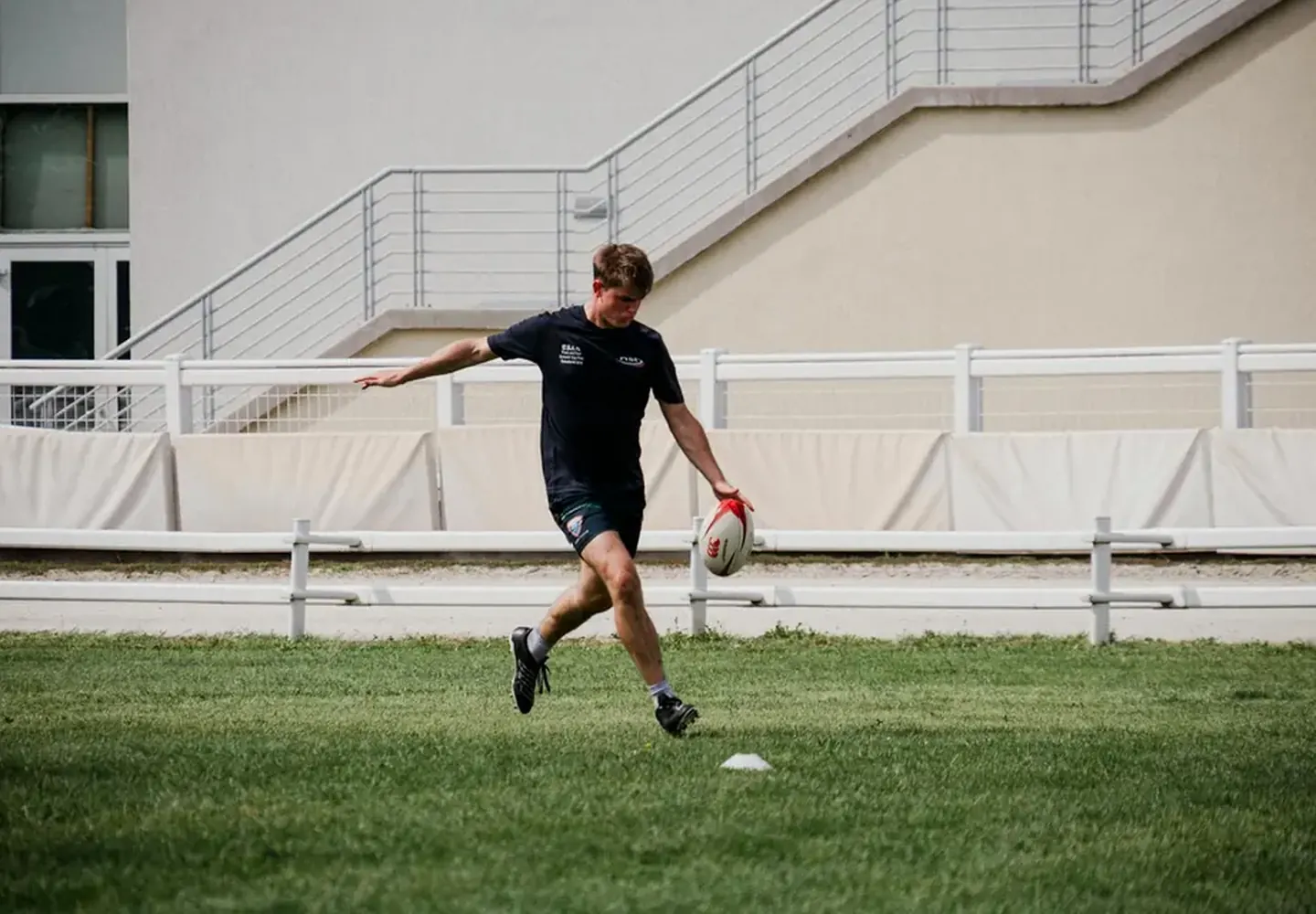
Look, I know what you're thinking. "I came here for footy tips, not beauty advice." But hear me out. Whether you're tearing up the field for your local club or just trying to survive a Sunday arvo match at the local oval, your skin takes a beating. Mud, sweat, sun, grass burns, and that lovely mix of dirt and opposition sweat—it's a recipe for disaster if you don't look after yourself.
This guide is for the Aussie rules player who's dealt with more skin dramas than they'd care to admit. We're talking real problems, real solutions, and none of that fancy nonsense that doesn't apply to blokes and women who spend their weekends chasing a Sherrin.
Let's get into it.
Problem 1: The Post-Match Mud Mask That Won't Budge
Symptoms: You've finished the game, had a shower, but somehow there's still a layer of ingrained dirt on your face and arms. Your partner gives you the side-eye at the pub. Your skin feels like sandpaper.
Causes: AFL grounds get muddy. That's just facts. But the problem isn't the mud itself—it's the combination of sweat, sunscreen, and dirt that creates a cement-like bond on your skin. If you're playing at a local ground that doubles as a horse paddock during the week, you're basically rolling in topsoil mixed with your own perspiration.
Solution:
- Pre-game prep: Apply a thin layer of petroleum jelly or a barrier cream to your face, neck, and arms before the game. This creates a shield that stops dirt from bonding with your skin.
- Double wash routine: After your initial shower, use a gentle exfoliating cloth or a loofah with a mild cleanser. Don't scrub like you're trying to remove paint—gentle circular motions.
- Oil-based cleanser first: If you're still seeing dirt after a standard wash, try an oil-based cleanser before your regular soap. The oil breaks down the sweat-sunscreen-dirt cocktail better than soap alone.
- Warm water, not hot: Hot water strips your skin's natural oils and makes the dirt stick more. Lukewarm water is your friend.
Problem 2: Sunburn That Makes You Regret Every Training Session
Symptoms: Red, painful skin that feels hot to the touch. Peeling a few days later. Teammates calling you "Lobster" for the rest of the season.
Causes: Aussie rules is an outdoor sport played in brutal conditions. Training at 6 PM when the sun's still hammering down. Day games at the local ground with zero shade. Forgetting to reapply because you're focused on the game. And let's be honest—half the blokes think sunscreen is optional.
Solution:
- SPF 50+ is non-negotiable: Apply 20 minutes before you step onto the field. Don't cheap out—get the sport-friendly stuff that doesn't run into your eyes when you start sweating.
- Reapply at half-time: Yes, even if you're in the middle of a tight contest. Keep a small tube in your kit bag. Take 30 seconds. Your future self will thank you.
- Don't forget the ears and back of neck: These are the spots that get cooked because you're facing the play. If you're a ruckman, your scalp is also vulnerable—consider a cap or at least sunscreen on your part line.
- Post-game care: If you've caught some sun, aloe vera gel (keep it in the fridge) is your best mate. Avoid hot showers for 24 hours. And for crying out loud, don't peel the skin—let it do its thing.
Problem 3: Grass Burns That Turn Into Infected Nightmares
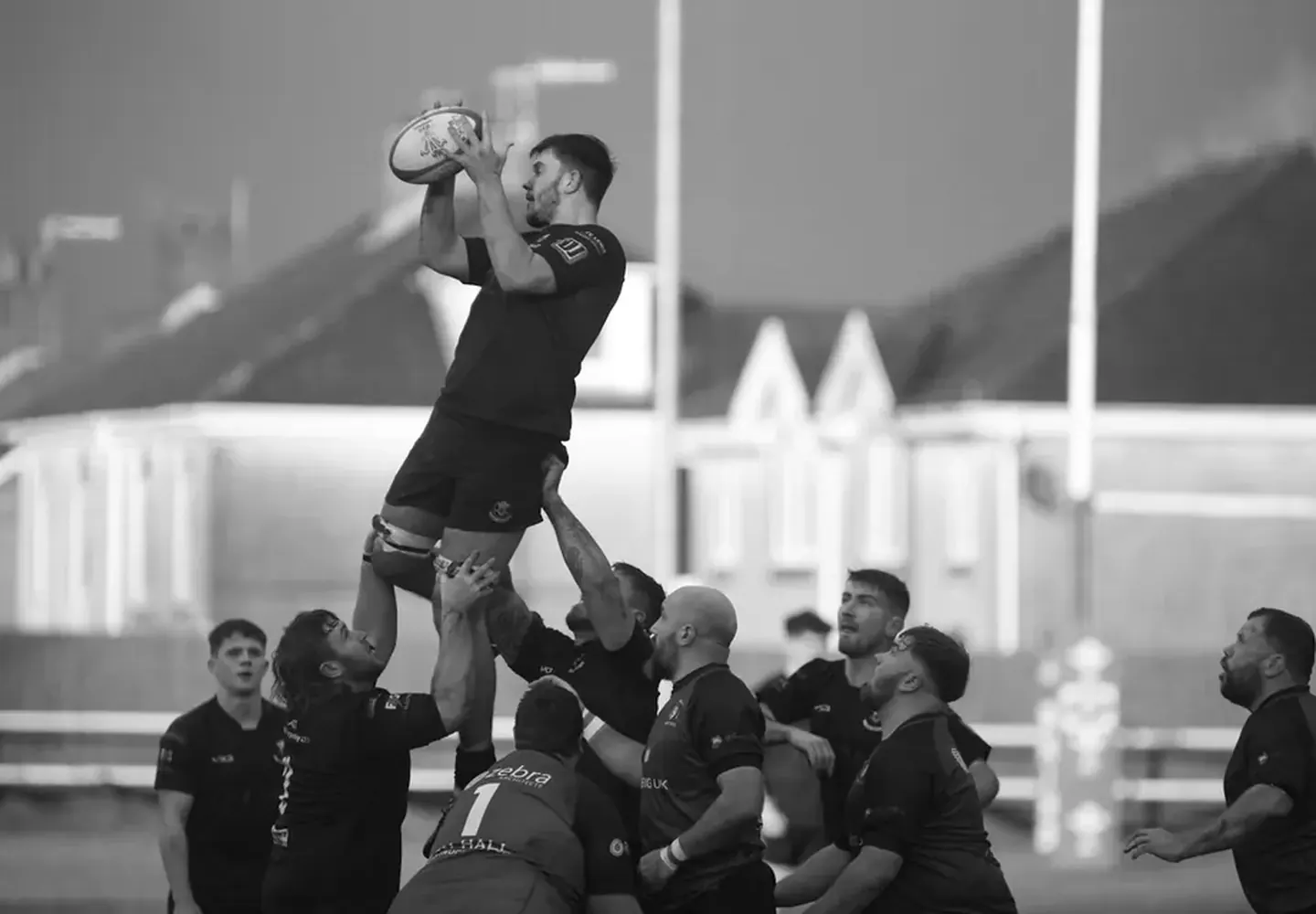
Symptoms: Red, raw patches of skin that sting when you shower. Yellow crust forming after a few days. Warm to the touch. Spreading redness.
Causes: Grass burns happen when you slide, get tackled, or dive for a mark on dry, hard ground. The problem is that those open abrasions are perfect breeding grounds for bacteria, especially if you're playing on grounds that have been watered with recycled water or have livestock traffic.
Solution:
- Clean immediately: As soon as you come off the field, rinse the area with clean water. Don't wait until you get home. If your club has a first aid kit, use saline solution.
- Antiseptic is your friend: Apply a good antiseptic cream or spray (Betadine or similar) within the first hour. Don't just slap a bandaid on it.
- Keep it covered for 24 hours: Use a non-stick dressing. Change it after your first shower. Let it breathe overnight if it's not oozing.
- Watch for signs of infection: If it's still red and angry after 48 hours, or if you see red streaks spreading from the wound, that's doctor territory, not DIY territory.
Problem 4: Acne Breakouts That Coincide With Training Blocks
Symptoms: Pimples on your forehead, chin, and shoulders that appear mid-season. They get worse after heavy training weeks. Your usual face wash isn't cutting it.
Causes: Sweat mixed with friction from headbands, helmets (if you're a ruckman), shoulder pads, and your own hands touching your face during the game. Plus, if you're using dirty towels or sharing water bottles, you're spreading bacteria around like confetti.
Solution:
- Wash your gear every session: That headband, those wristbands, your towel—wash them after every use. Don't let them sit in your kit bag for a week.
- Use a salicylic acid cleanser post-training: This cuts through the oil and sweat better than standard soap. Don't overdo it—once a day is plenty.
- Hands off: I know it's hard, but try not to touch your face during the game. If you're wiping sweat, use a clean towel, not your forearm.
- Change your pillowcase twice a week: You're spending hours sleeping with your face pressed against fabric that's collecting all the grime from your hair and skin.
Problem 5: Dry, Cracked Hands From Catching and Tackling
Symptoms: Your hands feel like sandpaper. The skin on your palms is cracking, especially around the knuckles. Catching the ball hurts. Handshakes are painful.
Causes: Repeated impact from marking, tackling, and gripping the ball. Add in dirt, chalk, and the drying effect of winter air, and your hands are taking a beating. Some players also develop calluses that crack when they dry out.

Solution:
- Moisturise after every wash: Keep a hand cream in your kit bag. Apply it after every training session and game. Look for something with urea or glycerin—those ingredients actually penetrate the skin.
- Overnight treatment: Before bed, slather your hands in a thick moisturiser or petroleum jelly, then wear cotton gloves to bed. Sounds ridiculous, but it works a treat.
- Don't pick at calluses: If you have thick calluses, file them down gently with a pumice stone after a shower when the skin is soft. Picking or cutting them leads to cracks that get infected.
- Use tape strategically: If you've got a crack that's already formed, tape it up for training and games. Let it heal properly before going bare-handed again.
Problem 6: Razor Burn From Shaving Before Game Day
Symptoms: Red, bumpy, irritated skin on your face, legs, or wherever you shave. It stings when you sweat. Makes you look like you've got a rash.
Causes: Shaving the night before or morning of a game. Using a dull razor. Shaving dry or with just water. Going against the grain. Your skin doesn't have time to recover before you start sweating and rubbing against other players.
Solution:
- Shave two days before game day: This gives your skin 48 hours to calm down. If you can't, shave after training, not before.
- Use a fresh razor: Dull razors cause micro-tears in the skin. Change your blade every 3-4 shaves, minimum.
- Shave with the grain: I know you want that baby-smooth feel, but going against the grain is what causes the bumps. With the grain, then maybe across the grain if you need closer.
- Post-shave care: Use an alcohol-free aftershave balm. Aloe vera gel works great. Avoid anything with fragrance or alcohol—that's just pouring fuel on the fire.
- Don't shave over existing bumps: If you've already got razor burn, let it heal completely before shaving that area again.
Prevention Tips for the Season
Right, let's talk about stopping these problems before they start. Here's your pre-season checklist:
- Build a skin care kit: Keep it in your kit bag. Include: SPF 50+ sunscreen, barrier cream (petroleum jelly or zinc-based), antiseptic cream, aloe vera gel, hand cream, a clean towel, and a gentle cleanser.
- Shower protocol: Shower within 30 minutes of finishing training or a game. Use lukewarm water. Pat dry (don't rub). Moisturise while your skin is still damp—it locks in the hydration.
- Gear hygiene: Wash your playing kit after every use. Don't let it marinate in your bag. Your shoulder pads, headgear, and boots all need regular cleaning too.
- Hydration matters: Dehydrated skin is more prone to cracking, sunburn, and infection. Drink water consistently, not just during games.
- Know your skin type: Some blokes are naturally oilier, some are drier. Adjust your routine accordingly. If you're prone to acne, focus on cleansing and avoiding pore-clogging products. If you're dry, moisturise like it's your job.
- Don't share: Water bottles, towels, razors, headbands—keep your stuff to yourself. Staph infections and fungal issues spread fast in team environments.
When to Seek Professional Help
Look, I'm not a doctor, and neither is your mate who "knows a bit about skin." Here's when you need to see a professional:
- Signs of infection: Redness spreading, warmth, pus, fever, or red streaks. That's doctor territory, not home remedy territory.
- Persistent acne: If you're breaking out consistently despite good hygiene, see a dermatologist or your GP.
- Suspected fungal infections: Ringworm, tinea, and other fungal issues are common in contact sports. If you've got circular red patches, flaky skin, or intense itching, get it checked. It won't go away on its own.
- Allergic reactions: If you're reacting to sunscreen, tape, or your playing kit, a doctor can help identify the culprit and suggest alternatives.
- Any skin issue that's affecting your performance: If it hurts to catch the ball, tackle, or run, don't tough it out. Get professional advice.
Final Word
Your skin is your first line of defence—literally. It's what's between you and the opposition, the ground, and the elements. Treat it like the piece of equipment it is. A little bit of care goes a long way, and it'll keep you on the field instead of on the sidelines with an infection or a nasty burn.
Now get out there, play hard, and don't forget the sunscreen. Your future self—and your teammates who have to look at you in the change rooms—will thank you.
Reader Comments (0)