


In the demanding arena of the National Rugby League (NRL), physical preparation begins long before a player pulls on a professional jersey. For juniors aspiring to reach the elite levels of Rugby League, structured strength training is not merely an optional extra—it is a foundational pillar of long-term athletic development. This comprehensive guide explores the principles, methodologies, and practical applications of strength training tailored specifically for junior Rugby League players.
The journey from junior representative football to the professional level requires more than natural talent. It demands a systematic approach to physical development that respects the unique physiological needs of growing athletes. Whether your child dreams of playing professionally or simply wishes to enjoy the game safely and competitively, understanding the science of junior strength training is essential.
The Developmental Framework for Junior Rugby League Athletes
Understanding Growth and Maturation
Strength training for juniors must be contextualised within the framework of biological maturation. Unlike adult athletes, junior players experience periods of rapid growth, hormonal changes, and significant variability in physical development. Development pathways recognise that premature or inappropriate loading can compromise long-term athletic potential.
The concept of "trainability" refers to the window of opportunity during which specific physical qualities can be developed most effectively. For junior Rugby League players, these windows are:
- Ages 7–11 (Pre-Peak Height Velocity): Focus on fundamental movement skills, coordination, and bodyweight exercises.
- Ages 12–15 (Peak Height Velocity): Introduction to structured resistance training with emphasis on technique and neuromuscular adaptation.
- Ages 16–18 (Post-Peak Height Velocity): Progressive loading and sport-specific strength development.
The Role of Strength in Rugby League Performance
Rugby League demands a unique combination of strength, power, speed, and endurance. For juniors, developing a solid strength base contributes to:
- Injury Prevention: Strong muscles, tendons, and ligaments reduce the risk of common Rugby League injuries, particularly those affecting the shoulders, knees, and hamstrings.
- Contact Readiness: Tackling, being tackled, and contesting for the ball require controlled force production and absorption.
- Running Mechanics: Improved strength translates to more efficient acceleration, deceleration, and change of direction.
- Confidence: Athletes who feel physically capable are more likely to engage fully in training and match play.
Core Principles of Junior Strength Training
Progressive Overload and Adaptation
The principle of progressive overload—gradually increasing the demands placed on the body—must be applied judiciously with junior athletes. Unlike adult programs that might add weight each session, junior programs should prioritise:
- Volume Progression: Increasing repetitions or sets before adding load.
- Technique Mastery: Each exercise must be performed with flawless technique before any external resistance is introduced.
- Variation: Changing exercises, tempos, and movement patterns to promote comprehensive development.
Movement Competency Before Load
Before a junior player ever touches a barbell or dumbbell, they must demonstrate proficiency in fundamental movement patterns. These include:
- Squat Pattern: Bodyweight squats, goblet squats
- Hinge Pattern: Hip hinges, Romanian deadlift variations
- Push Pattern: Push-ups, overhead pressing
- Pull Pattern: Rows, pull-ups (or assisted variations)
- Lunge Pattern: Forward, lateral, and rotational lunges
- Core Stability: Planks, bird dogs, dead bugs
Individualisation and Periodisation
No two junior athletes develop at the same rate. Factors such as training age, biological maturity, injury history, and positional demands must inform program design. For example:
- A developing halfback might emphasise agility, core stability, and upper-body strength for tackling.
- A junior fullback would benefit from lower-body power, single-leg strength, and reactive agility training.
Essential Strength Exercises for Junior Rugby League Players
Foundational Lower Body Exercises
The lower body is the engine of Rugby League performance. Running, jumping, tackling, and changing direction all originate from the hips and legs.
| Exercise | Primary Focus | Junior Considerations |
|---|---|---|
| Bodyweight Squat | Quadriceps, glutes, core | Emphasise depth and knee tracking |
| Goblet Squat | Progressive loading | Use kettlebell or dumbbell at chest |
| Reverse Lunge | Single-leg strength, balance | Shorter range of motion initially |
| Step-Up | Hip and quad strength | Controlled tempo, moderate box height |
| Glute Bridge | Glute activation, hip stability | Hold at top for 2–3 seconds |
Upper Body and Contact Preparation
Rugby League requires strength in the upper body for effective tackling, ball carrying, and contesting possession.
- Push-Up Variations: Standard, incline, and decline push-ups build pressing strength and scapular stability.
- Inverted Rows: A safer alternative to pull-ups for younger athletes, developing back strength for tackling.
- Shoulder Stability Work: External rotation exercises, YTWL patterns, and prone holds protect the shoulder joint.
- Neck Strengthening: Isometric neck exercises (in all four directions) are critical for concussion prevention.
Core and Rotational Power
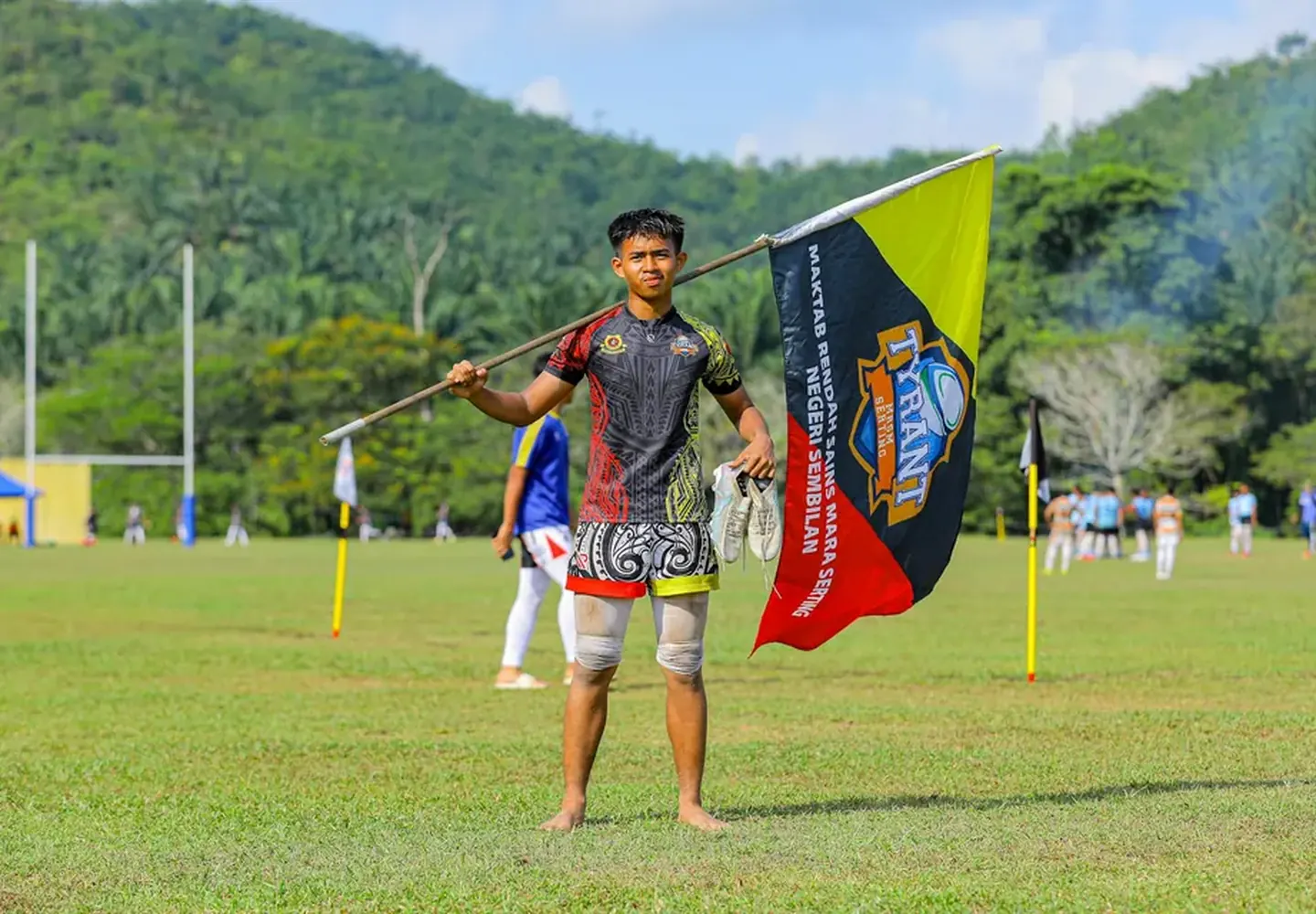
The core acts as the transmission between the lower and upper body. For Rugby League, rotational power is particularly important for passing, evading tackles, and generating force in contact.
- Plank Variations: Front, side, and reverse planks build endurance and stability.
- Medicine Ball Rotations: Controlled rotational throws develop power without excessive spinal loading.
- Dead Bug: Excellent for teaching core bracing in a neutral spine position.
- Pallof Press: Anti-rotation exercise that strengthens the obliques and deep core.
Programming Considerations for Junior Athletes
Training Frequency and Duration
Junior strength training should complement, not replace, skill development and game play. A typical weekly structure might include:
- 2–3 Strength Sessions Per Week: Each lasting 30–45 minutes.
- Rest Days: At least one full rest day between strength sessions.
- Pre-Season vs. In-Season: Higher volume and intensity during pre-season; maintenance and recovery focus during the competitive season.
Warm-Up and Cool-Down Protocols
A proper warm-up prepares the body for training and reduces injury risk. For juniors:
Dynamic Warm-Up (10–15 minutes):
- Light jogging and skipping
- Leg swings (forward and lateral)
- Walking lunges with rotation
- High knees and butt kicks
- Arm circles and shoulder dislocates
- Static stretching for major muscle groups
- Foam rolling (with supervision)
- Deep breathing and relaxation
Monitoring and Progression
Coaches and parents should track:
- Training Load: Volume, intensity, and frequency
- Recovery: Sleep quality, nutrition, and mood
- Performance: Strength improvements, movement quality
- Injury Status: Any niggles or complaints
Nutrition and Recovery for Junior Rugby League Players
Fueling Growth and Performance
Strength training creates a demand for nutrients that support muscle repair, bone health, and energy production. Junior athletes require:
- Adequate Protein: 1.2–1.6 grams per kilogram of body weight daily, distributed across meals.
- Complex Carbohydrates: For sustained energy during training and matches.
- Healthy Fats: Essential for hormone production and joint health.
- Hydration: Water intake should increase on training days, with electrolyte balance maintained.
Sleep and Recovery
Growth hormone, critical for muscle repair and development, is primarily released during deep sleep. Junior athletes should aim for:
- Ages 7–12: 10–11 hours per night
- Ages 13–18: 8–10 hours per night
Common Mistakes and How to Avoid Them
Overtraining and Early Specialisation
One of the most significant risks in junior Rugby League development is the pressure to specialise early. Best practice in player development encourages multi-sport participation through adolescence. Early specialisation in strength training—or in Rugby League itself—can lead to:
- Overuse injuries
- Burnout and loss of enjoyment
- Imbalanced physical development
- Reduced long-term athletic potential
Ignoring Technique for Weight
The allure of lifting heavy weights can compromise technique. Coaches and parents must prioritise:
- Video Analysis: Reviewing movement quality
- Qualified Supervision: Sessions should be overseen by accredited strength and conditioning professionals
- Patience: Strength gains will come with consistent, correct practice
Neglecting Mobility and Flexibility
Strength without mobility creates imbalances. Junior programs should include:
- Dynamic stretching before activity
- Static stretching and foam rolling after activity
- Mobility drills for hips, ankles, shoulders, and thoracic spine
Integrating Strength Training with Rugby League Skills
Transfer to Match Performance
Strength training must ultimately improve on-field performance. Exercises should be selected based on their transfer to Rugby League demands:
- Tackle Preparation: Isometric holds and eccentric loading prepare the body for contact.
- Acceleration Work: Squat and lunge variations build the leg drive needed for explosive starts.
- Change of Direction: Single-leg strength and lateral movements support cutting and evasive running.
Position-Specific Considerations
While foundational strength is universal, positional demands vary:
- Forwards: Greater emphasis on absolute strength, particularly in the upper body and hips for contact.
- Backs: Focus on speed-strength, reactive power, and agility.
- Fullbacks and Wingers: Single-leg stability and eccentric strength for high-speed changes of direction.
The Role of Parents and Coaches
Creating a Supportive Environment
Junior athletes thrive when training is challenging yet enjoyable. Parents and coaches should:
- Celebrate Effort, Not Just Outcomes: Recognise improvements in technique and consistency.
- Communicate Openly: Encourage athletes to report fatigue, discomfort, or lack of motivation.
- Model Healthy Behaviours: Demonstrate proper warm-ups, hydration, and recovery practices.
Understanding the Bigger Picture
Strength training is one component of a holistic development pathway. The ultimate goal is not to produce the strongest 14-year-old, but to develop a resilient, well-rounded athlete capable of sustained success. Success is built by teams, not individuals, and the foundation for that success is laid years earlier in thoughtful, age-appropriate training.
Rugby League strength training for juniors is a science and an art. When executed correctly, it builds not only stronger athletes but also more confident, resilient, and injury-resistant individuals. The principles outlined in this guide—progressive overload, movement competency, individualisation, and holistic development—provide a framework for safe and effective training.
For junior players aspiring to enjoy the game they love for years to come, the investment in proper strength training is invaluable. As with all aspects of player development, patience and consistency yield the greatest rewards.
To further support your junior athlete's journey, explore our comprehensive guides on player development gear, selecting the best mouthguard for rugby league, and understanding junior rugby league rules simplified. Each resource is designed to complement the physical preparation outlined in this guide, ensuring your young athlete is equipped for success on and off the field.
Remember: the strongest players are not always those who lift the most weight, but those who train smart, recover well, and maintain their love for the game. Build that foundation, and the results will follow.
Reader Comments (0)