


So you’re at a local park on a Saturday morning, watching a bunch of kids chase a Steeden around, and you think you’ve spotted something special. Maybe it’s the way that halfback reads the play two steps ahead. Maybe it’s the front-rower who just keeps getting up off the deck. Or maybe it’s the fullback who glides across the turf like he’s got magnets in his boots.
Spotting future NRL talent isn’t about luck—it’s about knowing what to look for. And whether you’re a parent wondering if your kid has what it takes, a grassroots coach building your local club’s next generation, or just a passionate Roosters fan who loves the game, this checklist will help you separate the good from the great.
We’re not talking about turning kids into robots or burning them out before they hit Harold Matthews. We’re talking about identifying the raw ingredients that, with the right development, could one day see a young player pull on the Roosters jersey at Allianz Stadium.
Let’s get into it.
What You’ll Need
Before you start scouting, make sure you’ve got the basics sorted:
- A notepad or phone – You’ll want to jot down observations, not rely on memory.
- Basic knowledge of age-grade rules – Under-6s footy looks different to under-16s. Know the modified rules for each age group.
- Patience – Talent identification is a marathon, not a sprint. One good game doesn’t make a superstar.
- A willingness to be wrong – Some kids peak early. Others bloom late. Keep an open mind.
- Access to multiple games – Watch players in different contexts: wet weather, dry track, against weak and strong opposition.
Step 1: Watch the Player When They Don’t Have the Ball
This is the biggest giveaway. Most kids chase the footy like it’s the last lolly in the jar. The future stars? They position themselves.
Look for:
- Body language – Are they switched on when the play is 40 metres away? Or are they picking daisies?
- Defensive reads – Do they slide across in cover defence before the pass is even thrown? That’s footy IQ.
- Support play – When a teammate breaks the line, is there someone trailing in support? The best players know where to be.
- Work rate – A kid who chases back after a mistake, or who runs hard to get back onside, has the attitude that top coaches look for.
Step 2: Assess Their Footy IQ
Talent identification isn’t just about physical gifts. The game’s moved on. The best fullbacks don’t succeed just because they’re quick—they read the game like a chess grandmaster.
Ask yourself:
- Does the player make good decisions under pressure? Do they pass when the pass is on, or do they hold it too long?
- Can they adapt? If a move breaks down, do they improvise or panic?
- Do they understand structure? In the NRL, every team runs set plays. A kid who can execute a simple block play or understand a dummy-half run is ahead of the pack.
- How’s their communication? Do they call for the ball? Do they direct teammates? The best playmakers are often vocal.
Step 3: Look for Athletic Foundations, Not Just Size
Here’s where a lot of parents and coaches get it wrong. They see a big kid dominating under-12s and think they’ve found the next Payne Haas. But size at 12 doesn’t guarantee size at 18. And more importantly, size without athleticism is a liability.
Focus on:
- Agility and change of direction – Can they sidestep at speed? Do they decelerate and accelerate quickly?
- Balance – Watch them get tackled. Do they stay on their feet and fight for an offload? Or do they fall like a sack of potatoes?
- Speed – Not just straight-line speed, but speed off the mark. The first three steps are more important than the next 30.
- Endurance – Are they still making tackles in the 40th minute of a 40-minute game? Or are they gassed?
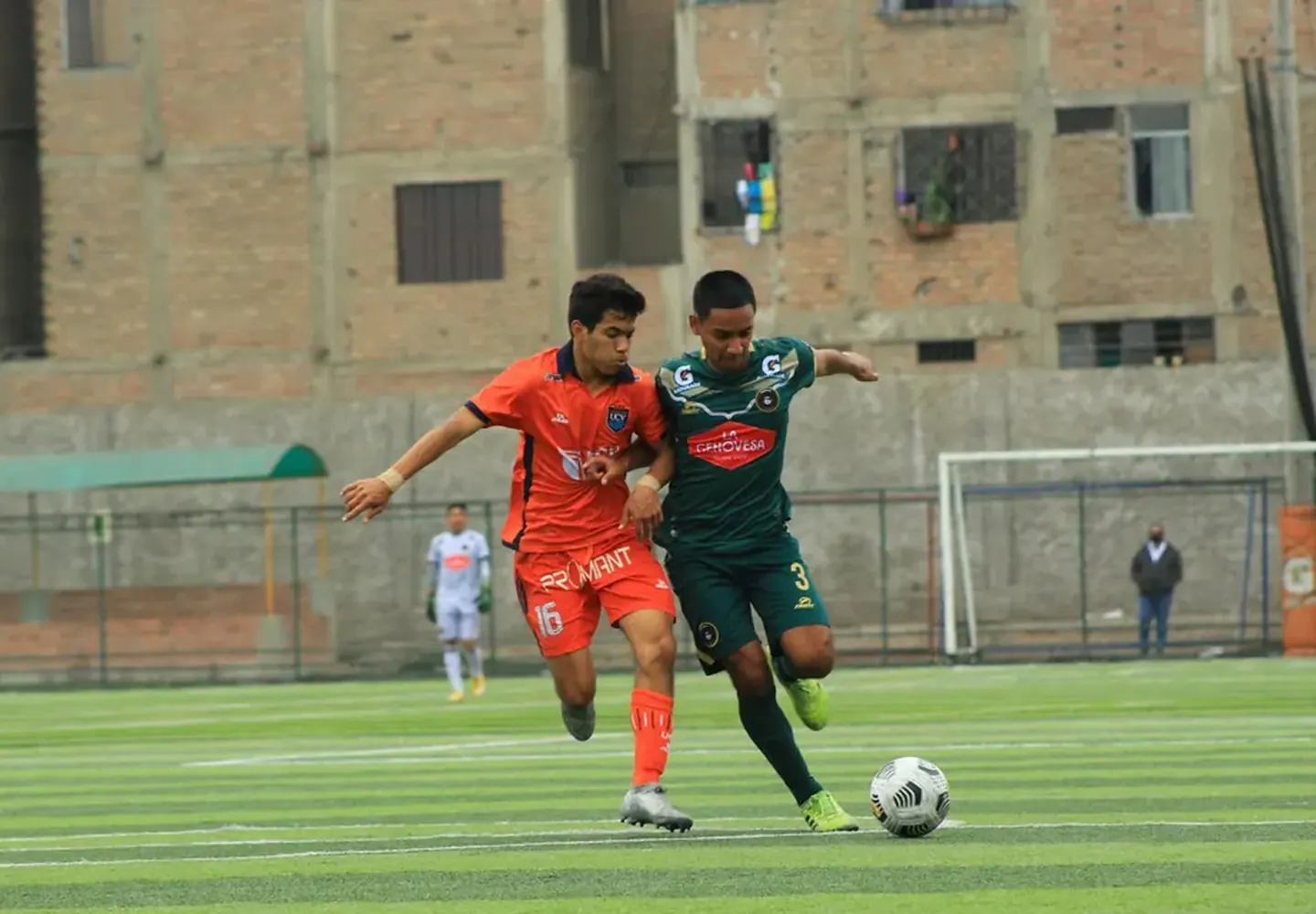
Step 4: Evaluate Their Technical Skills Under Pressure
Anyone can look good in a training drill. The real test is whether they can execute when there’s a defender in their face.
Key skills to watch:
- Passing – Can they pass off both sides? Is their pass accurate under fatigue? Do they have a short, quick pass as well as a long ball?
- Catching – Under the high ball is the obvious one, but also watch how they take a pass at speed. Do they juggle? Do they drop the simple ones?
- Kicking – In the NRL, kicking is non-negotiable. Watch for spiral punts, not just torpedoes. Can they kick on the run? Can they kick with both feet?
- Tackling – Technique matters more than aggression. Do they wrap the legs? Do they stay square? Or do they go high and get brushed off?
Step 5: Gauge Their Resilience and Coachability
This is the hardest thing to measure, but it’s often the difference between a kid who makes it and one who doesn’t.
Look for:
- Response to mistakes – Do they put their head down and sulk? Or do they get back in the line and fix it?
- Response to criticism – If a coach pulls them aside, do they listen and adjust? Or do they argue?
- Effort in adversity – When their team is losing by 30, do they still chase and tackle? Or do they go through the motions?
- Leadership – Even shy kids can lead by example. Watch who the other players look to when things get tough.
Step 6: Consider Their Physical Maturity and Growth Potential
This is a controversial one, but it matters. Some kids are early developers—they hit puberty at 12 or 13 and dominate because they’re bigger and stronger. Others are late bloomers and get overlooked.
What to look for:
- Parents’ height and build – It’s not a perfect science, but genetics give clues.
- Coordination – A kid who’s tall but uncoordinated might be going through a growth spurt. Give them time.
- Relative age effect – Kids born early in the year often dominate junior grades. Keep an eye on the late-born kids who are still competing.
Step 7: Watch Them in Different Roles and Positions
Some kids are pigeonholed early. The big kid plays prop. The fast kid plays wing. But the best talent spotters look for versatility.
Ask:
- Could this halfback play hooker?
- Could this centre play lock?
- Could this winger play fullback?
I’ve seen plenty of kids who were average front-rowers turn into great second-rowers once they grew into their bodies. Don’t lock them in too early.
Step 8: Look Beyond the Game—Character and Lifestyle
This might sound like overkill for a 13-year-old, but the habits kids develop early often stick.
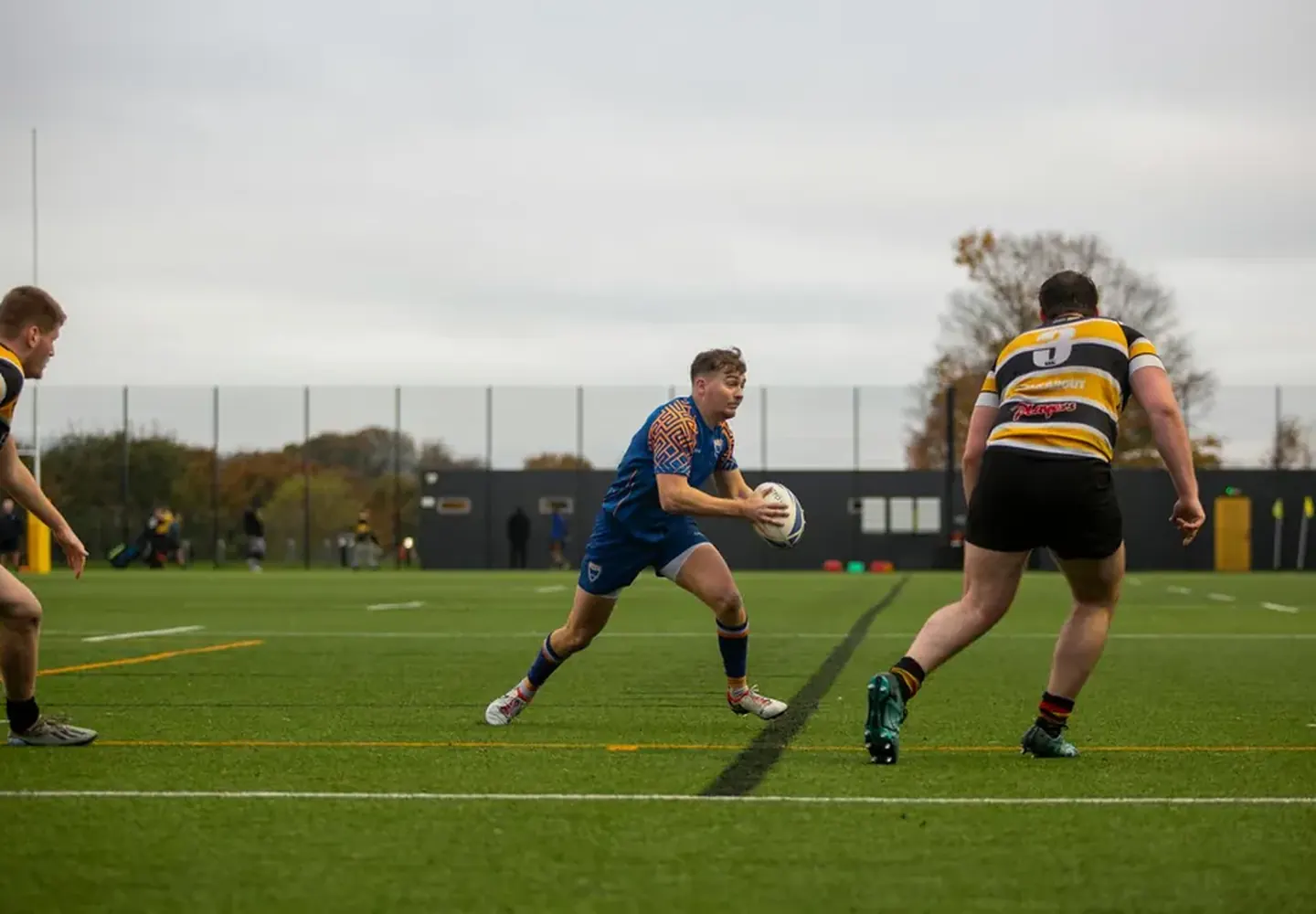
Consider:
- Punctuality – Do they show up on time for training and games?
- Preparation – Do they have their boots laced, mouthguard in, water bottle ready?
- Attitude toward teammates – Do they celebrate others’ successes? Do they encourage struggling players?
- Off-field habits – This is harder to see, but ask around. Do they eat well? Sleep enough? Stay out of trouble?
Step 9: Don’t Forget the Parents
I know, I know—this is touchy. But the reality is that parents can make or break a young player’s development.
Look for:
- Do they let the coach coach? Or do they yell instructions from the sideline?
- Do they celebrate effort or just results?
- Do they push too hard? Or are they supportive without being overbearing?
Pro Tips and Common Mistakes
Pro tips:
- Watch multiple games – One performance doesn’t tell the story. Watch them in different conditions and against different opposition.
- Talk to their coach – Ask about training habits, attitude, and areas for improvement.
- Keep a development diary – Track progress over months and years, not weeks.
- Trust your gut, but verify – If something feels off, dig deeper before making a call.
- Falling for early developers – Big kids dominate juniors, but they often plateau. Don’t mistake size for skill.
- Ignoring footy IQ – Athleticism can be developed. Game sense is harder to teach.
- Overlooking late bloomers – Some of the best NRL players weren’t superstars at 14. Keep an open mind.
- Comparing kids to NRL stars – “He’s the next Tedesco” is a huge burden. Let kids be their own players.
- Neglecting recovery and nutrition – Even at youth level, recovery matters. Check out our recovery nutrition tips for more on that.
Checklist Summary
Here’s your quick-reference checklist for youth rugby league talent identification:
- Watch the player when they don’t have the ball—positioning and work rate matter
- Assess footy IQ—decision-making, adaptability, and communication
- Look for athletic foundations—agility, balance, speed, endurance
- Evaluate technical skills under pressure—passing, catching, kicking, tackling
- Gauge resilience and coachability—response to mistakes and criticism
- Consider physical maturity and growth potential—don’t judge on size alone
- Watch them in different roles and positions—versatility is valuable
- Look beyond the game—character, habits, and lifestyle
- Don’t forget the parents—supportive environments matter
- Watch multiple games in different conditions before making a call
Spotting future NRL stars isn’t about finding the biggest, fastest, or strongest kid on the field. It’s about finding the ones who have the right mix of skill, smarts, and character—and then giving them the time and support to develop.
Whether you’re scouting for your local club or just trying to figure out if your own kid has what it takes, remember this: the path to the NRL Grand Final is long and winding. Most kids won’t make it. But the ones who do? They’re the ones who love the game, work hard, and never stop learning.
And if you ever see a kid with that spark, do them a favour: don’t tell them they’re going to be a star. Tell them to keep enjoying the game. The rest will take care of itself.
For more on player development, check out our guides on player development gear and the best footy boots for 2025—because cross-training matters, even for rugby league kids.
Reader Comments (0)