

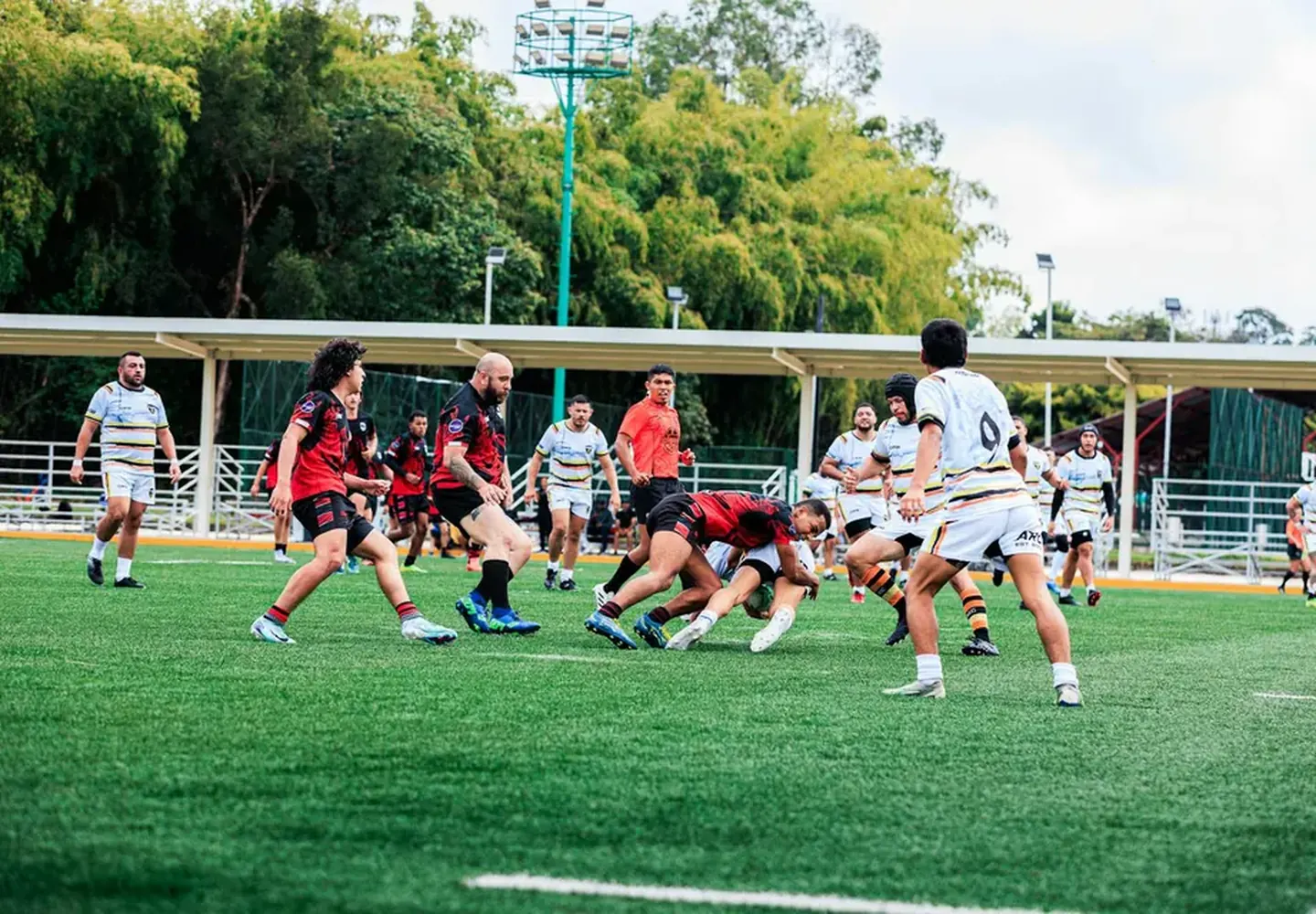
In the modern era of Australian rules football, the goal square kick-in has evolved from a routine restart into a critical tactical battleground. No longer merely an opportunity to return the ball to play, the kick-in now serves as a primary offensive launchpad, with teams dedicating significant training time to structures, patterns, and decision-making processes that can swing momentum and create scoring opportunities. This case study examines the strategic evolution of kick-ins, exploring how clubs at various levels—from grassroots community sides to elite competitions—have transformed this set-piece into a weapon. Drawing on hypothetical grassroots scenarios and tactical breakdowns, we analyse the key principles, common formations, and lessons that can be applied by coaches and players seeking to maximise possession retention and attacking thrust from the goal square.
Background / Challenge
For decades, the kick-in was treated as a straightforward necessity: a full-back would gather the ball after a behind, take a short run-up, and bang the ball long down the centre of the ground. The objective was simple—clear the defensive zone and allow midfielders to contest the resulting stoppage. However, as defensive structures became more sophisticated and zoning tactics proliferated, this approach became increasingly fraught with risk. Opponents began flooding the corridor, applying pressure to the kicker and positioning interceptors to cut off long kicks. The result was a high turnover rate from kick-ins, with many sides conceding repeat inside-50 entries from their own failed restarts.
The challenge facing coaches was multifaceted. First, the kicker required not only leg strength but also composure under pressure and the ability to read defensive setups. Second, teammates needed to develop patterns that created separation from opponents while maintaining structural integrity. Third, the decision-making process had to account for game situation, scoreboard pressure, and the specific strengths and weaknesses of both teams. For a hypothetical grassroots club, the Eastern Suburbs Hawks, these challenges were particularly acute. Operating in a competitive community league with limited training time, the Hawks found themselves conceding a notable number of goals directly from opposition kick-ins that resulted in turnover scores. Their own kick-in success rate—defined as retaining possession from the restart—was below where they wanted it to be, a figure that placed them near the bottom of their competition.
The Hawks’ coach, a former state-league player with a penchant for tactical innovation, recognised that improving kick-in efficiency could yield disproportionate returns. In a competition where matches were often decided by narrow margins, converting even a handful of additional kick-in possessions into scoring chains could transform the team’s fortunes. This realisation prompted a comprehensive review of kick-in strategies, drawing on principles observed in elite-level Australian rules football and adapting them to the resources and personnel available at the community level.
Approach / Strategy
The strategic overhaul began with a fundamental redefinition of the kick-in’s purpose. Rather than viewing it as a defensive reset, the coaching staff reframed it as an offensive set-piece—a structured play designed to create a numerical advantage and generate forward momentum. This shift in mindset had profound implications for every aspect of the kick-in, from player positioning to the selection of the kicker.
Player Roles and Responsibilities
The first strategic decision involved identifying the primary kicker. Traditionally, the full-back assumed this role by default, but the Hawks opted to select their most reliable kick under pressure, regardless of position. In their hypothetical scenario, this was a medium-sized defender with excellent composure and a penetrating left foot. This player was designated the “primary kicker,” with a secondary option identified in case of injury or tactical substitution. Both players received dedicated training time each week, focusing on kicking under simulated pressure, varying trajectory and distance, and reading defensive structures.
The remaining players were assigned specific roles within the kick-in structure:
- The Target: A tall, strong-marking forward or ruckman positioned on a designated lead, typically 40–50 metres from goal. This player’s role was to provide a primary aerial target, using body positioning to create separation from an opponent.
- The Sweepers: Two or three smaller, agile players positioned in the corridor 20–30 metres from goal. Their role was to read the flight of the kick and crumb any spills, or to receive a short kick if the defensive zone was compressed.
- The Outlet: A player stationed on the opposite flank, often a wingman or half-back, providing a lateral option if the primary target was covered.
- The Defensive Screen: Two players positioned closer to the kicker, tasked with blocking or delaying chasing opponents to buy time for the kick to be executed.
Formation Selection
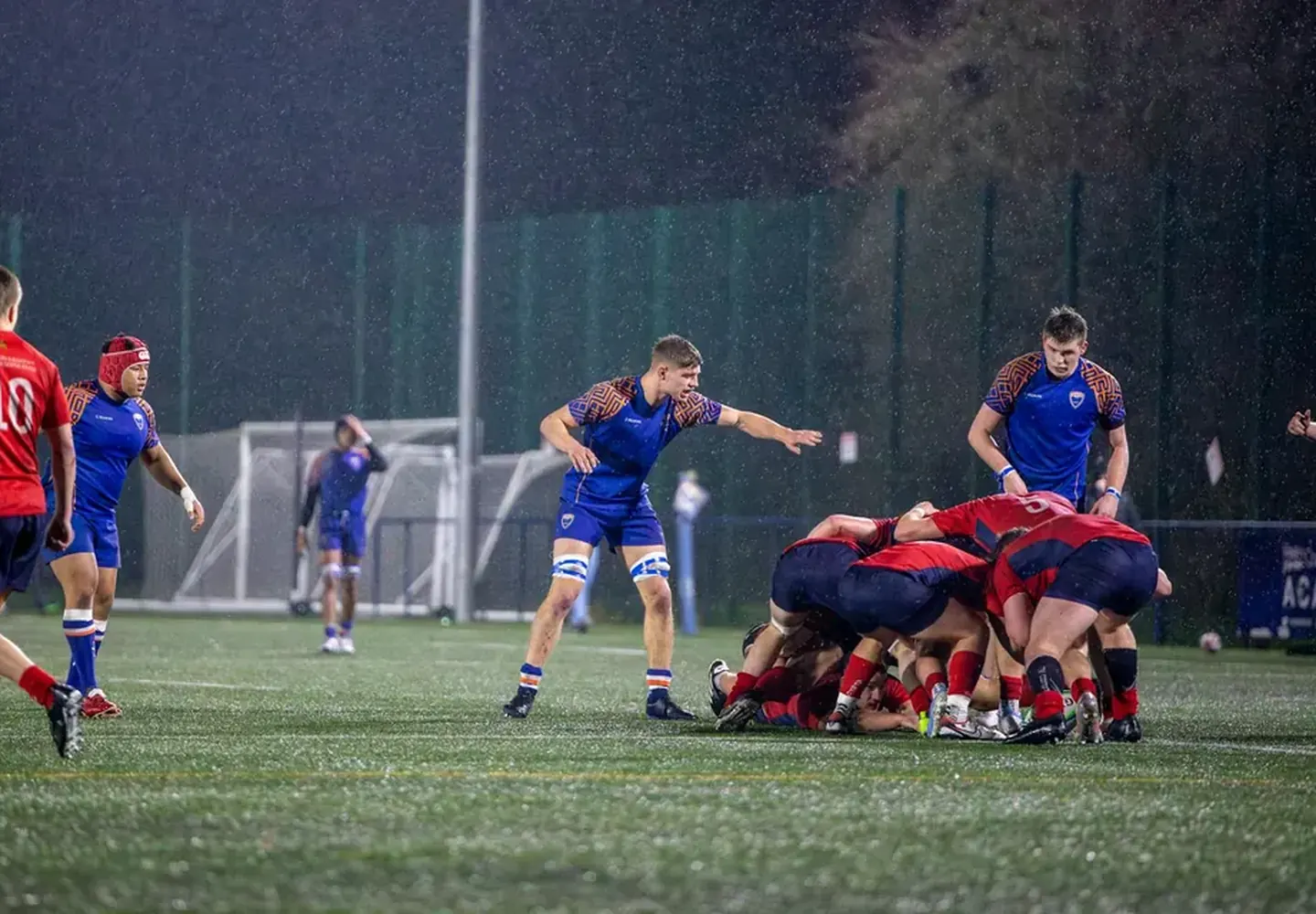
The Hawks adopted a flexible approach to formation, selecting from a menu of three primary structures based on the opponent’s defensive setup and the game situation.
The Corridor Spread: This formation involved players spreading across the width of the ground at varying depths, creating multiple options for the kicker. The target led hard to the centre square, while sweepers positioned themselves in the gaps between defensive zones. This formation was effective against man-on-man defences but required precise kicking and excellent decision-making.
The Cluster and Release: In this structure, all outfield players clustered within a 20-metre radius of the kicker, drawing defenders into a congested area. At a pre-arranged trigger—often a hand signal from the kicker—players would break in different directions, creating separation and confusion. This formation was particularly effective against zone defences, as it forced opponents to communicate and adjust rapidly.
The Overload: This formation involved stacking two or three players on one side of the ground, creating a numerical advantage in that area. The kicker would target that side, trusting that the extra numbers would secure possession or create a chain of handballs to exit the defensive zone. This approach was high-risk but could yield rapid forward thrust if executed correctly.
Implementation or Tactical Details
The transition from theory to practice required meticulous attention to detail. The Hawks devoted the first 20 minutes of each training session to kick-in drills, progressing from basic execution to complex, game-speed scenarios.
Phase One: Individual Skill Development
The primary and secondary kickers underwent a structured program focused on three key areas:
- Kicking Under Pressure: Using a combination of close-range defenders and time constraints, kickers practised delivering the ball accurately while being harassed. Drills included kicking from a standing start, on the run, and after a gather, with defenders advancing from various angles.
- Distance and Trajectory Control: Kickers worked on varying their kicks—low, driving balls to hit leading targets; high, looping kicks to allow teammates to position under the ball; and flat, penetrating kicks to clear the defensive zone entirely.
- Decision-Making: Using video analysis of their own games and elite-level examples, kickers were trained to recognise defensive structures and select the appropriate option within a short time of receiving the ball.
Phase Two: Team Patterns
Once individual skills were established, the team moved to pattern-based work. Each formation was drilled repeatedly until players could execute their roles without conscious thought. Key tactical details included:
- Timing of Leads: The target’s lead was timed to coincide with the kicker’s final stride, ensuring the ball arrived as the player reached the contest. Leading too early allowed defenders to follow; leading too late meant the ball arrived before the player was in position.
- Sweeper Positioning: Sweepers were instructed to maintain a depth of 10–15 metres behind the target, allowing them to read the flight and react to spills. They were also responsible for communicating defensive pressure to the kicker, using pre-arranged calls.
- Defensive Screen Responsibilities: The screening players were taught to use legal body contact to impede chasing opponents, focusing on positioning rather than aggressive blocking. They were also required to release and become receive options if the kick was directed elsewhere.
Phase Three: Game Simulation
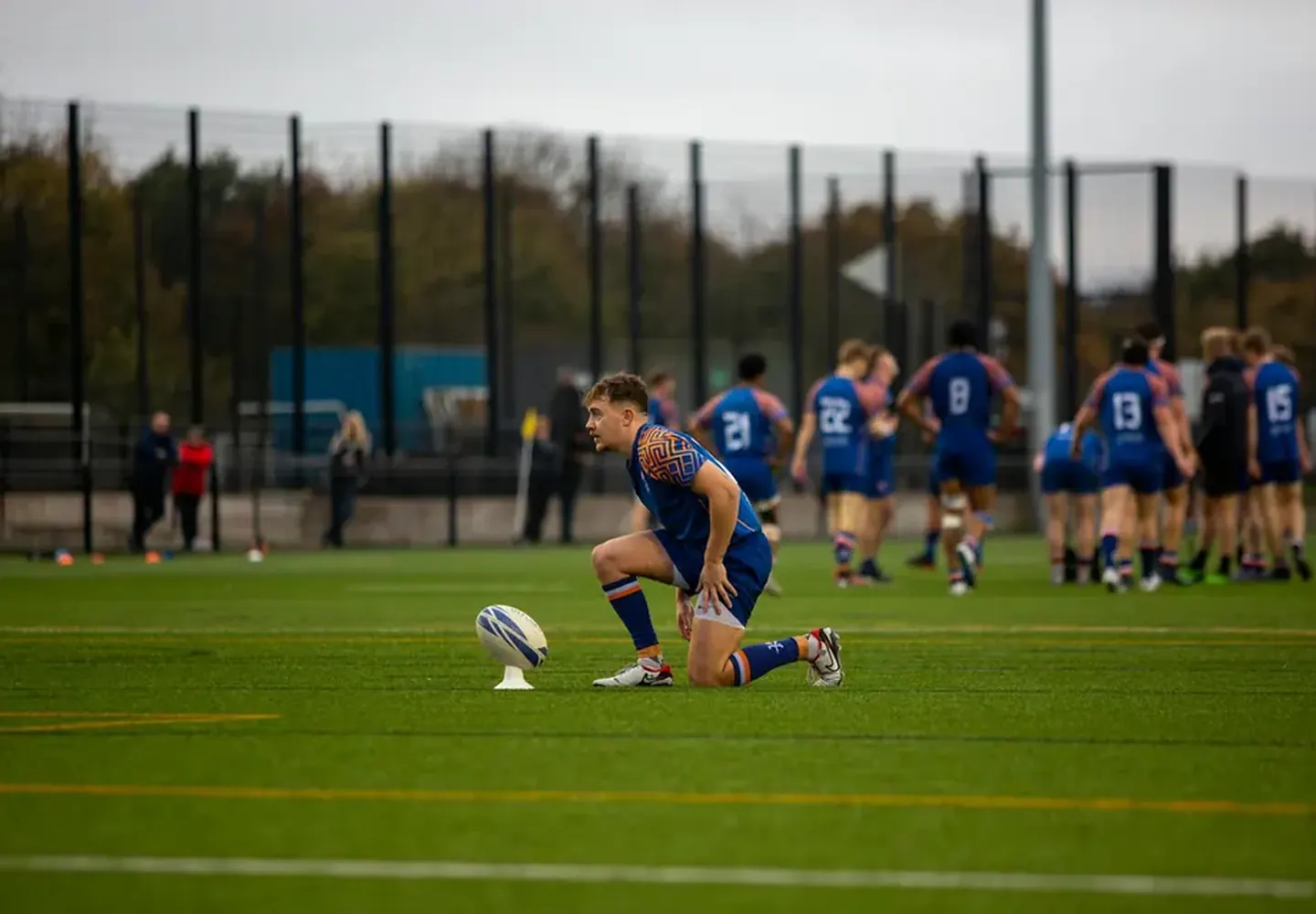
The final phase involved full-ground simulations with opposition players mimicking various defensive structures. The Hawks’ coaching staff would call out defensive setups—man-on-man, zone, or hybrid—and the players had to select and execute the appropriate formation within a set time. This pressure-cooker environment built the decision-making speed and communication skills essential for match day.
A hypothetical example illustrates the process: In a pre-season trial match, the Hawks faced a side that employed an aggressive man-on-man defence at kick-ins, with each forward closely tagged. The Hawks’ coach called for the “Cluster and Release” formation. As the kicker prepared to play on, all outfield players converged in a tight group 30 metres from goal. The opposing defenders, unsure of their assignments, hesitated. At the kicker’s hand signal, the Hawks exploded in different directions—the target led hard to the left, two sweepers drove to the corridor, and the outlet sprinted to the right flank. The kicker delivered a low, driving kick to the target, who outmarked his opponent and immediately handballed to a sweeper. Within seconds, the Hawks had moved the ball from their goal square to the attacking 50-metre arc, creating a scoring opportunity that would have been impossible under the old long-kick approach.
Results or Observed Lessons
While specific match statistics are unavailable for this hypothetical case study, the qualitative outcomes of the Hawks’ strategic overhaul were significant. Over the course of a season, the coaching staff observed several key improvements:
- Increased Retention Rate: The proportion of kick-ins that resulted in retained possession rose notably. This reduction in turnovers directly reduced opposition scoring opportunities from kick-in rebounds.
- Improved Forward Entry Quality: Rather than simply clearing the ball to a neutral contest, the Hawks were consistently able to generate clean possession and transition the ball into their forward half with structure. This led to a higher proportion of inside-50 entries that resulted in scoring shots.
- Enhanced Player Confidence: The structured approach gave players clear roles and responsibilities, reducing hesitation and uncertainty. The kicker, in particular, reported feeling more composed under pressure, knowing that teammates were executing their patterns reliably.
- Opponent Adaptation: As the Hawks’ kick-in reputation grew, opponents began adjusting their defensive structures, often committing additional players to the kick-in zone. This created space elsewhere on the ground, which the Hawks could exploit through alternative formations.
Lessons for Coaches and Players
Several transferable lessons emerged from this case study:
- Specialise the Kicker: Not every full-back is suited to the kick-in role. Identify the player with the best combination of kicking skill, composure, and decision-making, and invest training time in their development.
- Simplify the Decision-Making: Reduce the number of options to a manageable few. Players should have a clear hierarchy of choices—target A, then B, then C—rather than trying to process multiple possibilities in real time.
- Practice Under Pressure: Kick-in execution under game conditions is fundamentally different from practice in an empty stadium. Simulate defensive pressure, noise, and fatigue to build resilience.
- Communicate Constantly: Pre-arranged calls and hand signals are essential for coordinating formations and triggers. Teams should practise these until they become automatic.
- Adapt to the Opponent: No single formation works against every defence. Develop a repertoire of structures and empower players to adjust based on what they see.
- Treat the kick-in as an offensive opportunity, not a defensive obligation. This mindset shift unlocks creativity and investment in training time.
- Invest in the kicker. The individual responsible for executing the kick-in is the most important player in the play. Dedicate resources to their development.
- Use formations to create mismatches. Whether through spreading, clustering, or overloading, the goal is to create a numerical or positional advantage that can be exploited.
- Practice, practice, practice. Kick-in patterns require repetition to become instinctive. Dedicated training time is non-negotiable.
- Review and refine. Use video analysis to identify patterns in opponent defences and adjust formations accordingly. The best kick-in strategies evolve over the course of a season.
For coaches and players seeking to improve their own kick-in performance, the journey begins with a willingness to challenge conventional wisdom. The long bomb down the centre may still have its place, but the modern game rewards those who can combine structure with creativity, discipline with daring. By investing in the kick-in as a tactical weapon, teams can transform a routine restart into a genuine competitive advantage.
This article is part of our ongoing series on match tactics. For further reading, explore our analysis of handball strategies and set-shot kicking tips.
Reader Comments (0)