

The centre bounce is the heartbeat of Australian rules football. Every quarter begins with it, every goal is followed by it, and every fan knows the tension that builds as the umpire prepares to release the ball. But for those new to the game—or even seasoned spectators who haven't paused to consider the mechanics—the kick-off rules governing starts and restarts can seem deceptively simple. In reality, they form the structural backbone of how a match flows, dictating momentum, field position, and even game strategy.
Understanding these rules is essential not just for players and coaches, but for any fan who wants to truly appreciate the nuances of the contest. Whether you're watching from the stands at the MCG, following the buildup on television, or simply trying to explain the game to a friend, knowing how and when play restarts transforms your viewing experience. This guide breaks down every aspect of kick-off rules in Australian rules football, from the opening bounce to the final siren.
The Centre Bounce: How Every Quarter Begins
The Role of the Umpire and the Ball-Up
At the start of each quarter, and after every goal, play resumes with a centre bounce. The field umpire stands in the centre square, holding the ball at waist height. With a sharp, downward motion, they bounce the ball so that it rises vertically and reaches a height of approximately three to four metres before falling back to the ground. This is not a casual toss—it is a precise, practiced technique designed to give both ruckmen an equal opportunity to contest.
The centre bounce is unique to Australian rules football. Unlike rugby league, where a kick-off sends the ball deep into opposition territory, or soccer's kick-off from the centre spot, the bounce creates a genuine aerial contest. The two ruckmen—one from each side—position themselves on opposite sides of the umpire, waiting for the ball to reach its apex. Timing, leap, and positioning are everything.
The Centre Square and Boundary Restrictions
The centre square is a 50-metre square marked at the centre of the ground. At the start of each quarter, and after a goal, only four players from each team are permitted inside this square until the ball is bounced. This rule prevents congestion and ensures a fair contest. The ruckman and three other players—typically midfielders—take their positions, while the remaining 14 players from each side must stay outside the square until the ball leaves the umpire's hands.
This restriction is crucial for maintaining structure. If all 18 players from each team crowded the centre square, the bounce would be chaotic and dangerous. The four-player limit creates space for the ruck contest and allows the midfielders to read the fall of the ball, breaking toward their designated zones once play begins.
The Ruck Contest: More Than Just a Jump
The ruckman's primary job at the centre bounce is to tap the ball to a teammate's advantage. This is not simply about who jumps highest; it's about reading the umpire's bounce, positioning the body to shield opponents, and directing the ball with precision. A well-timed tap can set up a chain of handballs that leads directly to a forward entry.
Ruckmen train extensively on their leap and tap technique. Some prefer to palm the ball backward to a rover, while others aim to punch it forward into space. The best ruckmen combine athleticism with football IQ, knowing exactly where their midfielders will be running before the ball even leaves the umpire's hands.
Restart After a Goal: The Traditional Kick-In
The Goal Umpire's Signal and the Kick-In Procedure
When a goal is scored, the goal umpire signals by waving two flags. The scoring team's opponents then have the opportunity to restart play from the goal line. This is called the kick-in. The player taking the kick-in must kick the ball from within the goal square, a 9-metre by 6.5-metre rectangle marked directly in front of the goals.
The kick-in is a critical moment in the game. It offers the team that conceded the goal a chance to reset, reorganise, and launch an attacking move from the defensive end. In modern football, the kick-in has become highly strategic, with teams using set plays to create space and find a clean possession.
The 30-Second Rule and Time Wasting
After a goal is scored, the player taking the kick-in has 30 seconds to dispose of the ball. This timer starts as soon as the goal umpire signals the score. If the player exceeds this time, the umpire will call "play on," and the opposition can apply pressure. In practice, most kick-ins happen within 10-15 seconds, but the rule exists to prevent deliberate time wasting, especially in close games during the final quarter.
The 30-second rule also applies to the team that scored the goal. They must return to their positions promptly, though they are allowed to celebrate briefly. The umpire will not bounce the ball at the centre until the scoring team has had a reasonable opportunity to get back into position.
Strategic Variations: Short vs. Long Kick-Ins
Teams have developed distinct strategies for kick-ins. A long kick-in aims to send the ball deep into the forward line, bypassing the midfield contest and creating a one-on-one marking opportunity. This approach is high-risk, high-reward—if the opposition marks the ball, they can quickly rebound.
A short kick-in, by contrast, involves passing to a teammate positioned just outside the goal square or along the boundary line. This retains possession and allows the team to build play from the backline. Many modern teams prefer short kick-ins because they control the tempo and reduce the risk of a turnover in a dangerous area.

Some teams also use a "switch" kick-in, where the player kicks across the ground to the opposite flank, dragging the opposition defence out of position. This requires precise kicking and good communication among teammates.
Restart After a Behind: The Kick-In from the Goal Square
How a Behind Differs from a Goal
A behind is worth one point and occurs when the ball passes between a goal post and a behind post, or is touched by a defender before crossing the goal line. After a behind, play restarts with a kick-in from the goal square, taken by a player from the team that conceded the score.
The key difference from a goal restart is that the team that scored the behind does not get a centre bounce. Instead, the defending team takes the kick-in, and play continues immediately. This means that behinds can be strategically valuable—they stop the opposition from scoring a goal while also giving the defending team possession.
The 15-Second Rule for Behind Restarts
Unlike the 30-second allowance after a goal, the player taking a kick-in after a behind has only 15 seconds to dispose of the ball. This shorter timeframe reflects the fact that play has not stopped entirely; the ball simply went out of bounds. The quicker restart keeps the game flowing and prevents defensive teams from stalling.
If the player exceeds 15 seconds, the umpire again calls "play on," allowing the opposition to apply pressure. This rule is particularly important in wet or windy conditions, where players might be tempted to delay and wait for better kicking conditions.
Defensive Setup During Kick-Ins
When the opposition takes a kick-in, the defending team sets up in a zone to pressure the kicker and cover potential targets. This is known as the "press" or "defensive zone." Players position themselves along lines that cut off short options, forcing the kicker to go long—ideally to a contest where the defender has the advantage.
The defending team must be careful not to cross the goal line before the kick is taken, as this would be a free kick to the kicking team. This rule prevents defenders from rushing the kicker and creating an unfair advantage.
The Boundary Throw-In: Restarting When the Ball Goes Out
When and Where Boundary Throw-Ins Occur
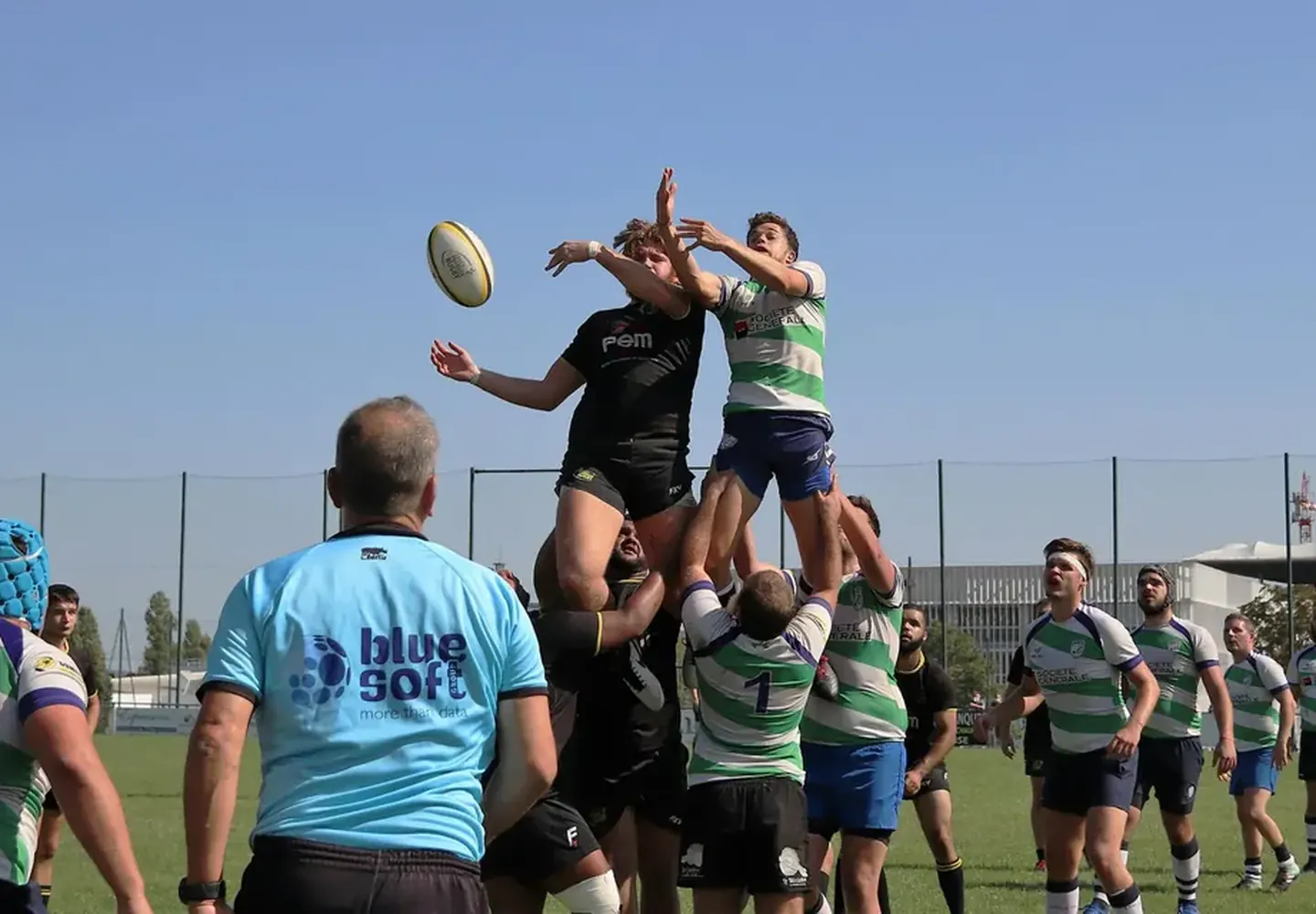
When the ball goes out of bounds along the sideline, play restarts with a boundary throw-in. The boundary umpire stands at the point where the ball crossed the line and throws the ball directly upward, as high as possible, in a straight line. This creates a contest similar to the centre bounce, though without the same restrictions on player numbers.
Boundary throw-ins are common in Australian rules football, occurring dozens of times per match. They offer a genuine contest for the ball, with ruckmen from both sides competing to tap it to their teammates.
The Boundary Umpire's Technique
The boundary umpire must throw the ball with both hands, keeping it vertical and ensuring it reaches a height of at least five metres. The throw must be straight and not favour either side. If the umpire's throw is deemed unfair—for example, if it veers to one side—the umpire will call for a re-throw.
Boundary umpires train extensively to maintain consistency. A poor throw can disadvantage one team and lead to complaints from coaches and players.
Player Positioning at Boundary Throw-Ins
Unlike the centre bounce, there are no restrictions on how many players can be near the boundary throw-in. This leads to congested contests, especially in the forward and defensive 50-metre arcs. Ruckmen position themselves under the flight of the ball, while midfielders and small forwards hover around the fall zone, ready to crumb the ball if it spills free.
Smart teams use boundary throw-ins to set up attacking plays. A ruckman might tap the ball directly to a running midfielder, or punch it backward to create space. The unpredictability of the contest makes boundary throw-ins a key area of the game.
The Start of Overtime and Special Circumstances
Overtime Rules in Finals and Draws
In the AFL, drawn matches during the home-and-away season are recorded as draws. However, in finals matches, overtime is used to determine a winner. Overtime consists of two five-minute halves, with a change of ends after the first half. Play starts with a centre bounce, just like the beginning of a quarter.
If the scores remain level after overtime, additional periods are played until a winner is determined. This is rare but has produced some of the most dramatic moments in football history.
Delayed Starts and Weather Delays
In extreme weather conditions, such as lightning or heavy fog, the umpire may delay the start of a quarter or suspend play. When play resumes, it restarts with a centre bounce, regardless of how the ball was in play when the delay occurred. This ensures a fair contest and avoids any advantage from the previous stoppage.
The Quarter-Time and Half-Time Breaks
Between quarters, players have a six-minute break. At half-time, the break is 20 minutes. During these intervals, teams retreat to their dressing rooms for coaching instructions and tactical adjustments. When they return to the field, play restarts with a centre bounce, as at the beginning of the match.
The half-time break is particularly important for recovery and strategy. Coaches use this time to analyse the first half and make changes to their game plan. Players rehydrate, receive treatment for injuries, and mentally prepare for the second half.
Practical Examples and Match-Day Context
How the Centre Bounce Influences Momentum
Consider a scenario where a team scores a goal late in the third quarter. The opposition takes the kick-in, works the ball forward, and scores a goal of their own within two minutes. The centre bounce that follows the second goal becomes a critical moment—the team that wins the tap can seize momentum and carry it into the final quarter.
Coaches and players understand this rhythm intimately. A dominant ruckman can turn the tide of a match simply by winning centre bounces. This is why teams invest heavily in developing their ruck division and why ruckmen are among the most valued players on any list.
The Kick-In as a Defensive Weapon
A well-executed kick-in can be as damaging as a goal. By retaining possession and moving the ball methodically up the ground, a team can eat up clock time, force the opposition to defend, and create scoring opportunities. In close matches, the ability to control the kick-in is often the difference between victory and defeat.
Teams practice kick-in strategies extensively during the week. They rehearse set plays, identify mismatches, and develop contingency plans for different defensive setups. The best teams make the kick-in look effortless, but it is the product of hours of preparation.
Grassroots Football and Modified Rules
At grassroots level, particularly in junior and community football, kick-off rules are often modified to suit the age and skill level of participants. Junior leagues may allow players more time to take kick-ins, or reduce the number of players required in the centre square. These modifications ensure that young players can learn the game without being overwhelmed by its complexities.
As players progress through the ranks, they gradually adopt the full set of rules. By the time they reach senior football, they are expected to understand and execute every aspect of the kick-off process.
Conclusion: Mastering the Start and Restart
The kick-off rules of Australian rules football are far more than a procedural formality. They shape the flow of the game, influence strategy, and create moments of high drama. From the precision of the centre bounce to the tactical nuance of the kick-in, every restart offers an opportunity for skill, intelligence, and teamwork to shine.
For fans, understanding these rules deepens appreciation of the contest. The next time you watch a match—whether it's a local club game or a high-level competition—pay attention to the centre bounce. Watch how the ruckmen position themselves, how the midfielders read the tap, and how the kick-in unfolds. You will see the game in a new light.
To continue building your knowledge of Australian rules football, explore our comprehensive guide to the rules basics or learn about forward roles and responsibilities to understand how players execute their duties after the restart. Each guide builds on the last, giving you the tools to enjoy the game at every level.
Reader Comments (0)