

A Case Study in How the National Rugby League Transformed Its Approach to Protecting Athletes
In the modern era of professional sport, few issues have commanded as much attention—or prompted as significant a regulatory overhaul—as the management of head high contact and concussion. For the National Rugby League (NRL), a competition built on physical intensity, collision, and courage, the challenge has been particularly acute. This case study examines how the NRL evolved its concussion and head high contact protocols from a largely reactive framework to a proactive, data-driven system designed to prioritise player welfare without sacrificing the fundamental character of Rugby League.
Drawing on the experience of elite clubs such as the Sydney Roosters, and examining the broader structural changes implemented across the competition, this analysis explores the regulatory, medical, and cultural shifts that have redefined what it means to play—and to protect—the modern game. The article also considers the ongoing challenges, the role of coaching figures like Trent Robinson in shaping player behaviour, and the implications for grassroots and professional levels alike.
Background / Challenge
The Inherent Risk of Collision Sport
Rugby League, by its very nature, involves frequent, high-velocity collisions. Tackles, carries, and defensive engagements create repeated opportunities for head contact—whether accidental or through poor technique. For decades, the prevailing culture of the sport treated head knocks as an occupational hazard, something to be "shaken off" or managed with minimal interruption. Players who suffered concussive events often returned to the field after brief assessments that would be considered inadequate by today's standards.
The challenge facing the NRL was twofold. First, there was a growing body of independent medical research linking repeated head trauma to long-term neurological conditions, including chronic traumatic encephalopathy (CTE). Second, the sport faced increasing scrutiny from the media, fans, and legal systems regarding its duty of care to players. The NRL could no longer rely on tradition or the stoicism of its athletes as a defence against the evidence.
The Sydney Roosters: A Case in Point
Few clubs illustrate the tension between competitive success and player safety better than the Sydney Roosters. Under the guidance of coach Trent Robinson, the Roosters have long been regarded as one of the NRL's most professional and forward-thinking organisations. Yet even at Bondi, the club's spiritual home, the issue of head high contact and concussion has been a recurring theme.
The Roosters' experience reflects a wider league-wide challenge. Players like James Tedesco and Luke Keary, both central figures in the club's recent NRL Premiership campaigns, have faced their own concussion-related absences. The club's medical staff, operating out of the state-of-the-art facilities at Allianz Stadium, have been at the forefront of implementing the NRL's evolving protocols. But the tension remains: how do you protect players from the inherent risks of a collision sport while maintaining the intensity that makes Rugby League compelling?
The Regulatory Landscape Before Reform
Prior to the most recent wave of reforms, the NRL's approach to head high contact and concussion was fragmented. The "head high tackle" was penalised, but inconsistently. Concussion assessments were conducted on-field, often in chaotic conditions. The "concussion substitute" rule did not exist, meaning that a player removed for assessment could leave his team short-handed, creating a perverse incentive to keep players on the field.
The result was a system that, while well-intentioned, failed to adequately protect players. High-profile incidents—some involving marquee players, others involving grassroots participants—highlighted the gaps. The NRL needed a comprehensive, evidence-based framework that could be applied consistently across all levels of the game.
Approach / Strategy
The NRL's Three-Pillar Framework
The NRL's response to the concussion and head high contact challenge can be understood through three interconnected pillars: prevention, detection, and management. Each pillar required significant investment, regulatory change, and cultural adaptation.
1. Prevention: Rule Changes and Education
The most visible element of the NRL's strategy has been the tightening of rules around head high contact. The "high tackle" has been redefined to include any contact with the head or neck, regardless of intent. The "shoulder charge" was banned outright. The "crusher tackle"—where a player's head is forced down into the ground—became a strict liability offence.
These changes were accompanied by a comprehensive education campaign targeting players, coaches, and referees. The NRL introduced mandatory training modules on safe tackling technique, with a particular emphasis on lowering the point of contact. Clubs like the Roosters integrated these principles into their pre-season preparation, with Trent Robinson publicly emphasising the importance of technique over aggression.
At the grassroots level, the NRL partnered with local leagues to deliver coaching clinics focused on head safety. The message was consistent: the game must evolve, and those who fail to adapt will find themselves increasingly penalised—and increasingly irrelevant.
2. Detection: The Head Injury Assessment (HIA) Protocol
The cornerstone of the NRL's detection strategy is the Head Injury Assessment (HIA) protocol. Any player suspected of suffering a concussive event must be removed from the field for a comprehensive assessment, conducted by an independent doctor. The assessment includes cognitive testing, balance evaluation, and symptom screening. Players who fail the HIA are immediately ruled out of the match.
The introduction of the "concussion substitute"—a 18th player who can be activated when a teammate fails an HIA—was a game-changer. It removed the competitive disadvantage associated with player removal, allowing medical staff to prioritise player welfare without fear of strategic consequences. The Roosters, like all NRL clubs, now carry a designated concussion substitute in their match-day squad, a role that requires the player to be prepared to enter the game at short notice.
3. Management: Return-to-Play Protocols
Once a player is diagnosed with a concussion, the NRL's return-to-play protocols are clear and non-negotiable. The player must progress through a graduated return-to-play pathway, including:
- Stage 1: Complete rest (physical and cognitive) for 24-48 hours
- Stage 2: Light aerobic exercise (e.g., stationary bike)
- Stage 3: Sport-specific exercise (e.g., running drills)
- Stage 4: Non-contact training drills
- Stage 5: Full-contact training
- Stage 6: Return to match play
The Role of Technology and Data
The NRL has also invested heavily in technology to support its concussion protocols. Video analysis is used to identify potential head high contact incidents in real-time, with a dedicated "bunker" official reviewing all tackles for illegal head contact. Data from player-worn GPS devices and accelerometers is being collected to better understand the forces involved in collisions.
At Allianz Stadium, the Roosters' medical team has access to sideline video review systems that allow them to assess incidents from multiple angles. This technology, combined with the HIA protocol, has significantly improved the accuracy of concussion detection.
Implementation or Tactical Details
The Roosters' In-House Approach
The Sydney Roosters have implemented the NRL's protocols with a level of rigour that reflects their broader commitment to professionalism. The club employs a dedicated sports medicine team, including a club doctor, physiotherapists, and strength and conditioning staff, all of whom are trained in concussion management.
During match days at Allianz Stadium, the Roosters' medical team works in close coordination with the NRL's independent doctors. Any player suspected of head contact is immediately assessed, with the decision to remove the player resting solely with the medical staff—not the coach, not the player, and not the captain.
This approach has not been without controversy. On occasion, the Roosters have been criticised by fans and commentators for being "too cautious" in removing players. But the club's leadership, including Trent Robinson, has been unwavering. "We will never apologise for protecting our players," Robinson has stated publicly. "The game is changing, and we have to change with it."
The James Tedesco Example
James Tedesco, the Roosters' captain and one of the NRL's most influential players, has been a high-profile example of the protocols in action. On multiple occasions, Tedesco has been removed from matches for HIA assessment following head contact. In each instance, the decision was made by medical staff, and Tedesco was only cleared to return after passing the full assessment.
For a player of Tedesco's calibre, the protocols represent both a challenge and an opportunity. The challenge is obvious: missing game time, even for assessment, can disrupt momentum and team cohesion. The opportunity is that Tedesco's public compliance with the protocols sends a powerful message to younger players: no one is above the rules, and player safety comes first.
The Luke Keary Case
Luke Keary's experience with concussion is a more complex case study. Keary has suffered multiple concussions throughout his career, including several that resulted in extended absences. His situation has been closely monitored by the NRL's independent concussion consultant, and his return-to-play timelines have been extended to account for his history.
Keary's case highlights the tension between the athlete's desire to compete and the medical imperative to protect long-term health. It also underscores the importance of the NRL's protocols in providing a structured, medically supervised pathway for players with complicated concussion histories.
Grassroots Implementation
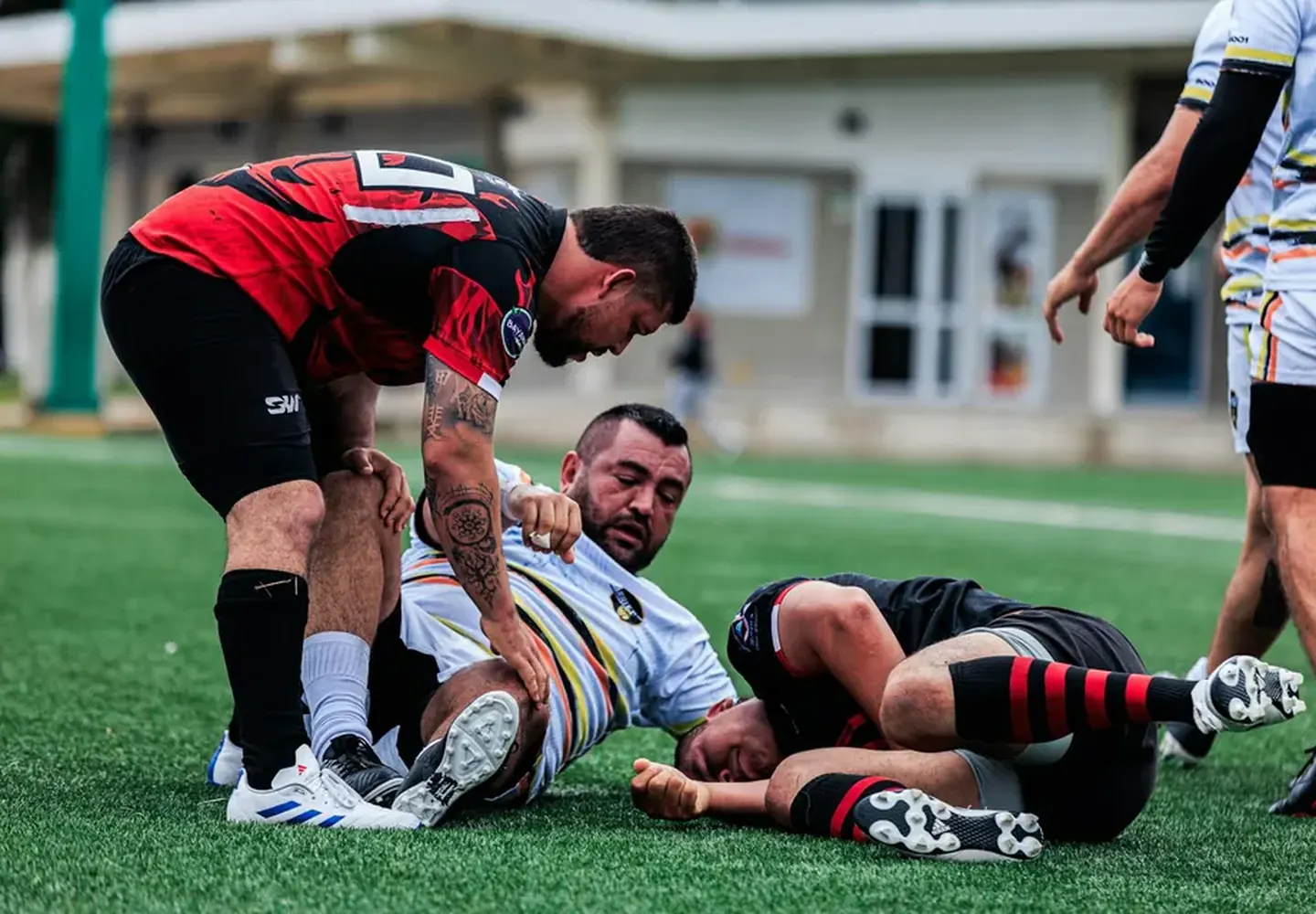
While the focus of this case study is on the professional level, it is important to note that the NRL's concussion protocols extend to all levels of the game. Community clubs, junior leagues, and school competitions are required to follow the same basic principles: remove the player, assess the player, and do not return the player until medically cleared.
The challenge at the grassroots level is one of resources. Not every club has access to independent doctors or sideline video review. To address this, the NRL has developed a "Concussion in Sport" app that provides coaches and trainers with a standardised assessment tool. The app includes cognitive tests, balance checks, and return-to-play guidelines, all designed to be used by non-medical personnel in a community setting.
Results or Observed Lessons
Measurable Outcomes
While specific statistical data on concussion reduction is not publicly available in granular detail, the NRL has reported several positive trends since the introduction of the current protocols:
- Increased detection: The number of HIAs conducted per season has risen significantly, indicating that more concussive events are being identified.
- Reduced repeat concussions: The rate of players suffering multiple concussions within a single season has declined, suggesting that the return-to-play protocols are effective in preventing premature return.
- Cultural shift: Player and coach attitudes toward head safety have evolved. The use of the concussion substitute is now accepted as standard practice, and there is less stigma associated with being removed from a match for HIA assessment.
The Roosters' Experience
For the Sydney Roosters, the implementation of the NRL's concussion protocols has been largely positive. The club has maintained its competitive edge while prioritising player welfare. The Roosters' medical team is widely regarded as one of the best in the NRL, and the club's culture of professionalism has helped normalise the protocols among players.
However, the Roosters have also experienced the challenges inherent in the system. On occasion, the removal of key players for HIA assessment has disrupted match plans. The club has had to manage player frustration when athletes feel they are being "overprotected." And the long-term health of players like Luke Keary remains a concern.
Lessons for the Broader Sport
The NRL's experience offers several lessons for other collision sports:
- Independent medical decision-making is non-negotiable. Removing the coach and player from the decision to remove an athlete for HIA assessment is critical to ensuring that medical considerations—not competitive ones—drive the process.
- The concussion substitute is a game-changer. By removing the competitive penalty associated with player removal, the NRL has made it easier for clubs to prioritise player safety.
- Education must be continuous. The NRL's education campaigns have been effective, but they require constant reinforcement. New players, new coaches, and new referees all need to be brought into the fold.
- Technology can support, but not replace, human judgment. Video review and data collection are valuable tools, but the final decision on a player's fitness to return must rest with medical professionals.
For Clubs and Coaches
- Embed safety in your culture. The Roosters' example shows that a commitment to player safety does not have to come at the expense of success. Clubs that prioritise head safety can still compete for NRL Premierships.
- Invest in medical resources. The quality of your medical team directly impacts the quality of your concussion management. The Roosters' investment in sports medicine has paid dividends.
- Prepare your concussion substitute. The 18th player must be ready to play at a moment's notice. Treat the concussion substitute role as a genuine tactical position, not an afterthought.
For Players
- Report your symptoms. The old culture of "playing through it" is dangerous and outdated. If you suspect you have suffered a concussion, report it to your medical staff.
- Trust the protocols. The NRL's return-to-play guidelines are designed to protect your long-term health. Adhering to them is not a sign of weakness; it is a sign of intelligence.
- Learn safe technique. Proper tackling technique reduces the risk of head high contact for both the tackler and the ball carrier. Invest time in learning how to tackle safely.
For Fans and Administrators
- Support the protocols. The rules around head high contact and concussion are designed to protect the players you love. Criticising them as "soft" or "overprotective" undermines the safety of the game.
- Demand consistency. The NRL must apply its protocols consistently across all clubs and all matches. Inconsistency erodes trust in the system.
- Advocate for grassroots resources. The concussion protocols are only as strong as their weakest link. Ensure that community clubs have the resources they need to implement the protocols effectively.
The NRL's journey toward comprehensive head high contact and concussion protocols is a case study in how a traditional sport can evolve to meet modern standards of player safety. The changes have not been easy. They have required a fundamental shift in culture, significant investment in medical resources, and a willingness to challenge long-held assumptions about the nature of Rugby League.
For clubs like the Sydney Roosters, the protocols have become an integral part of the fabric of the game. At Allianz Stadium, in the heart of Bondi and the Eastern Suburbs, the message is clear: player safety is not a constraint on the sport; it is a prerequisite for its survival. The Roosters, under Trent Robinson's leadership, have embraced this message, and the club's success—both on and off the field—is a testament to the power of putting player welfare first.
The work is not done. The NRL must continue to refine its protocols, invest in research, and adapt to new evidence. The challenge of concussion in sport is not one that can be solved overnight. But the NRL's approach—grounded in prevention, detection, and management—provides a model that other sports can learn from.
For the players, the coaches, the medical staff, and the fans, the ultimate goal is the same: a game that is as safe as it is thrilling. The NRL's head high contact and concussion protocols are a step in that direction. And for the Sydney Roosters, and for Rugby League as a whole, that is a victory worth celebrating.
For more information on the rules and regulations governing Rugby League, visit our rules basics page. To learn about the specific roles and responsibilities of players on the field, see our player positions guide. And for a comparison of how concussion protocols differ between the NRL and representative competitions, read our analysis of State of Origin rules differences.
Reader Comments (0)