

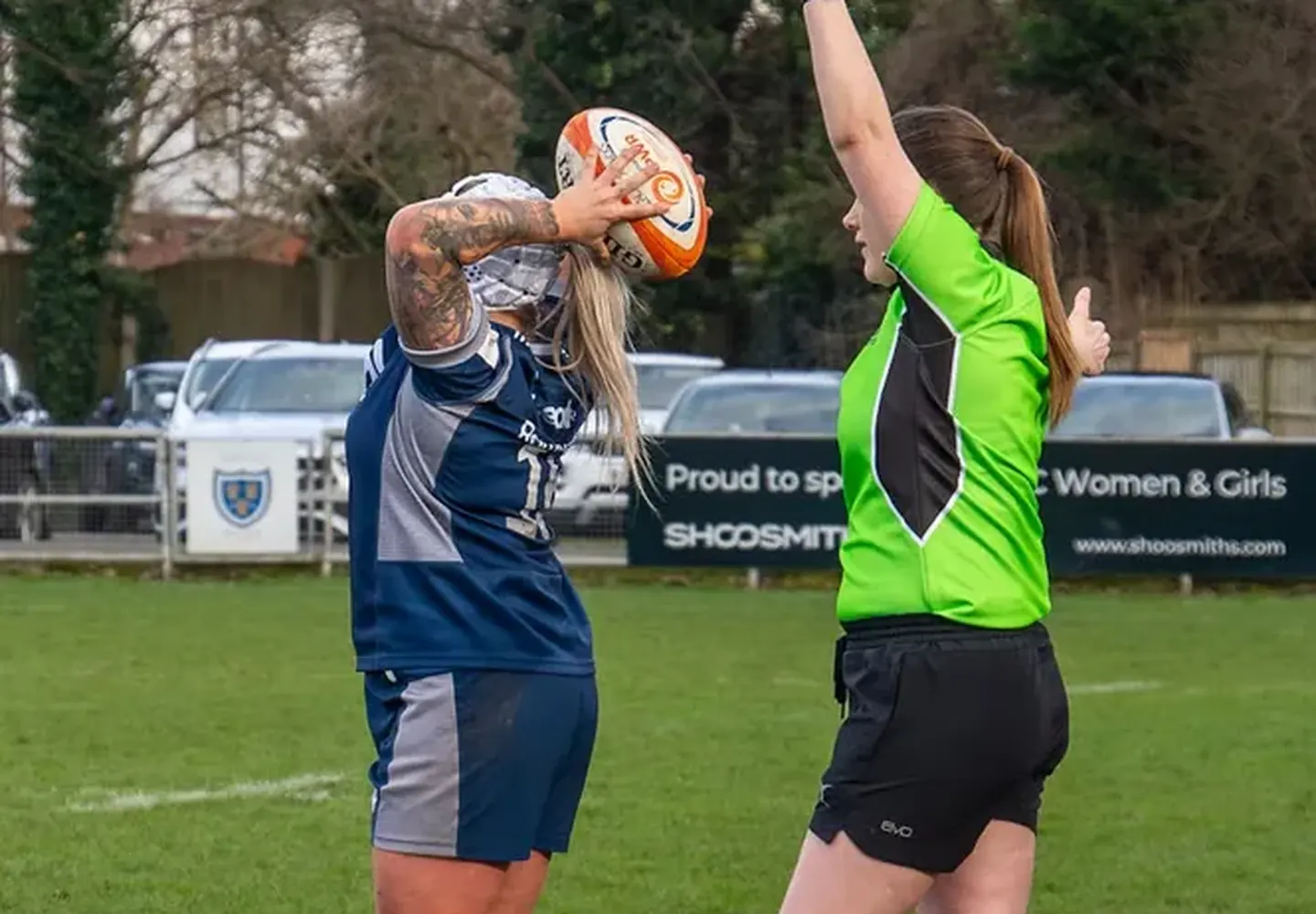
Look, if you're a parent, coach, or grassroots player wondering how to turn raw talent into real results, you've come to the right place. Every young athlete dreams of pulling on a Roosters Jersey and running out at Allianz Stadium, but the gap between dreaming and doing is where most kids fall off. That's where a solid goal setting template comes in.
This isn't about writing vague wishes on a whiteboard. It's about building a practical system that works for footy players aged 12 to 18, whether they're just starting out or already in a club system. By the end of this guide, you'll have a repeatable template that turns "I want to be good at footy" into "I will complete 20 perfect tackles by round five." Let's get into it.
What You'll Need Before You Start
Before you sit down with your young athlete (or yourself), grab these basics:
- A notebook or digital document (Google Docs works fine)
- Access to the NRL Draw for the upcoming season
- A pen that actually writes
- 20–30 minutes of uninterrupted time
- Honesty—this only works if you're real about where you're at
Step 1: Assess Where You're Really At
You can't set a target if you don't know your starting point. This is where most young athletes mess up—they skip straight to "I want to play NRL" without looking at what's actually happening on the field.
What to do:
- Write down your current position (e.g., halfback, fullback, lock)
- Rate yourself 1–10 in five key areas: speed, tackling, passing, game awareness, and fitness
- List three things you did well in your last game or training session
- List three things that need work
- Position: Five-eighth
- Speed: 6, Tackling: 4, Passing: 8, Game awareness: 5, Fitness: 7
- Did well: Set up two tries, communicated well in defence
- Needs work: One-on-one tackles, reading the play when tired
Step 2: Set Your Big Picture Goal (The Dream)
Every young athlete needs a North Star. This is the goal that gets you out of bed for early morning training. It should be ambitious but not impossible.
The rule: One big goal per season. No more.
Good examples:
- "Earn a spot in the club's representative team by the end of the season"
- "Get selected for the local under-16s squad"
- "Improve my fitness enough to play 80 minutes without dropping off"
- "Make the NRL" (too vague, too far away)
- "Score 50 tries" (unrealistic for most positions)
- "Become the next James Tedesco" (you need to be your own player)
Step 3: Break It Down into Monthly Milestones
A season goal is too big to tackle all at once. You need checkpoints along the way. Think of these like the rounds in the NRL Draw—each one gets you closer to the Grand Final.
How to do it:
Look at your big goal and ask: "What needs to happen by the end of month one for this to stay on track?"
Example for a player aiming to make the rep team:
- Month 1 (Pre-season): Complete all club fitness sessions without missing a single one. Hit a 7-minute kilometre time.
- Month 2 (Early season): Improve tackle completion rate from 60% to 75% in games.
- Month 3 (Mid-season): Earn a starting spot in the club's A-grade side.
- Month 4 (Peak season): Get a mention in the local paper or coach's feedback for consistent performance.
Step 4: Create Weekly Action Steps (The Real Work)
This is where the template earns its keep. Monthly milestones are great, but weekly actions are what actually move the needle. Without this step, you're just writing nice words on paper.
For each month, list 3–4 weekly actions:

Example for Month 1 (Fitness focus):
- Week 1: Run 3km three times this week, time each run
- Week 2: Add 2 x 400m sprints after each run
- Week 3: Include one hill sprint session
- Week 4: Test your 3km time—aim to beat Week 1 by 30 seconds
- Week 1: Do 50 tackle drills using a tackle bag (check out our rugby-league-tackle-bag-drills for proper technique)
- Week 2: Film your tackling in training, review with a coach
- Week 3: Focus on footwork before contact—do ladder drills before each session
- Week 4: Ask a teammate to call out your technique during a practice match
Step 5: Track Everything
This is the part that separates the players who improve from the ones who stay the same. You need to track your progress against your weekly actions and monthly milestones.
How to track:
- At the end of each week, tick off completed actions
- If you didn't complete something, write down why (e.g., "missed Tuesday session due to school commitments—rescheduled for Saturday")
- At the end of each month, review your milestone. Did you hit it? If not, adjust.
| Week | Action | Completed? | Notes |
|---|---|---|---|
| 1 | Run 3km x 3 | Yes | Times: 14:20, 14:05, 13:55 |
| 2 | Add 400m sprints | Yes | Felt tough but finished all reps |
| 3 | Hill sprints | No | Rain cancelled session—did indoor stairs instead |
| 4 | Test 3km time | Yes | 13:30—beat target by 30 seconds! |
This is gold. You can see exactly what worked and what didn't. Coaches love this stuff because it shows you're serious about your development.
Step 6: Review and Adjust Monthly
No plan survives first contact with reality. You'll get injuries, school commitments, bad weather, and days where you just don't feel it. That's fine. The template is flexible.
At the end of each month, ask three questions:
- Did I hit my milestone? If yes, celebrate and raise the bar. If no, why not?
- Which weekly actions helped the most? Do more of those.
- What needs to change for next month?
If you missed your tackle completion target because you weren't getting enough reps, add an extra session of training-drills-for-beginners focused on defensive positioning. Or ask your coach for 10 minutes of one-on-one tackle work after training.
The key is to adjust, not abandon. The best players adapt their game. Neither will your young athlete.
Step 7: Celebrate the Wins (Big and Small)
Footy is hard. Training is hard. Missing out on selection is hard. That's why you need to celebrate progress, not just results.
How to celebrate:
- Hit a weekly action? Mark it with a star.
- Complete a month's milestone? Treat yourself to a new piece of gear or a day at Bondi.
- Achieve the big goal? That's a major achievement—share it with family, post it on social media, and set a new goal for next season.
Pro Tips from the Trenches
Tip 1: Keep the goal visible Write your big goal on a Post-it note and stick it on your bedroom wall or inside your locker. Every time you see it, you're reminded why you're doing the work.
Tip 2: Involve your coach Share your template with your coach at the start of the season. They can help you set realistic milestones and might even adjust training to support your goals. Good communication is half the battle.
Tip 3: Don't compare to others Your goal is yours. Don't look at what the kid in the other club is doing. Focus on your own milestones and weekly actions. Comparison is the thief of progress.
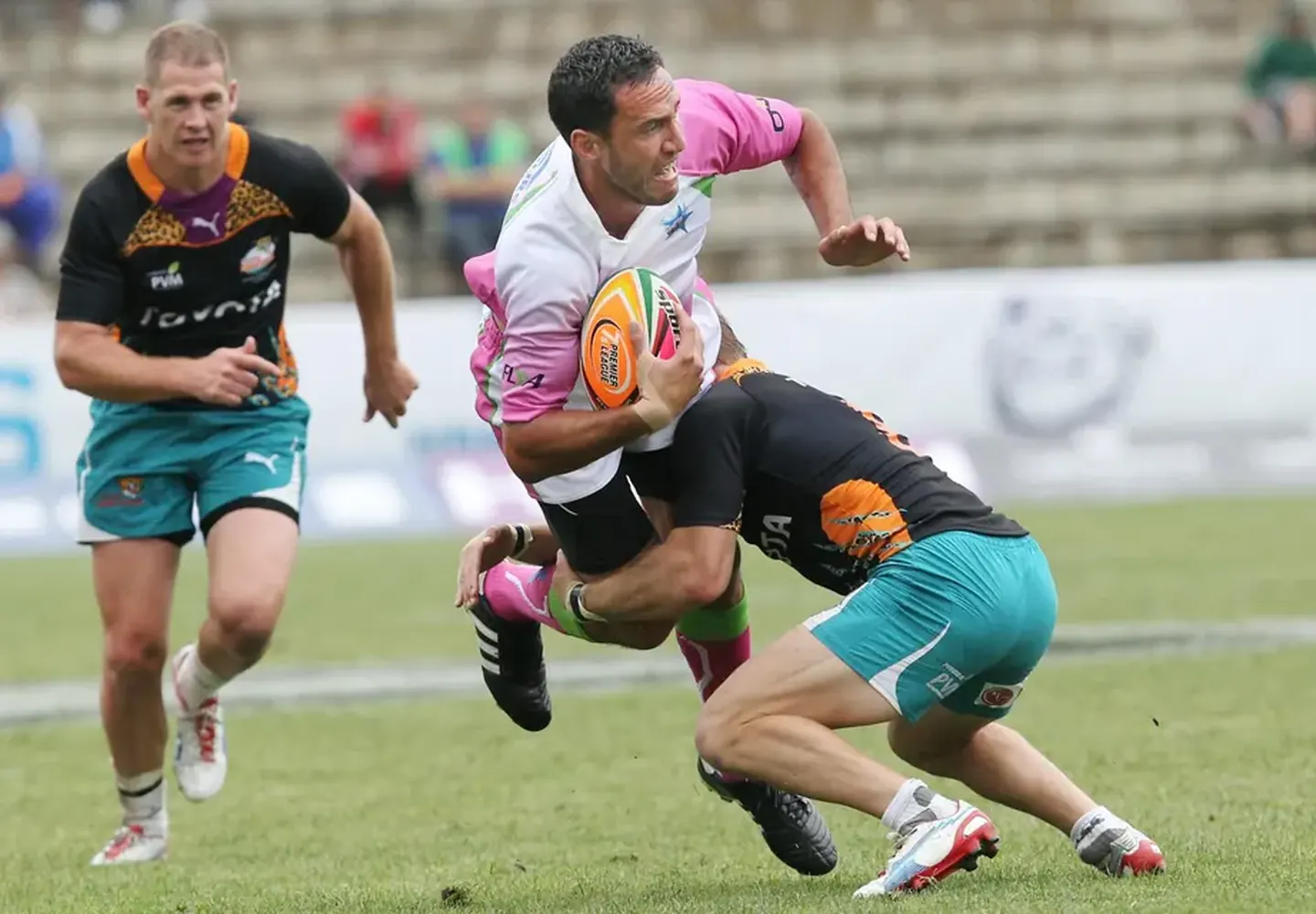
Tip 4: Use your club's culture If you're at a club like the Roosters, you're surrounded by history and standards. Use that. Watch old games from the Eastern Suburbs era. Look at how the club prepares. Let that inspire your goal setting.
Tip 5: Be specific about time "I'll work on my passing" becomes "I'll do 100 passing reps after training every Tuesday and Thursday." Specific time commitments make goals real.
Common Mistakes to Avoid
Mistake 1: Setting too many goals One big goal per season. That's it. If you try to improve everything at once, you'll improve nothing.
Mistake 2: Ignoring the process Don't just focus on the result (making the team). Focus on the actions that lead to the result (training attendance, drill quality, recovery). The result takes care of itself.
Mistake 3: Not writing it down Goals in your head aren't goals. They're wishes. Write them down. Track them. Review them.
Mistake 4: Giving up after a bad week You'll have bad weeks. Everyone does. The difference between players who make it and those who don't is that the good ones get back on the plan.
Mistake 5: Forgetting rest Recovery is part of the goal setting. If you're training seven days a week, you're not getting better—you're getting injured. Include rest days in your weekly actions.
The Complete Rugby League Goal Setting Template Checklist
Here's your ready-to-go checklist. Copy this into your notebook or document and use it every season.
- Step 1: Assess your current level
- Write your position
- Rate yourself 1–10 in speed, tackling, passing, game awareness, fitness
- List three things you did well
- List three things that need work
- Step 2: Set one big picture goal
- Make it ambitious but realistic
- Write it at the top of the page
- Circle it
- Step 3: Break it into monthly milestones
- Month 1 milestone
- Month 2 milestone
- Month 3 milestone
- Month 4 milestone (if applicable)
- Step 4: Create weekly action steps
- 3–4 actions per week for each month
- Each action must be specific and measurable
- Include skill work, fitness, and recovery
- Step 5: Track everything
- Tick off completed weekly actions
- Note reasons for missed actions
- Review monthly milestones
- Step 6: Review and adjust monthly
- Ask: Did I hit my milestone?
- Ask: What helped most?
- Ask: What needs to change?
- Step 7: Celebrate wins
- Mark completed actions with a star
- Treat yourself for hitting milestones
- Share the big goal achievement with others
- Pro tip checks
- Goal visible on wall or locker
- Coach has seen the template
- Not comparing to others
- Using club history for inspiration
- Specific time commitments for actions
Final Word
Goal setting isn't complicated. It's just honest. You look at where you are, decide where you want to be, and build a bridge between the two using weekly actions and monthly milestones.
Whether you're a young player dreaming of an NRL Premiership, a parent supporting your kid through the ranks, or a coach looking for a system that works, this template gives you the structure. The rest is up to you.
Now grab that notebook, sit down, and start building your season. The Grand Final doesn't win itself.
For more on player development, check out our player-development-gear section, and if you're looking to sharpen specific skills, our training-drills-for-beginners and rugby-league-tackle-bag-drills guides will get you started.
Reader Comments (2)