

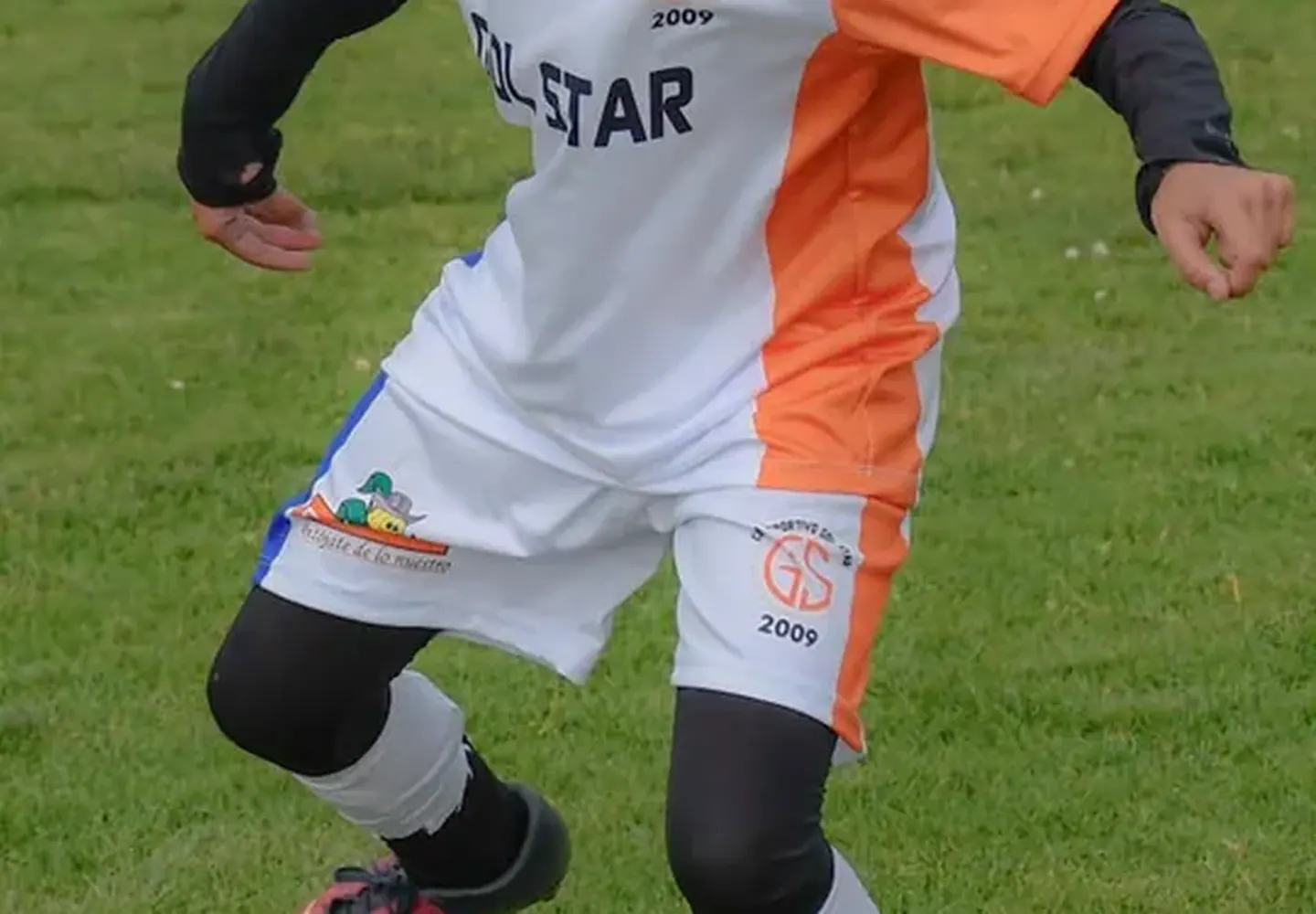
So you want to train like a pro? Good onya, mate. Whether you're a grassroots player just lacing up the boots for the first time, a parent helping your kid get started, or a local club coach looking for fresh ideas, you've come to the right place.
Great teams don't win premierships by accident. Successful clubs build a culture of relentless skill development. But here's the thing—you don't need to be a star player to train like one. You just need the right drills, a bit of patience, and a willingness to put the work in.
This checklist will walk you through the essential training drills for beginners. By the end, you'll have a practical, step-by-step system to build core skills—catching, passing, footwork, tackling basics, and game awareness. No fancy equipment required. Just you, a footy, and a bit of space.
Let's get into it.
What You'll Need (Prerequisites)
Before you start, make sure you've got these basics sorted:
- An Australian rules football (size 4 or 5 for juniors, size 5 for adults)
- A decent patch of grass (local park, backyard, or oval—nothing too muddy)
- Cones or markers (shoes, water bottles, or jumpers work fine)
- A training partner or two (solo drills are okay, but partner work is better)
- Water bottle (hydration is key—don't be that person cramping up)
- Proper footwear (footy boots for grass, runners for hard ground)
- Positive attitude (you'll drop the ball. A lot. That's normal.)
Step 1: Master the Basic Catch (The Foundation of Everything)
Every footy fan knows that clean catches win games. Star players don't score those goals without securing the ball first. This is where you start.
The Drill: Stationary Catch Progression
- Stand with your feet shoulder-width apart, knees slightly bent.
- Hold the ball at chest height with both hands, fingers spread wide (thumbs forming a 'W' shape behind the ball).
- Have your partner stand 3-5 metres away and toss the ball gently to your chest.
- Focus on watching the ball all the way into your hands—don't look away.
- Catch with soft hands (let the ball absorb into your fingers, don't snatch at it).
- Repeat 20 times, then swap roles.
Common mistake: Reaching with straight arms. Keep your elbows bent and bring the ball into your chest. This is called "catching in the breadbasket."
Step 2: Nail the Handball and Kick (Left and Right)
Effective attacking structures rely on crisp, accurate disposal. Good players don't throw hospital passes—they put the ball where their teammates can run onto it. You can too.

The Drill: Stationary Handball
- Grip the ball with your dominant hand: fingers spread, thumb underneath for support.
- Stand sideways to your target, non-dominant shoulder pointing at them.
- Bring the ball back past your ear, elbow bent at 90 degrees.
- Step forward with your front foot as you release, snapping your wrist down at the release point.
- Aim for your partner's chest, about 5 metres away.
- Complete 15 passes each side, then swap.
Common mistake: Throwing across your body. Keep the ball on the side of your body you're throwing from. If you're right-handed, don't let the ball drift to your left before releasing.
Step 3: Develop Footwork and Evasion
Watch elite players weave through defences. That's not magic—it's drilled footwork. Beginners can build this foundation with simple cone drills.
The Drill: Cone Weave
- Set up 5 cones in a straight line, 1 metre apart.
- Start at one end, ball in both hands at chest height.
- Weave in and out of the cones at a jogging pace, keeping your eyes up (not on the cones).
- Focus on sharp changes of direction—plant your outside foot and push off.
- Complete 5 runs through the weave, then 5 runs while carrying the ball in one hand (switch hands).
- Progress to a faster pace once comfortable.
Common mistake: Looking down at your feet or the cones. You need to see the field (and potential passes). Trust your peripheral vision.
Step 4: Practice the Basic Tackle (Safety First)
Tackling is non-negotiable in Australian rules football. Successful teams pride themselves on defensive resilience. But beginners must learn correct technique to avoid injury.
The Drill: Tackle Progression (No Contact to Light Contact)
- Phase 1 (Shadow tackling): Stand facing your partner, 2 metres apart. Assume a defensive stance—knees bent, arms out, eyes on the ball. As your partner steps forward, you step in and wrap your arms around their waist (no grabbing). Repeat 10 times.
- Phase 2 (Bag tackling): Use a tackle bag or a padded shield if available. Run in from 3 metres, drop your level, drive your shoulder into the bag, and wrap your arms around it. Keep your head to the side (never directly in front). Repeat 10 times.
- Phase 3 (Partner tackling, light): With consent and proper gear (mouthguard, pads), your partner stands still while you perform a controlled tackle from the side. Focus on wrapping the legs and driving through. Do 5 each side.
Common mistake: Grabbing high (around the neck or shoulders). Aim for the waist or thighs. High tackles are penalties—and dangerous.
Step 5: Build Game Awareness with Basic Drills
Australian rules football isn't just about individual skills—it's about reading the play. Successful structures rely on communication and positioning.
The Drill: 3-on-2 Overload
- Set up a 10m x 10m grid with cones.
- Three attackers line up across one end, two defenders at the other.
- Attackers pass the ball along the line, moving forward, trying to score by grounding the ball over the try line.
- Defenders work together to slide across and make a tackle or force an error.
- Rotate roles after 5 attempts.
Common mistake: Attackers running straight into defenders. Use the extra man—pass to the player with space. That's how good teams break the line.

Step 6: Incorporate Basic Fitness and Conditioning
You can have all the skills in the world, but if you're gassed after 10 minutes, you're no use to your team. Elite fitness conditioning is important, but beginners start simple.
The Drill: Interval Sprints
- Mark out 40 metres (about half a footy field length).
- Sprint from one end to the other (focus on good form—pump your arms, drive your knees).
- Jog back to the start (active recovery).
- Repeat 6-8 times.
- Rest 2 minutes, then do another set.
Common mistake: Stopping dead after a sprint. Always keep moving—jog, walk, stretch. Sudden stops increase injury risk.
Pro Tips for Beginners
- Watch professional games. Seriously. Watch how star players position themselves in attack, how they scan the defence before passing, how the forwards run hard lines. You'll learn more from watching one game than reading ten articles.
- Train both sides. Most beginners favour their dominant hand. Force yourself to handball, kick, and step off your weaker side. It'll feel awkward, but it's what separates good players from great ones.
- Record yourself. Use your phone to film a few reps. You'll spot mistakes you didn't feel—like dropping your eyes, standing too upright, or throwing across your body.
- Ask for feedback. If you're at a local club, ask your coach to watch your technique. If you're training solo, find a mate who knows footy.
- Be consistent. Fifteen minutes a day, five days a week, beats two hours once a week. Skill development is about repetition.
Common Mistakes to Avoid
- Trying to do too much too fast. Master the basics before attempting flashy step-overs or long passes.
- Ignoring the non-dominant side. You'll get found out quickly if you can only pass right.
- Poor body position. Standing upright makes you slower in footwork drills and weaker in tackles. Stay low.
- Neglecting defence. Everyone wants to score goals. Successful teams win premierships because they defend. Practise tackling.
- Skipping warm-ups. Cold muscles get injured. Spend 5-10 minutes doing light jogging, dynamic stretches, and ball handling before drills.
Checklist Summary
Here's your quick-reference checklist. Print it, save it, stick it on your fridge.
Pre-Training Setup
- Australian rules football (size appropriate)
- Cones or markers (or household items)
- Training partner (or wall for solo work)
- Water bottle
- Proper footwear
- Positive mindset
Step 1: Basic Catch
- Stationary catch progression (20 reps)
- Solo wall catches (if no partner)
- Focus on soft hands and watching ball into fingers
Step 2: Handball and Kick
- Stationary handball (15 reps each side)
- Wrist snap for accuracy
- Aim for chest height, 5 metres
Step 3: Footwork and Evasion
- Cone weave (5 runs each direction)
- Eyes up, small quick steps
- Add ball carry (one hand, then other)
Step 4: Basic Tackle
- Shadow tackling (10 reps)
- Bag tackling (10 reps, if available)
- Partner tackling (light, 5 each side, with gear)
- Head to side, wrap legs, drive through
Step 5: Game Awareness
- 3-on-2 overload drill (5 attempts per role)
- Communication on attack and defence
- Focus on passing to space, not into defenders
Step 6: Fitness Conditioning
- 40-metre interval sprints (6-8 reps)
- Jog back recovery
- 2 sets with 2-minute rest
Pro Tips
- Watch professional games for positioning
- Train weaker side daily
- Record and review technique
- Ask for coach feedback
- Train 15 minutes daily, not 2 hours weekly
Common Mistakes
- Avoid rushing to advanced moves
- Don't skip non-dominant hand training
- Keep body low in footwork and tackles
- Practise defence as much as attack
- Always warm up properly
Final Word
Training like a pro isn't about copying exact drills—it's about adopting the right mindset. Skill development, discipline, and consistency. Whether you're a beginner playing at a local park, a junior at your club, or a parent coaching the under-8s, these drills will build a solid foundation.
Remember: Great players didn't become stars overnight. They didn't throw perfect passes on day one. They put in the reps. So can you.
Now grab your footy, head to the park, and start ticking off that checklist. See you on the field.
For more development tips, check out our guides on junior footy modifications, the junior player skills checklist, and our fitness conditioning program. And don't forget to pair your training with proper recovery and nutrition tips and set-shot kicking tips for a complete approach.
Reader Comments (0)